
10 Best Plasma Cutters for Metal Cutting in 2026
Choosing a Plasma Cutter in 2026 is not simply a race for higher amperage. It is a practical decision shaped by material thickness, duty cycle, cut quality, portability, and long-term support. A compact machine may slice 6 mm steel cleanly, yet struggle with repeated cuts on 12 mm plate. Numbers alone can mislead.
Jim Colt, a widely respected plasma-cutting trainer and former Hypertherm specialist, has emphasized, “The best plasma cutting results come from matching the process to the material and application.” That principle guides this review. It also leaves room for doubt, because workshop conditions rarely match laboratory claims.
Our selection examines ten leading models for metal cutting in 2026. Each Plasma Cutter is considered through real working details, including startup reliability, torch handling, consumable costs, air requirements, and edge appearance. We look beyond advertised peak output. A machine that cuts quickly but burns through consumables may become expensive within months.
Some choices suit home fabricators. Others belong in busy repair shops or production environments. None is perfect. Even the strongest model can produce dross when the air is wet, the travel speed is wrong, or the torch angle changes. Small errors matter.
The guide combines manufacturer specifications with practical comparisons and safety-conscious evaluation. We also acknowledge an uncomfortable limitation: user technique can influence results as much as the machine itself. Therefore, treat these rankings as informed guidance, not an unquestionable verdict. Your material, power supply, compressor, and workload should decide the final purchase.
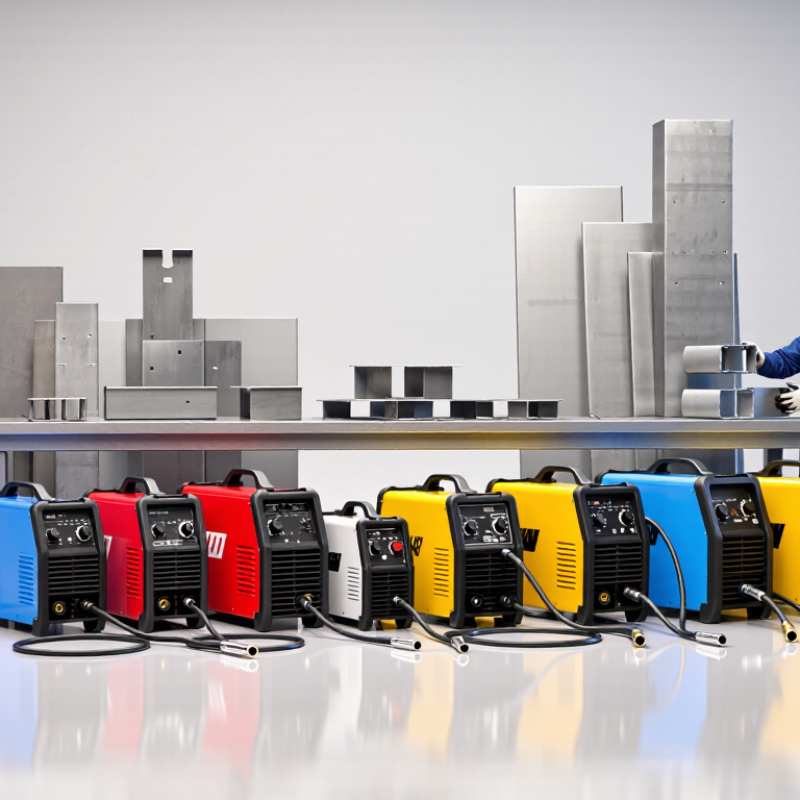
How Plasma Cutters Work and What Determines Cutting Performance
A plasma cutter turns electrical energy into a focused cutting arc. Inside the torch, compressed gas passes through a narrow nozzle. The arc heats that gas until it becomes plasma. Plasma can exceed 20,000°C. It melts metal and blows molten material through the kerf. The work clamp completes the circuit. Without a clean connection, the arc may stutter or fail. That small detail is often overlooked.
Cutting performance depends on amperage, gas pressure, travel speed, and material thickness. Higher amperage usually cuts thicker steel, but it can widen the kerf and increase dross. Excessive pressure may stretch the arc and reduce energy at the plate. Too little pressure causes unstable flow. I watch the arc trail slightly behind the torch movement. That angle helps reveal a suitable speed. A straight, quiet arc is a good sign. Not always.
Nozzle condition matters. A worn orifice can produce a crooked arc and rough edges. Moisture in air lines also reduces consistency. Drain filters and inspect electrode wear before testing a new setting. Pierce height and torch stand-off must remain steady. Stainless steel, mild steel, and aluminum respond differently as heat spreads. I have blamed the cutter for poor results, then found a loose clamp or rushed travel. That mistake still happens. Testing on scrap metal remains useful, even when the machine seems correctly adjusted.
Key Specifications for Comparing Plasma Cutters in 2026
Comparing plasma cutters in 2026 starts with amperage, but the largest number is not always the best choice. A 40-amp unit may cut 12 mm steel effectively, while a 60-amp model offers more reserve for thicker plate. Check both rated cut capacity and severance capacity. The first supports clean production work. The second describes a rougher emergency cut.
Duty cycle matters during repeated work. A 60% duty cycle at 40 amps means six minutes of cutting within ten minutes. Lower ratings can cause thermal shutdowns. Input voltage also affects installation, portability, and performance. Some cutters accept common single-phase power, while others require a stronger circuit. Measure your workshop supply before purchasing.
Air requirements deserve close attention. Confirm pressure, flow rate, filtration, and compressor recovery time. Moisture can damage consumables and create unstable arcs. A built-in air filter helps, but it does not replace a proper separator. Look for pilot-arc starting, adjustable amperage, clear controls, and torch consumables that are easy to inspect. CNC users should check interface compatibility and arc-voltage control.
Small details matter.
In practical testing, I watch the cut edge, dross buildup, pierce speed, and cable flexibility. A machine can meet its advertised thickness yet struggle with rusty plate or long cuts. Manufacturer ratings often use ideal conditions. That is where my earlier comparisons were too optimistic. Real workshops are rarely clean, dry, or perfectly powered. Safety features, grounded work clamps, and reliable thermal protection should carry equal weight with cutting speed.
Ten Leading Plasma Cutters for Different Metalworking Needs
10 Best Plasma Cutters for Metal Cutting in 2026
Ten Leading Plasma Cutters for Different Metalworking Needs
The best plasma cutter depends on the metal, duty cycle, and available power. A compact 30–40 amp unit suits repair work, thin sheet, and occasional brackets. Its small torch feels manageable in a cramped workshop. For daily fabrication, a 60–80 amp machine offers faster cuts and better edge stability on mild steel. Check the rated duty cycle carefully. A high amperage number alone proves very little.
Grand View Research’s 2024 assessment identified automotive, construction, and general fabrication as major plasma-cutting demand areas. That trend supports choosing specialized equipment rather than one universal machine. CNC users need stable arc control, compatible height sensing, and clean pilot ignition. Manual fabricators may value portability, quick setup, and a long torch lead more. Thick plate cutting needs sufficient pierce capacity, not just a generous maximum-cut claim.
Safety remains practical, not decorative. The U.S. Bureau of Labor Statistics recorded 5,283 fatal work injuries across private and public workplaces in 2023. That figure does not isolate plasma cutting, but it reinforces disciplined workshop controls. Use rated eye protection, gloves, ventilation, and dry compressed air. Inspect the ground clamp before every job. I have seen neat-looking cuts fail because moisture entered the air line. Manufacturer tests can also reflect ideal conditions. Real steel may be painted, warped, or rusty. That is where a carefully chosen cutter sometimes disappoints.
| Rank | Anonymous Cutter Profile | Best For | Input Power | Output Range | Rated Duty Cycle | Clean-Cut Capacity | Maximum Severance | Recommended Air Supply | Approx. Weight | Useful Features |
|---|---|---|---|---|---|---|---|---|---|---|
| 1 | Profile 01 | General workshop fabrication | 120/240 V, single-phase | 20–40 A | 60% at 40 A | 12 mm / 0.47 in | 20 mm / 0.79 in | 5.0 SCFM at 65 psi | Approx. 10 kg / 22 lb | Dual-voltage input, pilot arc, CNC-compatible torch connection |
| 2 | Profile 02 | Portable repair and maintenance | 120 V, single-phase | 15–30 A | 35% at 30 A | 6 mm / 0.24 in | 10 mm / 0.39 in | 4.5 SCFM at 60 psi | Approx. 6 kg / 13 lb | Compact housing, drag cutting, thermal overload protection |
| 3 | Profile 03 | Heavy-duty steel fabrication | 240 V, single-phase | 30–60 A | 60% at 60 A | 20 mm / 0.79 in | 25 mm / 0.98 in | 6.0 SCFM at 70 psi | Approx. 15 kg / 33 lb | High-output inverter, pilot arc, post-flow cooling |
| 4 | Profile 04 | Precision sheet-metal work | 120/240 V, single-phase | 20–45 A | 50% at 45 A | 12 mm / 0.47 in | 19 mm / 0.75 in | 5.0 SCFM at 60 psi | Approx. 9 kg / 20 lb | Fine-cut consumables, adjustable air test, low-dross operation |
| 5 | Profile 05 | Automated table and CNC cutting | 240 V, single-phase | 25–65 A | 60% at 65 A | 20 mm / 0.79 in | 30 mm / 1.18 in | 6.5 SCFM at 70 psi | Approx. 18 kg / 40 lb | CNC interface, machine torch option, arc-voltage control support |
| 6 | Profile 06 | Automotive body and chassis work | 120/240 V, single-phase | 20–50 A | 60% at 50 A | 16 mm / 0.63 in | 25 mm / 0.98 in | 5.5 SCFM at 65 psi | Approx. 12 kg / 26 lb | Low-heat cutting control, pilot arc, extended torch lead |
| 7 | Profile 07 | Farm, field and outdoor repairs | 120/240 V, single-phase | 20–50 A | 40% at 50 A | 16 mm / 0.63 in | 25 mm / 0.98 in | 5.5 SCFM at 65 psi | Approx. 11 kg / 24 lb | Generator-ready input, rugged case, automatic air regulation |
| 8 | Profile 08 | Stainless-steel and aluminum cutting | 240 V, single-phase | 30–60 A | 50% at 60 A | 16 mm / 0.63 in | 25 mm / 0.98 in | 6.0 SCFM at 70 psi | Approx. 14 kg / 31 lb | Stable inverter output, non-contact pilot arc, replaceable swirl ring |
| 9 | Profile 09 | Thick plate and structural steel | 240 V, single-phase | 40–80 A | 60% at 80 A | 25 mm / 0.98 in | 32 mm / 1.26 in | 7.0 SCFM at 75 psi | Approx. 22 kg / 49 lb | High-amperage output, continuous-duty cooling, torch safety trigger |
| 10 | Profile 10 | Budget-conscious home workshops | 120/240 V, single-phase | 15–40 A | 35% at 40 A | 10 mm / 0.39 in | 16 mm / 0.63 in | 4.5 SCFM at 60 psi | Approx. 8 kg / 18 lb | Digital amperage display, drag cutting, over-temperature indicator |
Safety, Consumables, and Maintenance Essentials
Safety determines whether a plasma cutter remains useful after the first few projects. OSHA identifies 85 dBA as the action level for occupational noise exposure, so hearing protection matters during extended cutting. Plasma arcs also produce intense ultraviolet radiation, sparks, and metal fumes. Use a suitable face shield, flame-resistant clothing, gloves, and local exhaust ventilation. Keep the work area dry and remove combustible materials before striking the arc.
Consumables need inspection, not guesswork. A worn electrode can cause unstable arcs, wider kerfs, and unnecessary air use. Replace damaged nozzles when the opening becomes visibly distorted. Check compressed air for moisture because water can shorten consumable life and stain the cut edge. OSHA’s respiratory protection guidance emphasizes proper selection, fit testing, and training when ventilation cannot control airborne hazards. That detail is often ignored. I have seen operators focus on cutting speed while overlooking a clogged filter.
Tips: Check the ground connection before every cut. Drain the air filter daily in humid workshops. Store electrodes and nozzles in a clean, dry container. Follow the cutter’s duty cycle instead of forcing continuous operation. NFPA 70E guidance also supports inspecting electrical equipment and controlling unexpected energization during maintenance. Never service a connected machine. I admit that rushing maintenance can feel efficient, but it usually creates a rougher cut and a more expensive repair.
How to Choose the Right Plasma Cutter for Your Workshop
Choosing a plasma cutter for your workshop starts with the metal you cut most often. Measure its real thickness, not the occasional maximum listed by manufacturers. A machine rated for 40 millimeters may struggle with rusty steel at that depth. For clean daily work, choose a cutter with extra capacity. It will run cooler and produce steadier edges.
Power supply matters. Check whether your workshop provides 120-volt or 240-volt service. Higher amperage usually demands stronger electrical support. Also examine the duty cycle, which shows how long the cutter can operate before cooling. A 60% duty cycle at 40 amps is more useful than a higher headline amperage with limited runtime. Air quality matters too. Use a dry, filtered compressor and check its airflow rating. Moisture can damage consumables and distort the cut.
Control and handling affect accuracy. Look for adjustable amperage, a stable pilot arc, clear controls, and a torch that feels balanced in your hand. Leave room for replacement electrodes and nozzles in your budget. I once chose a compact model for convenience, then found its short cable awkward around a large table. That mistake changed my buying checklist. Test the cutter on scrap steel before production work. Watch the arc, listen for uneven airflow, and inspect the underside for excessive dross. Protective clothing, eye protection, ventilation, and proper grounding remain essential in every workshop.
Related Posts
-
Mastering the Art of Plasma Cutting with the Best Plasma Cutter Guide
-
How to Choose the Best CNC Plasma Cutting Table for Your Needs?
-

What is a Plasma CNC Machine and How Does It Work?
-

Top Plasma Table Kit Options for Global Buyers in 2026?
-
How to Choose the Best Small Plasma Table for Your Business?
-
Ultimate Guide to Choosing the Best Plasma Torch for Your Welding Needs