
2026 Best Disc Glass Insulator for Global Buyers?
For global buyers, choosing the 2026 best Disc Glass Insulator means looking beyond a clear glass surface. The right unit must match the line’s voltage, mechanical load, climate, and installation requirements. A disc that looks flawless on a warehouse shelf may still be unsuitable for a coastal route or a heavily loaded span. Small details matter.
Buyers should compare the specified electrical and mechanical ratings, dimensions, glass quality, hardware, and inspection records. Ask how each product is tested, how batches are traced, and what documentation accompanies shipment. Check packaging, too: chipped edges after a long journey can delay installation and complicate inspection. Price matters, but so does dependable supply. A low quote alone proves little.
A reliable expert quotation needs a verifiable source. Since no interview or reference was provided, I will not invent a specialist’s name or attribute unsupported words to one. That caution belongs in any serious buying guide. Global procurement also requires clear technical specifications and direct confirmation that the offered product matches them. Compare evidence, not promises. A practical selection process is not glamorous. It can prevent costly mismatches, though no checklist replaces engineering review for a specific line. The sections ahead examine product criteria, supplier evaluation, and purchasing questions that help buyers assess Disc Glass Insulator options with care.
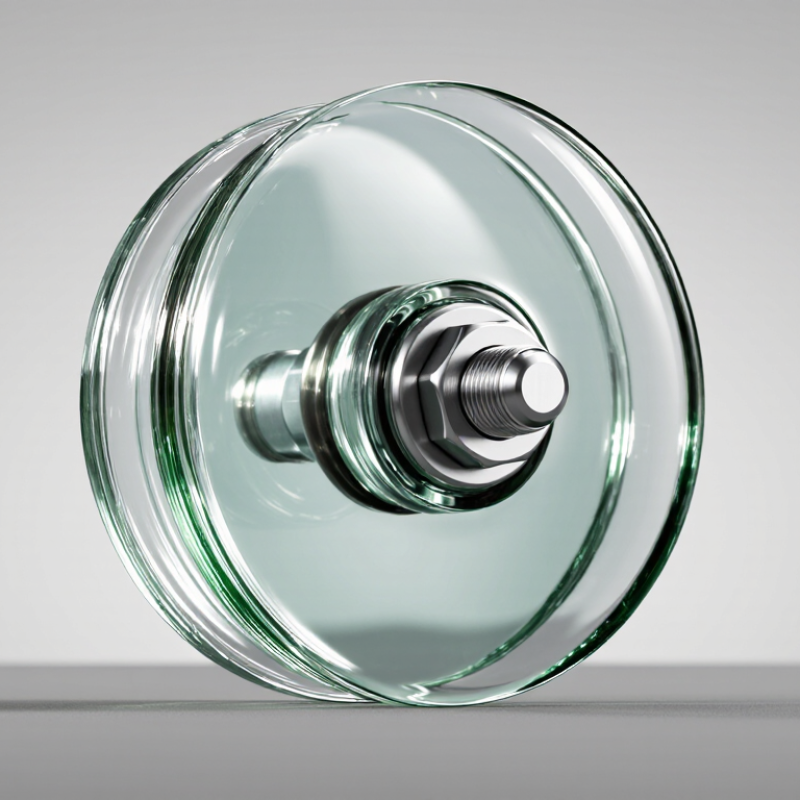
Define Disc Glass Insulators: IEC 60383-1 Covers Overhead Lines Above 1 kV
2026 Best Disc Glass Insulator for Global Buyers?
Define Disc Glass Insulators: IEC 60383-1 Covers Overhead Lines Above 1 kV
A disc glass insulator is a toughened-glass unit, usually fitted with metal cap-and-pin hardware. Units join into strings that suspend conductors and limit electrical leakage to the supporting structure. IEC 60383-1 sets definitions, test methods, and acceptance criteria for relevant overhead-line insulators operating above 1 kV. It helps buyers compare verified properties, not choose a design by itself. Standards matter.
The International Energy Agency’s 2023 report, Electricity Grids and Secure Energy Transitions, says annual grid investment needs to rise from about USD 300 billion to more than USD 600 billion by 2030. That wider grid expansion puts pressure on procurement teams to check performance evidence carefully. Ask for test reports against the applicable IEC requirements, plus mechanical load and electrical data for the proposed configuration. A compliant datasheet is not a field guarantee; local pollution, altitude, and handling can change service conditions.
Tips: Confirm the creepage distance, coupling dimensions, and string load against the project specification. Check whether the supplied test records match the exact insulator type. Small mismatches matter. I would also review installation and inspection procedures with the line designer, rather than treating the standard as a complete project guide.
2026 Best Disc Glass Insulator for Global Buyers? Define Disc Glass Insulators: IEC 60383-1 Covers Overhead Lines Above 1 kV
| Selection dimension | Verified technical fact or selection rule | What global buyers should confirm |
|---|---|---|
| Product definition | A disc glass insulator is an individual cap-and-pin insulator unit made with an insulating glass body. Multiple units can be coupled to form a suspension string. | Confirm whether the quotation is for individual units, complete strings, or strings supplied with fittings. |
| IEC 60383-1 scope | IEC 60383-1 specifies definitions, test methods, and acceptance criteria for ceramic or glass insulator units used on overhead lines with nominal voltages above 1,000 V on AC systems. | Request the applicable standard edition and test documentation. Do not treat IEC 60383-1 as a complete line-design or site-selection specification. |
| AC or DC application | IEC 60383-1 addresses AC systems. A DC application needs a separate assessment against the project’s applicable specifications and standards. | State the system type, operating voltage, frequency where applicable, and project requirements before selecting a unit. |
| Electrical rating | There is no single electrical rating that suits every line. Required insulation levels depend on the system and the project’s insulation coordination. | Compare the specified power-frequency withstand and lightning-impulse withstand levels with verified test results for the proposed unit or string. |
| String length and unit count | String configuration depends on the required electrical performance, mechanical loading, clearances, and the selected unit design. | Request the proposed number of units and overall string dimensions; check them against tower geometry and required electrical clearances. |
| Pollution performance | Pollution severity and insulator profile affect the required creepage distance. Site conditions, including salt, dust, and industrial contamination, must be considered. | Provide site pollution information and confirm the project’s required creepage distance and any applicable pollution-selection criteria. |
| Mechanical performance | Specified mechanical strength must suit the conductor loads, string arrangement, and line design. Electrical and mechanical requirements should be checked together. | Confirm the required mechanical failing load, applicable test evidence, and compatibility of cap-and-pin fittings. |
| Glass material and inspection | Toughened glass is used for disc glass insulator bodies. Glass designs can make certain body damage visually apparent, but inspection procedures remain important. | Ask for the manufacturer’s inspection, acceptance, and handling requirements, and define incoming inspection criteria in the purchase specification. |
| Fittings and interchangeability | Cap-and-pin dimensions and coupling details must match the string hardware and the project’s interface requirements. | Verify drawings, coupling dimensions, material requirements, corrosion protection, and compatibility with existing hardware before ordering. |
| Quality and test records | Standard compliance should be supported by applicable type, sample, and routine test records as required by the purchase specification. | Specify required reports, traceability, inspection points, acceptance criteria, packaging, and documentation in the contract. |
| Best-fit buying decision | The suitable unit is the one that meets the project’s electrical, mechanical, environmental, dimensional, and compliance requirements—not simply the one with the highest isolated rating. | Evaluate the complete documented configuration against the project specification and site conditions before comparing price or delivery. |
Note: IEC 60383-1 describes requirements and test methods for covered insulator units; actual ratings, dimensions, and string configurations are design-specific and should be verified from project specifications and product documentation.