
Skip to content
Menu

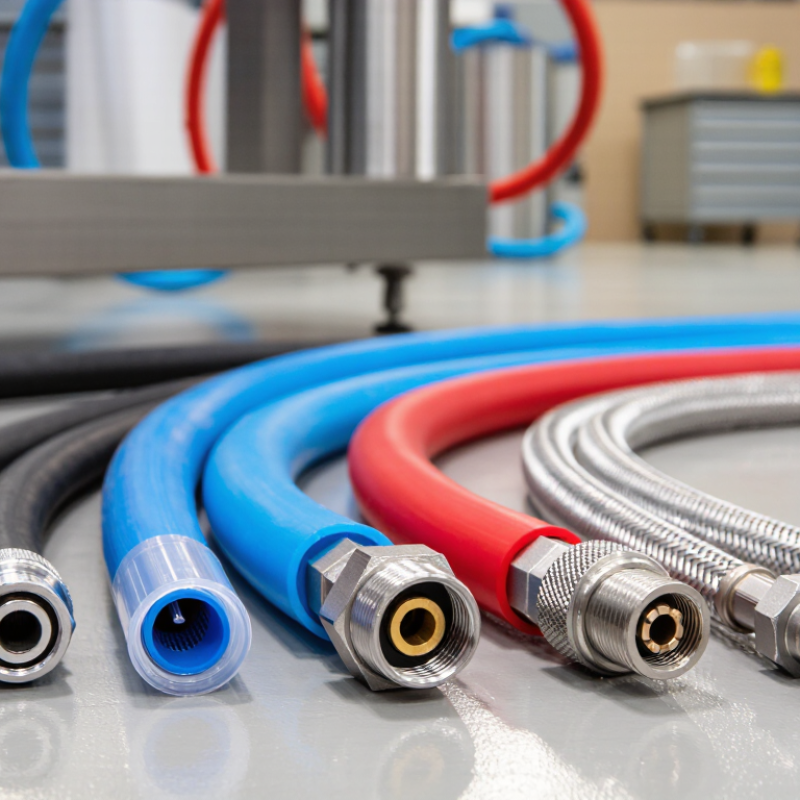
2026 Top Connector Hose Pipe Types for Global Buyers

For global buyers in 2026, selecting a Connector Hose Pipe means matching the hose to its actual working conditions, not simply choosing a familiar size. Water, air, fuel, chemicals, and high-temperature fluids can require different hose materials and connection designs. A mismatch may cause leaks, premature wear, or difficult installation. Small details matter. Inner diameter, working pressure, temperature range, flexibility, and fitting compatibility all deserve attention before an order is placed.

This guide introduces common connector hose pipe types, including rubber, PVC, silicone, and reinforced options, and explains where each may be suitable. It also considers end connections, such as threaded, barbed, and quick-connect fittings, because a sound hose can still fail to seal when the connection is wrong. Fit comes first. Buyers should review manufacturer specifications and request test or material documentation when the application demands it. Product names alone do not confirm performance, and specifications can vary between suppliers. That point is easy to overlook.

Global sourcing adds practical questions: available lengths, replacement parts, packaging, and clear communication about operating conditions. A low purchase price may not reflect service life or installation costs. Nor does a premium label guarantee the right choice. This overview offers a careful starting point, not a substitute for engineering review in critical systems. Some comparisons will remain imperfect because product ranges and test methods differ. The most reliable decision begins with the system’s requirements, then checks each candidate against them.
2026 Top Connector Hose Pipe Types for Global Buyers

What Connector Hose Pipes Are and How They Work

2026 Top Connector Hose Pipe Types for Global Buyers
What Connector Hose Pipes Are and How They Work

Connector hose pipes are flexible fluid pathways that join equipment, valves, and fixed pipework. A typical assembly has an inner tube, reinforcement layers, an outer cover, and end fittings. The tube carries fluid; braided wire or textile reinforcement helps resist pressure and bending. Fittings seal the connection through threads, flanges, or quick couplings. Small details matter. A fitting that looks compatible may still have a different thread pitch or sealing face.

During operation, pressure pushes fluid through the bore, while the hose flexes to absorb vibration and movement. Correct routing helps prevent sharp bends, twisting, abrasion, and strain near fittings. The U.S. Department of Energy’s Improving Pumping System Performance: A Sourcebook for Industry reports that pumping systems account for nearly 20% of global electricity demand. That figure concerns whole pumping systems, not hoses alone, but it shows why avoidable pressure loss deserves attention. Buyers should check working pressure, temperature range, fluid compatibility, impulse duty, and connection dimensions against actual service conditions. A pressure rating by itself is not enough. Installation errors can shorten service life, and inspection intervals may need adjustment when operating conditions change.

Core Components, Materials, and Connection Standards

A hose assembly is more than a length of flexible tube. Its core components include an inner tube, reinforcement, outer cover, end fittings, and sealing elements. The tube carries the fluid; textile or steel reinforcement helps manage pressure and movement. The cover protects against abrasion, oil, weather, or heat, depending on its compound. Small details matter. A fitting’s ferrule and seal can affect leakage just as much as the hose itself.

Material selection should match the fluid, temperature, pressure, and cleaning conditions. NBR is often chosen for oil resistance, while EPDM suits many water and weather exposure needs. PTFE can handle a broad range of chemicals, but its assembly still needs suitable reinforcement and fittings. Stainless steel fittings resist corrosion in many environments; carbon steel may be practical where exposure is controlled. Compatibility charts help, but real operating conditions can be messier than a chart suggests.

Connection standards are easy to confuse. BSP, NPT, and metric threads differ in profile and sealing approach; similar-looking threads may not mate safely. JIC flare and SAE flange connections seal through different interfaces. Confirm thread form, size, sealing face, and pressure rating before ordering. Check the complete assembly rating, not only the hose rating, and verify bend radius and temperature limits. A sample fit can reveal a mismatch early. It is an imperfect check, but a useful one.

Major Connector Hose Pipe Types by Design and Function

Connector hose pipes are often grouped by shape and by the job they perform. Straight couplings join two hose sections along one axis, making them useful for extensions or repairs. Elbow connectors redirect flow around a machine frame or a tight cabinet corner. Space can be limited. Reducers connect hoses with different diameters, but the size change may affect flow and pressure.

Function matters as much as geometry. Barbed connectors grip flexible hose when secured with a correctly sized clamp. Threaded fittings suit assemblies that need a firm, serviceable connection, while swivel designs can reduce twisting during installation. Quick-connect couplings help with frequent changes, though their seals and locking parts need regular inspection. For abrasive or hot fluids, material compatibility should be checked against the actual operating conditions, not just a product description.

A neat chart can still mislead. I would not select a connector by shape alone: confirm hose inner diameter, pressure rating, temperature range, fluid compatibility, and the mating-end standard. Allow room for bends, too; a hose forced against a sharp edge can wear sooner. Small details matter. Manufacturer specifications are useful, but field measurements may reveal fit problems that a drawing misses.

2026 Top Connector Hose Pipe Types for Global Buyers — Major Types by Design and Function

Indicative temperature ranges for common hose constructions. Actual limits depend on the hose material, fittings, pressure, and service conditions; always check the product specification.

Corrugated stainless steel hoses are designed for high-temperature or demanding environments, while PTFE, rubber, and thermoplastic hoses suit different combinations of chemical compatibility, flexibility, and general-purpose service.

How Applications and Operating Conditions Shape Hose Selection

A connector hose is not chosen by diameter alone. Start with the medium, working pressure, temperature range, and connection geometry. A line carrying hot wash water faces different demands from one supplying compressed air. Check for pressure spikes during pump starts, too. They can exceed steady readings.

The U.S. Department of Energy’s Improving Compressed Air System Performance sourcebook estimates that leaks can waste 20–30% of compressor output in poorly maintained systems. That figure describes system leakage, not hose losses alone. Still, it shows why coupling fit, hose condition, and inspection intervals matter. A hose that kinks behind a machine may look intact while restricting flow. Small details count.

For hydraulic service, match the hose’s pressure rating to both normal operation and expected surges, then verify that fittings suit the assembly and fluid. For outdoor use, consider abrasion, sunlight, and repeated bending near connectors. Temperature ratings also need context: fluid temperature and ambient heat may differ. ISO 7751 provides test methods for hose and assembly pressure ratios, but a standard cannot replace application-specific checks. Field conditions are messy. Selection can still involve judgment; record the assumptions and revisit them after installation.

What Global Buyers Should Check for Compatibility and Safety

Connector hose pipes can look alike on a parts shelf, yet their materials and end fittings determine whether they are suitable. A braided stainless-steel hose may resist external abrasion, while EPDM or silicone liners suit different fluids and temperatures. Corrugated metal handles movement well, but its ridges can trap residue in some applications. Check the full assembly.

Match working pressure and temperature to real operating peaks, not just normal readings. Include pressure surges, vacuum exposure, cleaning cycles, and vibration. Use a current compatibility chart from the hose or fitting supplier. Broad labels such as “oil” can hide important additives. Labels can mislead. Compare inner diameter, bend radius, thread form, and sealing face. A fitting that almost matches can still leak.

Before purchase, request pressure-test records, traceable material details, and installation guidance for the exact configuration. Inspect samples for cuts, exposed reinforcement, flattened bends, or loose crimps. Replace damaged assemblies; a quick visual check alone may miss internal wear. Compatibility is not always tidy: a hose may pass a bench test yet fail after repeated heat and flexing. Ask how the assembly was tested, and record the inspection date.

2026 Top Connector Hose Pipe Types for Global Buyers - What Global Buyers Should Check for Compatibility and Safety

Selection guide: suitability depends on the exact hose assembly, connector, fluid, operating conditions and applicable regulations. Treat the details below as general guidance, not as a substitute for the manufacturer's specifications or a pressure rating.

Hose Type Common Applications Typical Connector Options Compatibility Checks Safety Checks Before Purchase
Hydraulic rubber hose
Often wire-reinforced; construction varies by service.
Hydraulic oil circuits in machinery, mobile equipment and industrial systems. Crimped hose ends with threaded or flange connections; examples include JIC 37° flare, ORFS, BSP and metric connections. Match the hose's stated fluid compatibility, working pressure, temperature range, inside diameter and bend radius. Confirm the connector thread and sealing face; similar-looking threads may not seal together. Check the complete hose assembly rating, not just the hose or fitting separately. Follow the applicable hose specification, such as the relevant SAE J517 or EN 853 series where applicable. Depressurize before servicing and do not exceed the rated limits.
Pneumatic hose
Commonly made from polyurethane, nylon or reinforced rubber.
Compressed-air tools, automation, pneumatic controls and air lines. Push-to-connect fittings, barbed fittings with clamps, and threaded adapters. Check the hose material against air, lubricant and any other conveyed medium. Confirm tubing outside diameter for push-to-connect fittings, and confirm thread type and seal method for adapters. Use only hose and fittings rated for the system pressure and temperature. Secure connections, inspect for wear or kinks, and use components specifically rated for compressed gas; do not assume a liquid-transfer hose is suitable for air.
PTFE (polytetrafluoroethylene) hose
May have a smooth or convoluted bore, with or without reinforcement.
Chemical transfer, analytical equipment and selected high-temperature or high-purity processes. Flared PTFE ends, compression-style fittings designed for the hose, or metal end fittings supplied as an assembly. PTFE resists many chemicals, but compatibility is not universal. Check the specific chemical, concentration, temperature, permeation requirements and fitting design. Verify whether the hose is conductive or non-conductive if static control matters. Use the manufacturer's assembly instructions and minimum bend radius. Confirm the pressure rating at the intended temperature and for the selected end connections; do not treat the base polymer's temperature capability as the rating of the complete assembly.
Silicone hose
Flexible hose available in different grades and reinforcement levels.
Selected food, beverage, medical, laboratory and low-pressure industrial applications. Sanitary clamp connections, barbed ends with suitable clamps, or purpose-designed compression fittings. Confirm that the exact grade is suitable for the fluid and intended contact. For regulated use, check the required food-contact or other compliance documentation; “silicone” alone does not establish certification. Check working pressure, temperature, vacuum suitability and reinforcement. Do not assume an unreinforced silicone tube is suitable for pressure service, and replace assemblies showing cracking, swelling or other deterioration.
EPDM rubber hose
Often selected for water-based service.
Water, some hot-water or steam services, and selected coolant or chemical applications when specifically rated. Barbed ends with clamps, threaded adapters, or flanged connections in larger systems. Check the exact compound against the fluid. EPDM is generally not suitable for petroleum oils and fuels; verify compatibility rather than relying on the generic material name. For steam or hot-water duty, use a hose expressly rated for that service and its pressure-temperature conditions. Check connection retention, temperature limits and inspection intervals.
PVC hose
Available as clear, reinforced or spiral-reinforced hose.
Water transfer, drainage, general-purpose fluid handling and some low-pressure industrial uses. Barbed fittings with clamps, hose-tail fittings, or connectors designed for the hose's wall and reinforcement. Check the PVC formulation against the fluid, temperature and exposure conditions. Verify whether the hose is intended for suction, pressure or both; clear appearance does not indicate chemical or pressure suitability. Use only within the stated pressure and temperature limits. Do not use ordinary PVC hose for compressed gas unless the specific product is expressly rated for that service.
Corrugated stainless-steel hose
May include an outer braid; alloy and construction vary.
Selected high-temperature, corrosive or vibration-isolation connections in industrial systems. Welded, flanged, threaded or other end fittings supplied or specified for the assembly. Confirm the hose alloy, braid, end-fitting material and fluid compatibility. Account for pressure, temperature, movement, vibration and the installation geometry; the braid does not make every assembly suitable for every application. Use the specified assembly length and bend radius. Check pressure and temperature ratings for the complete assembly, support it as required, and avoid twisting or using it as a substitute for an unsupported expansion joint.
Refrigerant hose
Purpose-designed hose or tubing for a specified refrigeration system.
Air-conditioning, refrigeration and heat-pump service connections. Refrigerant-specific flare, threaded or quick-connect fittings, depending on the system and service equipment. Verify compatibility with the exact refrigerant, lubricant, operating pressure and connection standard. Confirm that sealing materials are suitable for the refrigerant and oil combination. Use hose and fittings rated for the system's pressure and refrigerant. Prevent contamination and moisture ingress, follow local refrigerant-handling rules, and never substitute a general-purpose hose.

Connector compatibility reminder: Identify thread standard, thread size, pitch, gender, sealing method and mating-seat geometry before ordering. NPT and BSPT are tapered-thread families; BSPP is parallel and commonly seals with a washer or O-ring; JIC uses a 37° flare; ORFS seals at an O-ring face. These connection types are not interchangeable just because their threads appear similar. Confirm measurements and specifications with the equipment manufacturer.