
2026 Top Quick Connect Coupler Types for Global Buyers
A Quick Connect Coupler can speed up equipment changes and reduce fluid loss during routine connection work. But choosing one by name alone is rarely enough. Hydraulic flat-face couplers, poppet-style couplers, pneumatic push-to-connect fittings, and threaded designs serve different needs. Their sealing methods, flow capacity, operating pressure, and resistance to dirt can vary considerably. A coupler that works well on a clean workshop air line may not suit a vibrating hydraulic circuit. Small details matter.
This guide introduces common Quick Connect Coupler types for global buyers in 2026 and explains where each design may fit. It also highlights practical checks: matching the fluid and connection size, confirming pressure and temperature ratings, and reviewing seal materials for the intended application. Buyers should verify dimensional compatibility rather than assume that similar-looking parts will connect safely. Supplier documentation, sample testing, and clear traceability can help prevent costly mismatch. Yet specifications do not tell the whole story; installation space and service habits matter too. It is easy to overfocus on price. That can be a mistake. The best choice balances performance, maintenance needs, availability, and the equipment’s actual working conditions. This comparison offers a starting point, not a substitute for checking the manufacturer’s current data.
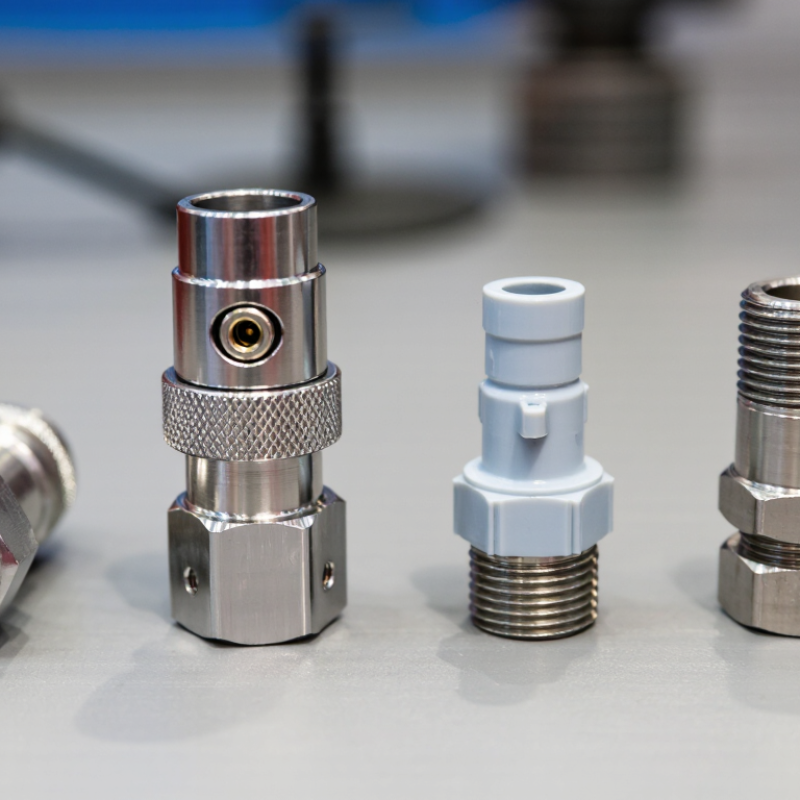
Quick Couplers Defined: ISO 7241 Specifies Series A and B Dimensions
ISO 7241-1:2014 defines two quick-coupler dimensional families: Series A and Series B. Its dimensional tables classify mating interfaces by nominal size, giving buyers a measurable basis for checking plug-and-socket fit. That specification does not mean every coupler with the same nominal size will connect. Confirm the series, interface dimensions, pressure rating, and seal material before ordering. Small details matter.
On a workbench, a caliper can help compare external dimensions, but it cannot verify internal valve geometry or operating performance. ISO 7241-2:2000 sets out test methods for evaluating quick-action couplings. Together, the two ISO documents distinguish dimensional compatibility from tested performance. Buyers should also check the supplier’s drawings and pressure-drop data for the intended fluid and operating conditions.
A common sourcing error is treating Series A and B as interchangeable because their bodies look similar. They are separate dimensional series. A mismatch can prevent connection or create leakage under pressure. Still, a standards table cannot answer every field question: wear, contamination, and seal condition affect real-world performance. Record the series and nominal size on purchasing documents, then verify samples before approving a large order.
2026 Top Quick Connect Coupler Types for Global Buyers - Quick Couplers Defined: ISO 7241 Specifies Series A and B Dimensions
| Coupler type | Applicable standard | What the standard covers | Dimensional and connection details | Typical use and selection notes |
|---|---|---|---|---|
| Series A hydraulic quick coupler | ISO 7241-1; test methods are addressed in ISO 7241-2 | Series-specific dimensions and requirements intended to support interchangeability between conforming coupler halves. | Interface dimensions depend on the nominal size and series. Match Series A with Series A at the same nominal size; Series A and Series B are not interchangeable by default. | Used in hydraulic fluid-power connections. Verify working pressure, fluid compatibility, seal material, and connection thread separately. |
| Series B hydraulic quick coupler | ISO 7241-1; test methods are addressed in ISO 7241-2 | A separate standardized interface series, with dimensions specified independently from Series A. | Use the Series B dimensions for the selected nominal size. A matching size designation alone does not make a Series B half compatible with a Series A half. | Used for hydraulic line connections. Confirm the series marking and the full operating specifications before replacing or pairing couplers. |
| Flat-face hydraulic coupler | ISO 16028 for applicable flat-face couplings | Dimensions and requirements for the standardized flat-face coupling interface; it is not an ISO 7241 Series A or B interface. | Check the ISO 16028 size and interface. Do not assume compatibility with ISO 7241 couplers, even when nominal sizes appear similar. | The flat mating faces are designed to help limit fluid loss and contamination during connection and disconnection. Suitability depends on the specific application and rating. |
| Screw-to-connect hydraulic coupler | ISO 14541 for applicable screw-to-connect couplings | Dimensions and requirements for the screw-to-connect coupling type covered by the standard. | Check the specified interface and nominal size against ISO 14541. The threaded connection method does not make it interchangeable with ISO 7241 Series A or B. | Consider when the application calls for a threaded coupling connection. Confirm connection procedure, pressure rating, and service conditions in the product documentation. |
| Application-specific or non-standard coupler | No assumed ISO 7241, ISO 16028, or ISO 14541 conformity | Dimensions and performance requirements are determined by the applicable design specification rather than by one of the listed interfaces. | Obtain a dimensional drawing and verify mating geometry, sealing surfaces, connection method, and tolerances before pairing. | Use only where the mating halves and service requirements have been positively verified; physical fit alone does not establish safe interchangeability. |
Note: ISO 7241 specifies dimensions and requirements for Series A and Series B couplings in its scope. Exact dimensions vary by series and nominal size. Confirm the applicable standard edition, pressure rating, fluid, temperature range, seal material, and end connection before selection.