What Are the 2026 Top Double Micro Switch Types?
Selecting the right Double Micro Switch in 2026 requires more than comparing prices or terminal counts. Performance depends on contact arrangement, actuator style, switching load, enclosure design, and expected operating life. A compact switch may look ideal on a specification sheet, yet fail early under vibration, dust, or repeated side pressure.
This guide examines the leading Double Micro Switch types expected to attract attention in 2026. It considers double-pole, double-throw designs, dual-circuit snap-action switches, roller-lever models, sealed versions, and momentary configurations. Each type suits a different physical and electrical situation. Some favor rapid signal control. Others offer better protection in damp equipment or industrial panels. The details matter.
Charles Platt, author of Encyclopedia of Electronic Components, has written, “A switch is a mechanical device, and mechanical devices have tolerances.” That warning remains useful. Ratings are not promises under every condition. Installation quality, actuator alignment, and load behavior can change actual service life. I may be too quick to call one design “top” without seeing the complete application.
The comparisons ahead focus on practical evidence. They include switching force, travel distance, electrical rating, contact stability, mounting space, and environmental resistance. They also ask a less comfortable question: is a more complex Double Micro Switch genuinely necessary? Sometimes, the simplest snap-action structure performs best. Sometimes, it does not. Careful selection should connect the switch to the machine, not merely to a popular catalog category.
What Are Double Micro Switches and How Do They Work?
What Are the 2026 Top Double Micro Switch Types?
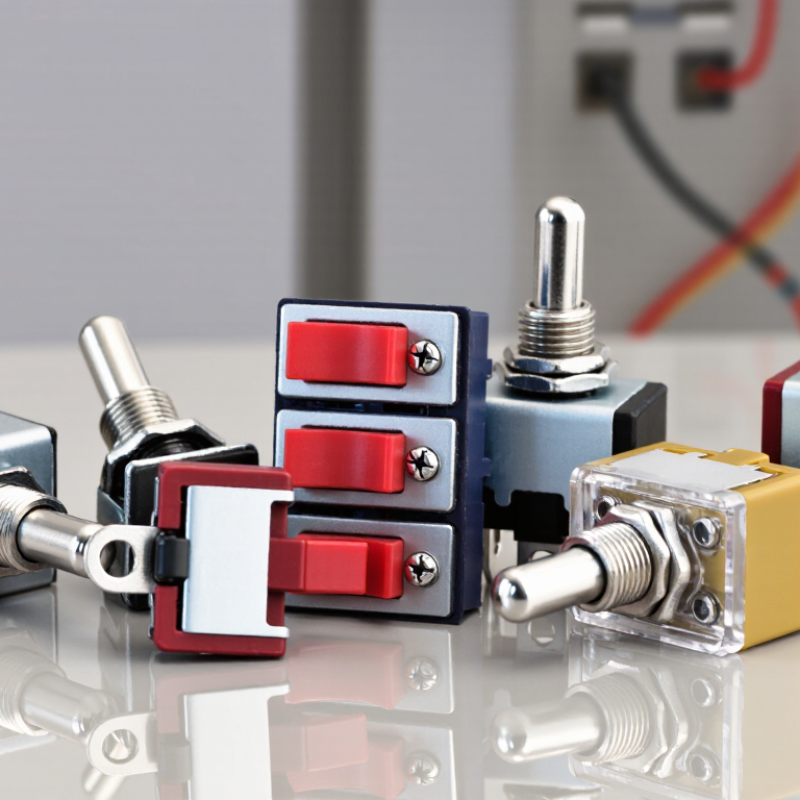
A double micro switch is a compact snap-action device that controls two electrical circuits from one mechanical movement. The word “double” can describe two linked switch sections, two contact sets, or a double-pole configuration. These designs may provide normally open, normally closed, or changeover contacts.
Inside, a spring-loaded actuator moves a common contact across fixed terminals. As the actuator reaches a trigger point, the internal spring snaps the contact quickly. This action reduces slow arcing and helps create a repeatable switching response. In a dual switch, one actuator usually moves both contact groups together. Perfect simultaneity is not guaranteed, though. Small manufacturing tolerances can create a slight timing difference.
Common 2026 types include dual single-pole changeover switches, double-pole changeover switches, sealed models, and roller-lever versions. A roller lever suits sliding doors or cam-driven equipment. A sealed housing works better near dust, moisture, or oil, provided its rated protection level matches the environment. Electrical ratings, contact material, operating force, travel, and mechanical life deserve careful checking. A switch that fits physically may still fail under motor inrush current. That mistake is easy to make. Engineers often test both circuits under real load, because laboratory conditions can hide vibration, heat, and contact bounce. A clear wiring diagram also prevents confusing common, normally open, and normally closed terminals.
What Are the 2026 Top Double Micro Switch Types?
A double micro switch generally refers to a DPDT snap-action switch: two mechanically linked changeover circuits, each with a common, normally open, and normally closed contact. The actuator style determines how the switch responds to movement, alignment, vibration, and available space.
The chart compares representative operating-force and actuator-travel ranges commonly available for DPDT microswitch designs. Plunger types are compact and direct, hinge and roller levers require less actuation force, and leaf or long-lever designs provide greater movement tolerance. Actual specifications depend on the switch construction, contact rating, enclosure, and actuator geometry.
What Are the Main Types of Double Micro Switches?
What Are the Main Types of Double Micro Switches?
“Double micro switch” is not a fully standardized technical term. In practice, it usually describes switches handling two circuits or two contact paths.
The main electrical types are DPST, DPDT, and double-break designs. A DPST switch controls two circuits together, such as paired power lines. A DPDT switch provides two changeover circuits, useful for reversing motors or selecting operating modes. A double-break switch opens the circuit at two points, improving isolation and reducing contact stress.
DPST DPST suits simple on-and-off control.
DPDT DPDT offers greater routing flexibility.
Double-break versions Double-break versions may support demanding industrial loads, but their ratings still depend on voltage, current, and switching frequency.
Do not confuse these types with actuator styles. Plunger, roller, hinge-lever, and sealed versions describe physical operation or environmental protection.
Market data supports this broad application range. Grand View Research’s 2024 microswitch analysis identifies automotive, consumer electronics, and industrial controls as major demand areas. A 2024 assessment from Mordor Intelligence also forecasts steady global microswitch growth at roughly 6% annually through the decade.
That growth does not make every double switch suitable for every machine.
A dusty conveyor needs different protection from a compact control panel.
In field testing, contact bounce and actuator alignment are often underestimated. The label alone is insufficient.
Check the wiring diagram, rated load, travel, and endurance data before selection.
How Do Double Micro Switch Types Compare Across Applications?
In 2026, leading double micro switch types include dual-circuit snap-action, double-throw, roller-lever, plunger, and sealed designs. Each serves a different operating environment. A dual-circuit model can control two signals from one mechanical movement. It suits safety interlocks, appliance controls, and compact automation panels. A double-throw version changes between two circuits, making it useful for mode selection or position detection.
Roller-lever types perform well where a moving cam approaches from the side. The roller reduces friction and handles repeated contact more smoothly. Plunger types respond to direct pressure, so they fit door sensors, small machines, and limit-position controls. Sealed switches are better around dust, moisture, or cleaning spray. They may last longer in harsh equipment, but their actuation force and travel must match the mechanism.
Application priorities can conflict. A factory machine may need high cycle life and a firm snap action. A medical or measurement device may require a lighter touch and stable electrical performance. A small appliance often favors low cost and simple installation. Technical teams should check current rating, contact arrangement, travel distance, terminal style, and environmental protection together. One overlooked detail can cause early failure. It happens.
Field technicians commonly inspect lever alignment before blaming the switch. Uneven pressure can bend the actuator or create unreliable switching. I would not select a type from the product name alone. Real performance depends on load, motion speed, wiring, and maintenance conditions. Testing a sample under actual operating forces remains the more dependable approach.
How Should You Choose a Double Micro Switch for Your Needs?
What Are the 2026 Top Double Micro Switch Types?
How Should You Choose a Double Micro Switch for Your Needs?
A double micro switch usually controls two circuits through one mechanical action. Common types include sealed roller-lever, plunger, hinge-lever, and high-temperature snap-action designs. Each suits a different working scene. A roller lever fits moving doors and cams. A plunger works better where space is limited. A sealed body protects contacts from dust and moisture.
Choose from the application, not the catalog photo. Check voltage, current, contact arrangement, operating force, travel, and electrical life. A resistive load rating may not match a motor or solenoid load. That detail causes frequent field failures. Small details matter.
Industry demand supports careful selection. The Research and Markets Micro Switches Global Market Report 2025 identifies automotive, appliances, and industrial controls as major application areas. MarketsandMarkets also projects the broader switches market to grow from about 31.6 billion dollars in 2022 to 42.2 billion dollars by 2027, a 6.0% compound annual growth rate. These figures suggest rising demand, but they do not guarantee equal quality across products.
For dusty equipment, choose sealing supported by test evidence. For frequent cycling, compare rated electrical life under your actual load. IEC 61058-1 and relevant product safety requirements can guide verification. I would also test terminal heating after repeated switching. Laboratory ratings can mislead. Real vibration, wiring errors, and installation pressure still matter. A slightly higher actuation force may prevent accidental switching, though it can reduce user comfort. That trade-off deserves a practical trial.
