What is the Aeration Process in Wastewater Treatment?
The "Aeration Process In Wastewater Treatment" plays a crucial role in ensuring clean water for communities. Dr. Emily Roberts, an expert in wastewater management, states, "Aeration is key to enhancing the biological treatment of wastewater." This process facilitates the introduction of air into wastewater, promoting the growth of microorganisms that decompose organic pollutants.
Aeration comes in various forms, including surface aerators and diffused air systems. Each method aims to optimize oxygen transfer, which is essential for microbial activity. Yet, despite technological advances, many facilities struggle with efficiency. This reflects the complexities involved in balancing oxygen levels, energy consumption, and treatment effectiveness.
While aeration technology is effective, the process isn't without its challenges. Factors like varying wastewater composition and environmental conditions can hinder performance. As wastewater treatment evolves, the need for continual assessment and adaptation becomes vital. The "Aeration Process in Wastewater Treatment" remains a dynamic and essential topic within the field, demanding ongoing research and innovation.
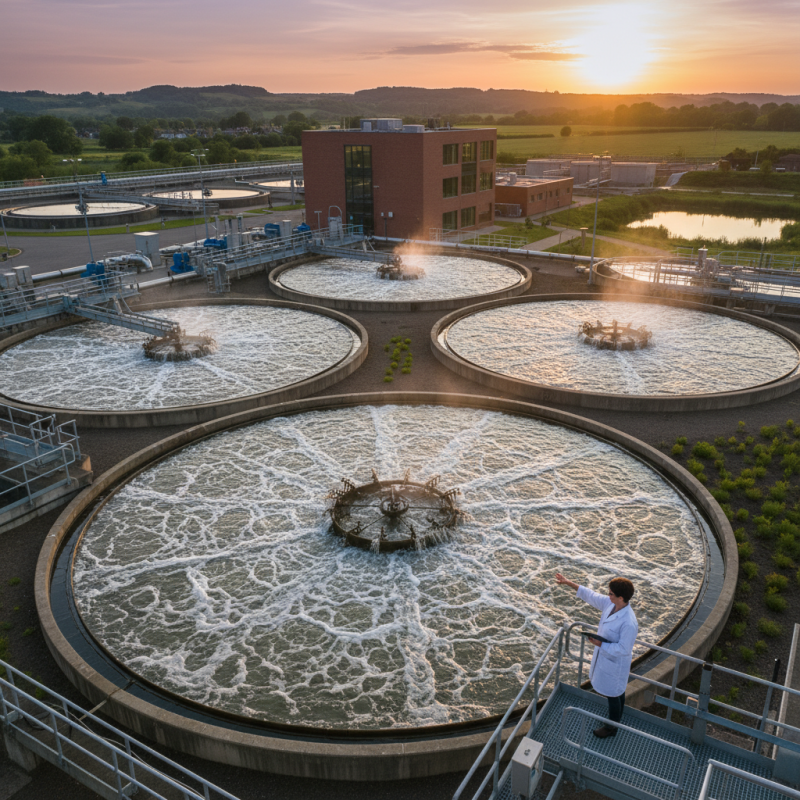
Definition of Aeration in Wastewater Treatment
Aeration in wastewater treatment is a crucial process. It involves supplying oxygen to water, facilitating the breakdown of pollutants. This process enhances the efficiency of microbial activity. According to the U.S. Environmental Protection Agency (EPA), aeration is vital for removing approximately 90% of dissolved organic matter.
There are different methods of aeration, including surface aerators and diffused aerators. Each method has unique advantages and drawbacks. For instance, surface aerators may have higher operational costs due to energy consumption. In contrast, diffused aeration systems can be more efficient but may require regular maintenance.
Having high energy costs can hinder facilities, particularly in developing regions. Effective aeration not only reduces contaminants but also helps prevent the formation of harmful substances. Proper design and operation are essential for maximizing aeration efficiency. However, challenges remain. Background factors, such as temperature and pH, can affect microbial performance. It's crucial to monitor these variables closely.
Data from the Water Environment Federation suggests that inadequate aeration can lead to severe treatment failures. The quest for optimal aeration strategies continues.
Importance of Aeration in the Treatment Process
Aeration plays a crucial role in the wastewater treatment process. It helps introduce oxygen into the water, promoting aerobic bacteria growth. These bacteria break down organic pollutants, making the water cleaner. Without aeration, treatment efficiency drops significantly. This can lead to foul odors and increased health risks.
Implementing effective aeration is not only about efficiency but also about sustainability. A well-structured aeration system can reduce energy consumption. However, maintaining such systems requires regular checks and adjustments. Over-aeration or under-aeration can lead to problems. It’s essential to find a balance that suits the specific wastewater characteristics.
Tips: Monitor dissolved oxygen levels frequently. This ensures that bacteria have enough oxygen for their activity. Regular maintenance of aeration equipment is vital. A neglected system can lead to unnecessary costs and decreased treatment performance. Aim for an adaptive strategy that adjusts aeration based on real-time data. This approach often leads to better outcomes in wastewater treatment.
Types of Aeration Techniques Used in Wastewater Treatment
Aeration is crucial in wastewater treatment, enhancing the breakdown of organic pollutants. Various techniques exist, each with distinct applications and benefits. Among these, surface aerators are common in lagoons and ponds. They facilitate oxygen transfer while aiding in mixing, but they can require significant space.
Diffused aeration is another effective method. It involves releasing air through submerged diffusers. This technique allows for better oxygen distribution in deeper tanks. The operational costs can be lower than surface aerators, yet maintenance can be challenging. This method offers flexibility, adapting well to varying flow rates.
Lastly, mechanical aeration employs various energy-efficient devices. These can include turbines and mixers to enhance aeration. However, ensuring the right equipment design is critical to avoid energy waste. Each technique has its drawbacks. The choice depends on site-specific conditions. Understanding these nuances is key to effective wastewater management.
What is the Aeration Process in Wastewater Treatment? - Types of Aeration Techniques Used in Wastewater Treatment
| Aeration Technique | Description | Advantages | Disadvantages |
| Surface Aeration | Involves agitating the surface of wastewater to increase oxygen transfer. | Low energy cost, easy to operate. | Less efficient in deep tanks, susceptible to weather conditions. |
| Diffused Aeration | Utilizes air diffusion through fine bubble aerators to optimize oxygen transfer. | High efficiency, suitable for various depths. | Higher initial investment, potential for clogging. |
| Mechanical Aeration | Involves mechanical mixers to introduce air into wastewater. | Effective mixing and aeration; handles varying flows. | Higher operational costs, maintenance required. |
| Submerged Aeration | Involves submerged aerators that directly introduce air into the wastewater. | Highly efficient, minimizes odor issues. | Complex installation, can be costly to maintain. |
| Natural Aeration | Utilizes natural processes and simply allows oxygen exchange in shallow basins. | Low energy requirement, environmentally friendly. | Less control over the process, dependent on natural conditions. |
Steps Involved in the Aeration Process
In wastewater treatment, the aeration process plays a crucial role in breaking down organic matter. This process enhances the growth of microorganisms, which consume pollutants. It’s vital for the biological treatment of wastewater in various systems.
The aeration process typically includes several steps. Initially, the wastewater is directed to an aeration tank. Here, air is introduced to promote oxygen transfer. The added oxygen supports aerobic bacteria, which thrive in this environment. These bacteria then consume organic materials, reducing contaminants in the water.
Monitoring is critical throughout the aeration stage. Operators often check oxygen levels and bacteria activity. If conditions aren’t ideal, the process can falter. Insufficient oxygen can lead to less efficient treatment. This reflects the need for continuous adjustments and evaluations. Each step must be harmonized for optimal results.
Aeration Process in Wastewater Treatment
This chart illustrates key factors in the aeration process of wastewater treatment, highlighting aspects such as oxygen transfer efficiency, energy consumption, and cost of aeration. These factors are critical for evaluating the effectiveness and efficiency of the aeration process.
Impact of Aeration on Water Quality and Environmental Benefits
Aeration is a vital process in wastewater treatment. It involves introducing air into the water. This boosts oxygen levels, supporting the growth of bacteria. These bacteria break down organic matter, making the water cleaner. The aeration process also helps reduce odors and toxic substances.
The impact of aeration on water quality is significant. It enhances the removal of pollutants and improves overall clarity. Higher dissolved oxygen levels promote a healthier aquatic ecosystem. This benefits local wildlife and supports biodiversity.
However, improper aeration can lead to issues. Too much air can cause foaming and loss of valuable nutrients. Finding the right balance is crucial for effective treatment.
Environmental benefits are notable as well. Aeration can reduce greenhouse gas emissions from wastewater. By optimizing this process, facilities decrease their carbon footprint. Healthy water bodies help maintain natural habitats. Yet, the process requires careful monitoring. Inadequate aeration may result in harmful algal blooms. Continuous improvement and adaptation in aeration practices are essential for sustainable wastewater management.