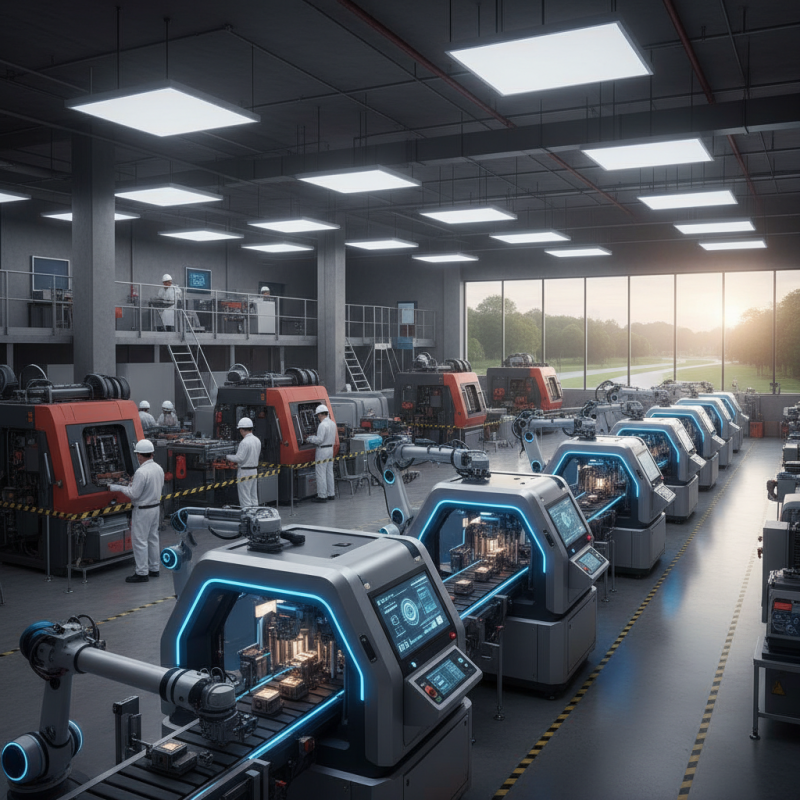
What Are the Benefits of Investing in New Machinery?
Investing in new machinery, or "Maquinarias Nuevas," can significantly enhance productivity. Businesses often hesitate due to high costs. However, these machines can lead to reduced labor time and increased efficiency. Modern equipment often features advanced technology, making processes quicker and more reliable.
Businesses can also benefit from improved safety with new machinery. Older equipment may pose risks and lead to accidents. Upgrading reduces these hazards. Furthermore, the latest models can be more energy-efficient, cutting down operational costs in the long run.
Yet, the decision isn't straightforward. Companies must consider budget constraints and potential downtime during installation. Investing in "Maquinarias Nuevas" is a balancing act. The choice requires careful thought and planning to maximize returns.
Advantages of Enhanced Production Efficiency with New Machinery
Investing in new machinery can significantly enhance production efficiency. Upgrading to modern equipment often leads to faster output. This allows businesses to meet growing demands without sacrificing quality. New machines also tend to be more energy-efficient. This can reduce operational costs over time. Businesses might find themselves less dependent on manual labor, which minimizes human error.
However, it's essential to assess the cost of this investment. Initial expenses can be high, and not every new machine guarantees immediate benefits. Some companies may face challenges during the transition. Training staff on new systems takes time and effort. This may lead to temporary drops in productivity. Reflecting on these challenges can help businesses strategize their integration processes.
Despite these potential drawbacks, the long-term advantages often outweigh the initial hurdles. Enhanced production efficiency typically leads to increased profitability. Companies can achieve better quality control with advanced machines. Overall, the benefits of investing in new machinery warrant careful consideration and planning.
Cost Savings Through Automation and Reduced Labor Expenses
Investing in new machinery can lead to significant cost savings. Automation reduces the need for manual labor. Fewer workers on the floor mean less expenses related to salaries and benefits. This is a clear advantage for businesses aiming to improve their bottom line.
However, the transition isn't always smooth. Implementing new machinery requires training. Employees may face challenges adapting to automated systems. There is pressure to meet productivity standards, which can create tension. It’s crucial to find a balance between efficiency and worker satisfaction.
Maintenance is another consideration. New machines may need frequent servicing. Unexpected breakdowns can lead to delays and additional costs. Businesses must weigh these potential drawbacks against the long-term savings. Each company must evaluate its unique situation. The savings can be substantial, but not without its challenges.
What Are the Benefits of Investing in New Machinery? - Cost Savings Through Automation and Reduced Labor Expenses
| Benefit | Description | Estimated Savings (%) | Time to ROI (Months) |
| Increased Efficiency | Automation of repetitive tasks leading to faster production cycles. | 20% | 6 |
| Reduced Labor Costs | Less need for manual labor, lowering payroll expenses. | 30% | 8 |
| Improved Product Quality | Consistent performance reduces defects and increases customer satisfaction. | 15% | 10 |
| Lower Energy Consumption | Modern machinery designed to use less energy. | 10% | 12 |
| Scalability | Ability to increase production capacity without significant additional costs. | 25% | 9 |
Improved Product Quality and Consistency with Up-to-Date Equipment
Investing in new machinery can significantly improve product quality and consistency. Modern equipment is designed with advanced technology. This can lead to fewer defects in production processes. When machinery is up-to-date, it often requires less maintenance, reducing downtime. This means more efficient production runs that ensure a steady output of high-quality products.
However, upgrading machinery is not without its challenges. There can be a learning curve for employees as they adapt to new systems. Training is essential but can be time-consuming and costly. Additionally, initial investment costs can be daunting for smaller businesses. It's crucial to assess whether the long-term benefits truly outweigh these hurdles. Balancing immediate financial concerns with future quality improvements can be a delicate task.
Another aspect to consider is the environmental impact. New machinery often promotes sustainability, which can enhance brand reputation. Yet, these technologies can sometimes consume more energy initially. Businesses must evaluate their specific needs and environmental goals before making a decision. A thoughtful approach can lead to better outcomes in product delivery and customer satisfaction.
Increased Safety Features Leading to a Safer Work Environment
Investing in new machinery can significantly enhance safety features, creating a more secure work environment. Modern machines are designed with advanced safety technology. These improvements include better guards, more precise sensors, and automatic shut-off systems. Workers feel more protected, leading to higher morale.
However, while these upgrades are essential, they are not foolproof. Workers must still undergo training to understand new safety protocols. Not every employee will adapt easily. Misunderstandings or lack of knowledge can lead to accidents, even with the best machinery. Constant vigilance is crucial.
Additionally, maintenance of new equipment is essential for safety. Regular checks help identify potential issues early. A machine in poor condition can negate safety features. Companies must prioritize inspections and encourage open communication about equipment concerns. Ultimately, it’s about creating a culture of safety, supported by reliable machinery.
Potential for Technological Advancements and Competitive Edge
Investing in new machinery can significantly enhance a company's technological capabilities. In a recent report by the International Federation of Robotics, companies that upgrade their machines see productivity gains of up to 30%. Automated systems reduce human error and increase efficiency. However, these advancements require careful planning and training.
A competitive edge often comes from having the latest technology. A study from McKinsey indicates that companies with advanced machinery outperform their competitors by around 20% in speed and quality. These new machines can adapt to various tasks. Yet, there's a challenge: employees need time to learn and adapt to these technologies. Potential downtime during this transition can impact production schedules.
While investing in new machinery presents clear benefits, companies must consider the costs and risks involved. Maintenance can be more demanding with newer technologies. Industrial machinery can also require specialized skills that may not be readily available in the current workforce. Thus, firms need to reflect on their long-term strategies. Balancing innovation with practical implementation is essential.