Top Benefits of Solenoid Valves in Irrigation Systems?
Irrigation systems are essential for sustainable agriculture. They help optimize water usage. In recent years, the integration of technology in irrigation has become pivotal. A significant advancement is the use of the Solenoid Valve In Irrigation Systems.
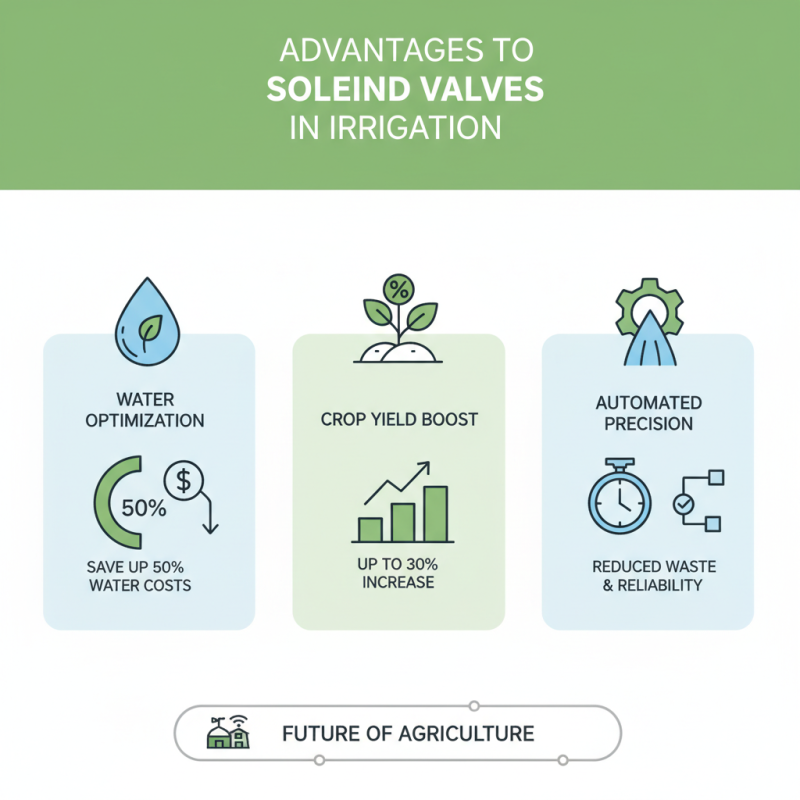
According to industry reports by the International Irrigation Association, efficient irrigation can boost crop yields by up to 30%. Solenoid valves enhance this efficiency by automating water flow. This reduces waste and ensures precise irrigation. Farmers can save up to 50% on water costs by using these valves effectively. Their reliable performance in diverse environments is critical for maximizing resource management.
However, challenges remain. Not all solenoid valves perform equally. The variability in brand quality can lead to dissatisfaction. Maintenance is also crucial; neglect can lead to failures. Users must be mindful of these factors. Embracing the advantages of solenoid valves is vital for the future of agricultural water management.
Overview of Solenoid Valves in Irrigation Systems
Solenoid valves play a crucial role in modern irrigation systems. They control the flow of water efficiently and reliably. These devices receive electrical signals that open or close the valve, allowing for precise water management. This automation significantly reduces manual labor. Imagine a farmer being able to water fields from a distance. It’s convenient, but it also requires consistent power supply.
Functionality is not without its challenges. Over time, solenoid valves can become clogged with debris. Regular maintenance is needed to ensure optimal performance. If neglected, this could lead to uneven watering, stressing crops and wasting resources. Understanding the signs of failure is essential for effective use.
Moreover, solenoid valves can be designed with various flow rates. This allows for tailored irrigation solutions, catering to different plant needs. However, picking the right valve can be confusing. Too often, system compatibility is overlooked. Careful planning is essential when integrating them into existing systems. The benefits are clear, but users must remain vigilant.
Key Advantages of Using Solenoid Valves
Solenoid valves play a significant role in irrigation systems. They offer precise control over water flow. This precision helps in reducing water waste. Farmers can easily automate watering schedules using this technology. When properly configured, these valves can save time and labor costs.
One key advantage is their reliability. Solenoid valves respond quickly to electrical signals, making them efficient. However, installation is not always straightforward. Sometimes, improper placement can lead to inefficiency. Regular maintenance is essential to ensure functionality. On the other hand, they can easily be adjusted for various water pressures. This versatility makes them suitable for different types of irrigation setups.
Another benefit is their ability to integrate with smart technologies. Many modern systems allow for remote monitoring and control. While this is convenient, it requires a stable power source. Vulnerabilities in the electrical system can cause issues. Still, their benefits far outweigh the challenges when maintained correctly. It's crucial to evaluate each irrigation system's specific needs for optimal performance.
How Solenoid Valves Improve Water Efficiency
Solenoid valves play a crucial role in irrigation systems. They automate water flow, ensuring precise delivery to crops. This reduces water waste, a significant issue in farming today. By using these valves, farmers can actively monitor water supply and cut down on runoff.
Water efficiency is enhanced with solenoid valves. These devices open and close rapidly, responding to moisture levels in the soil. When soil is adequately moist, the valve shuts off. This prevents overwatering and helps conserve precious water resources. However, improper installation can lead to inefficiencies, wasting water instead of saving it.
Moreover, solenoid valves require regular maintenance to function optimally. Clogs and wear can hinder their performance. Farmers need to check for blockages and ensure the system works. Regular inspections may seem tedious, but they are vital for achieving the desired efficiency.
Impact of Solenoid Valves on Irrigation Automation
Solenoid valves play a crucial role in irrigation automation. They enable efficient control of water flow. By using these valves, farmers can automate their irrigation systems. This reduces manual labor and minimizes water waste. The precision offered by solenoid valves ensures optimal watering schedules.
Implementing solenoid valves can increase crop yield. They allow for timely irrigation, which is vital for plant growth. Automated systems can be programmed for specific times. This leads to consistent soil moisture levels. However, some may overlook regular maintenance. Dirt and debris can hinder valve performance. Periodic checks are essential for longevity.
Tips for using solenoid valves: Ensure proper installation to avoid leaks. Schedule routine maintenance to keep everything running smooth. Finally, consider weather patterns when programming systems. Adjust settings based on seasonal needs. This ensures your irrigation system remains effective in any condition.
Top Benefits of Solenoid Valves in Irrigation Systems
| Benefit | Description | Impact on Automation |
| Precision Control | Allows for accurate flow and pressure adjustments in irrigation | Enhances automated scheduling and real-time adjustments |
| Remote Operation | Can be controlled remotely using smart devices | Improves convenience and access from different locations |
| Water Conservation | Reduces wastage by enabling precise irrigation timings | Supports advanced irrigation algorithms for efficient water use |
| Durability | Built to withstand harsh outdoor conditions | Reduces maintenance needs, allowing for more stable systems |
| Automated Scheduling | Facilitates automatic activation and deactivation | Simplifies management of irrigation systems |
Maintenance and Durability of Solenoid Valves in Irrigation
Solenoid valves play a crucial role in irrigation systems. Their maintenance and durability are essential for optimal operation. Regular checks can prevent issues. Cleaning these valves is often overlooked, yet it is vital. Accumulation of dirt can hinder performance.
For effective upkeep, it’s important to inspect for leaks. A small leak can lead to wastage. This also impacts system efficiency. Over time, wear and tear can affect solenoids. Regularly testing the electrical connections ensures proper functionality.
Tips: Consider setting a maintenance schedule. Documentation of inspections can be beneficial. If a valve shows signs of malfunction, replace it promptly. This can save resources in the long run. Durability is key to avoiding costly repairs. Investing time in maintenance will yield better irrigation results.
Top Benefits of Solenoid Valves in Irrigation Systems
This chart illustrates the top benefits of solenoid valves in irrigation systems, rated on a scale from 1 to 10. The main advantages include ease of use, water conservation, durability, cost-effectiveness, and automation capability, showcasing their significant role in efficient irrigation practices.