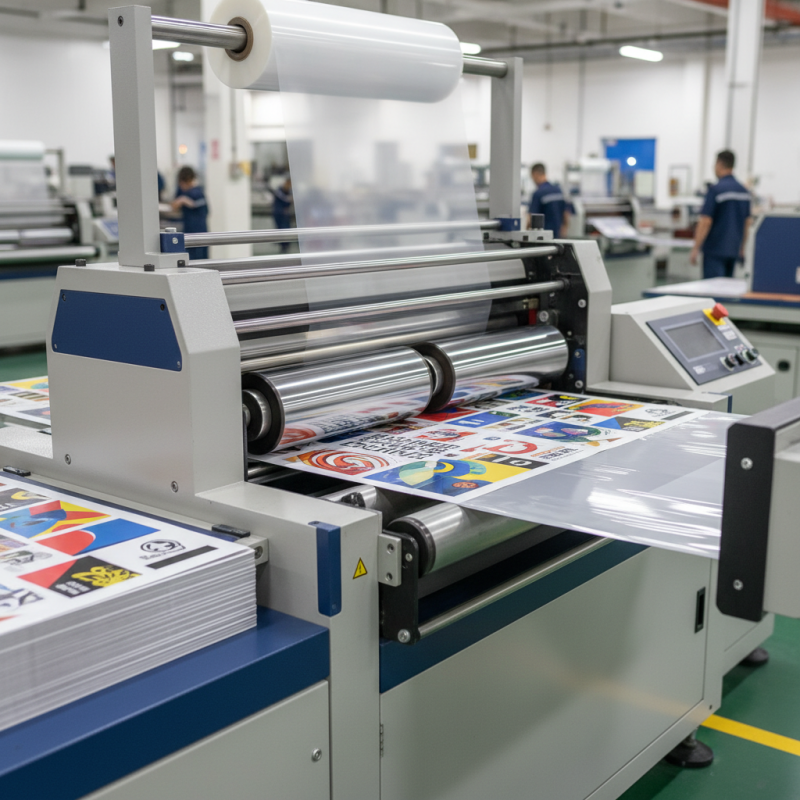
Top 10 Benefits of Using a Roll Lamination Machine?
In the world of modern printing and packaging, a Roll Lamination Machine is essential. This machine offers significant benefits for businesses. It enhances durability and improves product appearance. More importantly, it protects materials from wear and tear.
Roll lamination allows for efficient processing. It can quickly laminate large volumes, saving time and labor costs. This speed is crucial for high-demand environments. Additionally, the machine is versatile. It can be used for various materials, such as paper, plastic, and cardboard.
However, it is essential to consider maintenance. A well-maintained Roll Lamination Machine lasts longer and operates effectively. Businesses may overlook this aspect, leading to potential inefficiencies. By investing in proper care, companies can maximize their profits. Embracing the advantages of this technology can transform operations, but reflection on practices is necessary for true success.
Benefits of Enhanced Durability in Laminated Products
Enhanced durability is a significant advantage of using roll lamination machines. Laminated products can withstand various environmental conditions. This means they resist moisture, dirt, and wear. As a result, they last much longer than non-laminated items. For instance, laminated documents maintain their integrity even in high-humidity environments. Everyday items like menus or posters benefit from this process.
Another aspect to consider is the impact on long-term costs. While initial investment in lamination may seem high, the durability pays off. Replacing damaged items frequently can add up. Laminating can reduce this need. Laminated surfaces are easier to clean and maintain. Additionally, they tend to keep their vibrant colors longer. However, some might overlook how not all lamination methods provide the same level of durability. It’s essential to assess different techniques to find the best fit for specific needs.
Improved Aesthetic Appeal Through Professional Finishing
Using a roll lamination machine can significantly enhance the aesthetic appeal of your printed materials. When you laminate documents, they gain a polished finish that commands attention. The glossy or matte surface can make colors pop, creating vivid images that attract viewers. This finishing adds a layer of professionalism that can elevate the presentation of brochures, menus, and reports.
The process, while relatively straightforward, does require precise calibration and attention. If the settings are off, the result may be less than desirable. You may encounter issues with bubbling or uneven lamination. Such imperfections can detract from the intended look. It's important to regularly check the machine for maintenance to avoid these pitfalls. The benefits can be lost if corners are cut during the lamination process.
Besides enhancing looks, lamination also protects documents from wear and tear. It's a practical solution for items that need to last. However, it can be easy to overlook quality control. Careful consideration of each project will help ensure that the final product matches your vision. Investing time in mastering the roll lamination process pays off in the long run. Making adjustments and learning from mistakes can lead to impressive results every time.
Increased Efficiency and Productivity in Lamination Processes
Roll lamination machines are transforming lamination processes. They enhance efficiency and productivity significantly. The speed of these machines allows for faster production cycles. Operators can complete more projects in less time. This leads to higher output, which is essential in a competitive market.
Automation plays a crucial role in the effectiveness of these machines. It minimizes human error, ensuring a consistent quality in the final product. Workers can focus on more complex tasks, elevating the overall workflow. Yet, the technology does require proper training. Some users may struggle initially, leading to delays. This highlights a need for ongoing education in operating these machines.
Moreover, the energy efficiency of roll lamination machines can lower operational costs. They often consume less power than traditional equipment. However, the initial investment can be daunting for smaller businesses. It's a delicate balance between upfront costs and long-term savings. Ultimately, businesses must weigh their current needs against future benefits.
Top 10 Benefits of Using a Roll Lamination Machine
| Benefit | Description | Impact on Efficiency | Impact on Cost |
| Faster Production | Roll lamination machines produce laminated products more rapidly than manual processes. | Increases throughput by up to 50%. | Reduces labor costs significantly. |
| Consistent Quality | Ensures uniform thickness and adhesion across all items. | Minimizes rework and waste. | Lowers material costs by reducing waste. |
| Versatile Applications | Can laminate various materials for different purposes. | Extends production capabilities. | Potentially increases revenue through diverse offerings. |
| User-Friendly Operation | Modern machines come with intuitive controls. | Reduces training time for operators. | Lower training costs. |
| Reduced Labor Intensity | Automates labor-intensive tasks. | Free up staff for other tasks. | Decreases labor expenses. |
| Enhanced Durability | Laminated products are sturdier and withstand wear. | Increases product lifespan. | Reduces replacement costs. |
| Space Efficiency | Designed to maximize workspace usage. | Optimizes production area. | Minimizes overhead costs. |
| Environmental Benefits | Reduces waste with precise lamination. | Promotes sustainable practices. | Additional savings through reduced waste disposal costs. |
| Increased Market Competitiveness | Ability to produce high-quality, consistent products. | Attracts more customers. | Boosts profitability. |
| Enhanced Safety Features | Modern machines include safety mechanisms. | Reduces accidents and injuries. | Lowers insurance costs. |
Cost-Effectiveness of Using a Roll Lamination Machine
The cost-effectiveness of using a roll lamination machine is significant. Research shows that businesses can save around 30% in material costs by using this technology. Roll lamination machines reduce waste. They allow for larger rolls of laminating film, maximizing material usage. This is especially important for companies with tight margins.
Moreover, labor costs decrease. With automated machines, fewer workers are needed for lamination tasks. According to a recent industry report, automation can cut labor expenses by up to 20%. Direct costs drop while productivity rises. This means faster turnaround times and higher output.
Tips: Regular maintenance is crucial. A well-maintained machine reduces unexpected repair costs. Also, training staff is essential. Proper training minimizes mistakes, leading to more efficient operations. Consider testing different films. Different materials may reduce costs further and improve quality.
However, businesses must analyze their specific needs. Not every company benefits equally from a roll lamination machine. Small operations may not see a significant return on investment. It's essential to evaluate if the initial cost feels justified over time.
Versatility in Applications Across Various Industries
Roll lamination machines offer remarkable versatility, making them essential across various industries. These machines excel in packaging, creating durable and weather-resistant materials. For example, in the food sector, they enhance the shelf life of products. This application improves hygiene and protection from contamination. In education, laminating documents and artwork preserves valuable materials. The vibrant colors remain intact, and the surface resists wear and tear.
However, this versatility can sometimes lead to overuse in certain sectors. Companies may laminate items that do not require protective finishes, resulting in wasted resources. It's crucial for businesses to assess their needs carefully. In the marketing world, roll lamination helps create striking displays. Yet, balancing aesthetic appeal with practicality can be challenging. Overly glossy surfaces might glare under lights and deter customers.
In construction, rolled lamination protects blueprints and plans. But, not all materials are suitable for lamination. Some delicate papers may warp or lose integrity. It becomes vital for users to experiment and fine-tune their techniques. Embracing this machine's versatility requires thoughtful application, ensuring everything laminated serves a purpose. A careful approach can yield impressive results.
Top 10 Benefits of Using a Roll Lamination Machine