Skip to content
Menu

What Is the Best Plasma Cutting Table in 2026?

Choosing the best Plasma Cutting Table in 2026 requires more than comparing torch speed or advertised wattage. A serious buyer must connect machine capability with material thickness, workshop space, software reliability, and long-term operating costs. The right table should cut clean profiles repeatedly, not merely perform well during a showroom demonstration.

Industry data shows why this decision matters. Grand View Research identifies automation, digital manufacturing, and improving fabrication efficiency as major forces shaping the global metal cutting equipment market. MarketsandMarkets also projects continued growth in the plasma cutting machine sector, driven by demand from construction, automotive, infrastructure, and general manufacturing. These reports suggest a competitive market, but growth does not guarantee better purchasing decisions. Specifications can still hide important limitations.

Real-world experience adds another layer. A 4-by-8-foot table may suit common sheet sizes, yet it needs clearance for loading, ventilation, and operator movement. Cutting 12-gauge steel is very different from piercing half-inch plate repeatedly. Consumable life, duty cycle, THC response, kerf accuracy, and nesting software can affect production more than headline amperage. OSHA guidance on machine safeguarding and welding-related ventilation also reminds buyers that performance must support a controlled working environment. Safety is not optional.

Some evaluations remain imperfect. Manufacturer ratings often use different testing conditions, making direct comparisons difficult. That is why this guide examines measurable performance, service support, maintenance access, software integration, and total ownership cost. The best Plasma Cutting Table is not always the fastest or most expensive model. It is the one that matches verified production needs, operator skill, available space, and realistic growth plans.
What Is the Best Plasma Cutting Table in 2026?

What Is a Plasma Cutting Table and How Does It Work?

What Is the Best Plasma Cutting Table in 2026?

What Is a Plasma Cutting Table and How Does It Work?

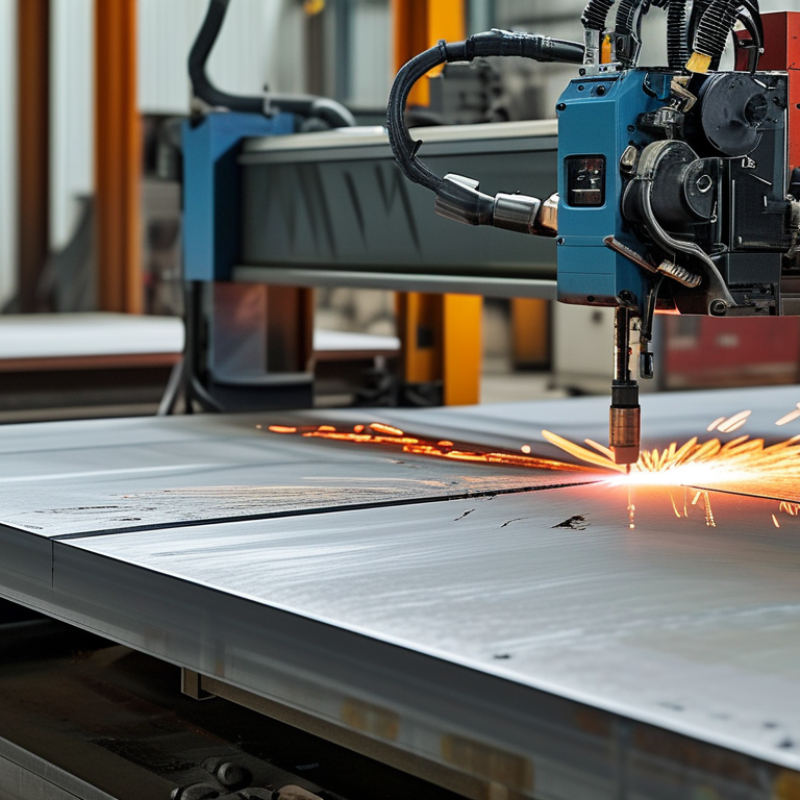
A plasma cutting table supports metal while a torch cuts programmed shapes. The table usually combines a steel bed, motion system, controller, and cutting torch. A grounded workpiece completes the electrical circuit. Compressed air or another approved gas passes through the torch. An electric arc then turns that gas into extremely hot plasma.

The plasma stream melts the metal and blows the molten material through the cut. The torch moves along digital coordinates supplied by design software. Height control helps maintain a stable distance from the sheet. This matters because warped metal can produce uneven edges and excessive slag. A water bed reduces smoke and captures some heat. A downdraft system pulls fumes below the cutting surface.

Safety remains practical, not decorative. Operators need eye protection, gloves, hearing protection, and suitable ventilation. I have seen clean cuts fail because the material was poorly grounded. Incorrect air pressure can cause similar problems. Check consumables often. A worn nozzle changes the arc and reduces accuracy.

The best table in 2026 depends on material thickness, workspace, production volume, and maintenance support. A compact table may suit occasional fabrication. A rigid frame and reliable height control matter more for repeated work. Software quality also deserves attention. Some systems look impressive but feel confusing during real setup. No table is perfect. Leave room for training, mistakes, and future repairs.

Which Features Define the Best Plasma Cutting Table in 2026?

What defines the best plasma cutting table in 2026?

In my shop experience, cutting accuracy begins with a rigid frame. A table that flexes can distort long parts and waste expensive sheet metal. Check the rated load, rail alignment, and working area before judging advertised speed. Strong construction matters.

The cutting surface also needs practical design. Replaceable slats should lift out easily when dross builds up. A water table can reduce smoke, heat, and warping, but it needs regular cleaning. Dry systems may suit smaller workshops with proper extraction.

Torch height control is essential for consistent cuts, especially on uneven plate. Reliable sensors and steady motion usually matter more than extreme travel speed.

Modern software should support simple drawing imports, automatic nesting, and clear error messages. Operators need to adjust feed rate, amperage, and pierce height without guessing.

An emergency stop, guarded moving parts, and effective fume control protect both workers and equipment. Verify electrical requirements and ventilation rules before installation.

Do not overlook maintenance access. Some tables look advanced, yet awkward service panels can create daily frustration. I have also seen excellent cuts fail because the material was poorly supported.

No table fixes every setup mistake. A short test cut on the actual metal remains necessary.

How Do Plasma Cutting Tables Compare by Type and Capability?

What Is the Best Plasma Cutting Table in 2026?

The best plasma cutting table depends on the work, not the highest advertised amperage. Handheld tables suit repairs, signs, and occasional sheet cutting. They need lower investment, but operators guide every cut. Mechanized 2D CNC tables improve repeatability for brackets, panels, and production batches. Robotic or multi-axis systems handle angled cuts and formed components, although programming becomes more demanding.

Capability changes sharply with material thickness. A 45-amp system may cut thin steel quickly, while thicker plate requires more power and a stronger torch. Cutting speed also affects edge quality. The American Iron and Steel Institute reports that advanced manufacturing increasingly values process consistency and material efficiency. Meanwhile, Grand View Research estimates continued growth in the global cutting-machine market through 2030, driven partly by CNC adoption. These figures suggest demand is moving toward automation, but market growth does not guarantee better results for every workshop.

Tips: Check the recommended piercing thickness, duty cycle, table load rating, and software compatibility. Measure the fume-control performance beside the table, not only in the brochure. Water tables reduce airborne dust and can limit heat distortion; downdraft systems simplify dry-floor operation. In practical testing, a stable gantry and accurate height control often matter more than extra amperage. I have seen oversized systems waste power on thin sheet. That choice can be difficult to justify. Also inspect consumable costs, replacement intervals, and operator training time. A modest CNC table may outperform a larger machine when maintenance is consistent and drawings remain simple.

What Size, Power, and Software Should You Choose?

Choosing a plasma cutting table in 2026 starts with the work, not the catalog. Grand View Research projects the plasma cutting machine market to grow at about 6.5% annually through 2030. That growth reflects more automated fabrication, but bigger is not always better. A 4-by-8-foot table suits many sheet-metal jobs and fits common workshop layouts. A 5-by-10-foot table reduces repositioning for larger panels. Measure doorways, extraction space, and material-loading paths first. I once underestimated floor clearance. It became an expensive lesson.

Power should match thickness, duty cycle, and your actual production rhythm. A 45-amp system handles frequent thin-sheet work efficiently. A 100-amp class system offers more capacity for thicker steel, but it needs stronger electrical service and cleaner air. Cutting at the maximum rating can reduce edge quality and consumable life. The Fabricators and Manufacturers Association reports that manufacturers continue prioritizing productivity and automation investment. That does not mean maximum power is automatically the smartest purchase.

Software deserves equal attention. Choose CAD compatibility, reliable nesting, torch-height control, and clear error messages. Automatic nesting can reduce scrap, although savings depend heavily on part geometry. ISO 9013 provides recognized thermal-cutting quality classifications, useful when comparing finished edges. Test the software with your real drawings before buying. A smooth demonstration file proves little. Ask for sample cuts using your steel, thickness, and preferred tolerances. That step may feel slow. It prevents a fast, costly mistake.

What Is the Best Plasma Cutting Table in 2026? - What Size, Power, and Software Should You Choose?

Recommended Table Class Typical Working Area Recommended Plasma Output Practical Cutting Range Suitable Materials Motion and Accuracy Targets Recommended Software and Controls Typical Electrical Requirements Best Use Main Trade-Off
Compact hobby table 600 × 600 mm to 1,000 × 1,000 mm
Approximately 2 × 2 ft to 3 × 3 ft
30–45 A air plasma system Thin sheet to approximately 10 mm mild steel, depending on the power source, consumable condition, speed, and material grade Mild steel, stainless steel, and aluminum sheet Typical repeatability: about ±0.15–0.30 mm
Recommended torch-height control for production-quality results
2D CAD/CAM with automatic lead-ins, kerf compensation, torch-on and torch-off commands, and basic nesting Single-phase supply; many units operate from approximately 120–240 V, but the required circuit depends on the plasma source Home workshops, school projects, prototypes, signs, brackets, and small replacement parts Limited sheet capacity and slower workflow when cutting many small parts
Standard workshop table 1,200 × 1,200 mm or 1,200 × 2,400 mm
Approximately 4 × 4 ft or 4 × 8 ft
45–65 A air plasma system Regular production cutting from thin sheet to approximately 12–16 mm mild steel; piercing capacity is normally lower than edge-cut capacity Mild steel, stainless steel, aluminum, galvanized steel, and expanded metal Typical repeatability: about ±0.10–0.20 mm
Rack-and-pinion or ball-screw motion with automatic torch-height control
CAD/CAM software with true-shape nesting, remnant management, cut sequencing, automatic lead-ins, kerf compensation, and machine diagnostics Usually 240 V single-phase or three-phase service, plus a dry, filtered compressed-air supply General fabrication, repair shops, agricultural parts, HVAC components, and low-to-medium production volume Requires more floor space, ventilation, and material-handling planning than a compact table
Professional production table 1,500 × 3,000 mm
Approximately 5 × 10 ft
65–105 A plasma system Thin sheet through approximately 20–25 mm mild steel for practical production work; exact performance varies by duty cycle and cutting speed Mild steel, stainless steel, aluminum, galvanized steel, and plate stock Typical repeatability: about ±0.08–0.15 mm
Closed-loop or rigid stepper motion, automatic height sensing, and reliable plate leveling
Advanced nesting, common-line cutting, micro-joints, automatic part orientation, consumable tracking, job reporting, and integrated CNC control Dedicated 240–480 V service may be required; compressed air or approved gas supply must meet the plasma manufacturer's flow and pressure specifications Fabrication businesses, contract cutting, structural components, custom machinery, and daily production Higher purchase, extraction, maintenance, and operator-training costs
Heavy-duty plate table 1,800 × 3,600 mm or larger
Approximately 6 × 12 ft or larger
105–200 A plasma system Approximately 25–40 mm mild steel in demanding production applications; maximum severance thickness is not the same as recommended continuous cut thickness Heavy mild-steel plate, stainless steel, aluminum, and large structural components Typical repeatability: about ±0.05–0.12 mm
Heavy gantry, rigid rails, automatic torch-height control, and high-duty-cycle drive components
Industrial CAD/CAM with advanced nesting, chain cutting, collision avoidance, plate mapping, cut charts, production records, and network job transfer Industrial three-phase power, high-capacity air or gas delivery, fume extraction, and a suitable material-loading system High-volume production, structural steel, construction equipment parts, and large plate processing Large footprint, high operating cost, and greater demands on extraction and material handling
Plasma-and-router combination table 1,200 × 2,400 mm to 1,500 × 3,000 mm
Approximately 4 × 8 ft to 5 × 10 ft
45–85 A plasma system, with a separate router spindle or tool head Plasma cutting for sheet and plate; routing performance depends on spindle power, tooling, feed rate, and workholding Mild steel, stainless steel, aluminum, wood, plastics, composites, and non-ferrous sheet materials Typical repeatability: about ±0.10–0.25 mm
Requires a rigid frame, separate tool paths, and accurate work-zero procedures
CAD/CAM capable of managing plasma and routing tool paths, separate post-processors, material libraries, and tool-change or tool-offset settings Often needs separate circuits for the plasma source, spindle, dust collection, and control electronics Mixed-material workshops that value flexibility more than maximum plasma speed Compromises rigidity, workflow, and dust/fume management compared with a dedicated machine
Water-table configuration Available in compact, standard, and production sizes Choose the same amperage class as the intended plasma source Cutting capability is determined primarily by plasma output, consumables, speed, and material thickness rather than by the water-table design Steel, stainless steel, and aluminum where reduced airborne dust and spark control are important Similar motion requirements to a dry table; water level must remain consistent and the workpiece must be properly supported Uses the same CAD/CAM and CNC features as a dry table, with additional water-level and drainage procedures Electrical requirements depend on table size and plasma source; a safe drainage and water-management system is also required Indoor fabrication areas, educational facilities, and shops seeking lower visible dust and reduced spark spread Water treatment, corrosion control, sludge removal, freezing risk, and more complicated maintenance
Selection rule: Choose the smallest working area that fits your most common sheet size, select plasma amperage according to the thickness you cut repeatedly rather than the advertised maximum, and prioritize automatic torch-height control, reliable CAD/CAM post-processing, fume extraction, and consumable availability. Cutting results depend on material type, plate condition, compressed-air quality, consumable wear, travel speed, and the machine's duty cycle.

How Can You Select the Right Plasma Cutting Table for Your Needs?

Choosing the right plasma cutting table starts with your material, not its advertised amperage. Define your normal plate thickness, sheet size, production volume, and available floor space. A table for occasional 6 mm steel needs different capacity from one cutting 25 mm plate daily. Check the rated duty cycle at 40°C, not only peak output. Higher amperage is useful, but it can increase power demand, consumable costs, and heat distortion.

Cut quality matters equally. ISO 9013 classifies thermal-cut surfaces by angular deviation, average roughness, and tolerance. Ask suppliers for test cuts on your actual steel grade. Inspect the edge under bright light. A smooth edge with minimal dross can reduce grinding time. Automatic torch-height control is valuable for warped sheets, while a reliable CNC controller improves repeatability. Still, software claims can sound better than shop results. Request sample files and repeatability measurements.

Do not ignore air and extraction. The U.S. Department of Energy estimates compressed-air leaks can waste 20–30% of compressor output. Select a clean, dry air system with enough flow at cutting pressure. For fumes, compare the table’s downdraft or water-bed design with local ventilation requirements. A quieter table may improve operator comfort, but published noise figures need realistic testing. Review maintenance access, grounding, emergency stops, and replacement-part availability. The best table is not the largest one. It is the system that matches your workload, protects cut quality, and remains practical after months of use.

What Is the Best Plasma Cutting Table in 2026?

Choose a plasma cutting table according to material thickness, production volume, working area, and required cut quality. The chart shows representative maximum mild-steel thickness ranges for common table classes.

How to select: A compact table is suitable for occasional work and thin sheet. A general-purpose table fits most fabrication projects. Production and heavy-duty tables are better for thicker plate, longer operating cycles, larger workpieces, and higher throughput. Actual capacity depends on the plasma power source, material type, cutting speed, consumables, and duty cycle.