Best Steering Cylinder Solutions for Optimal Performance?
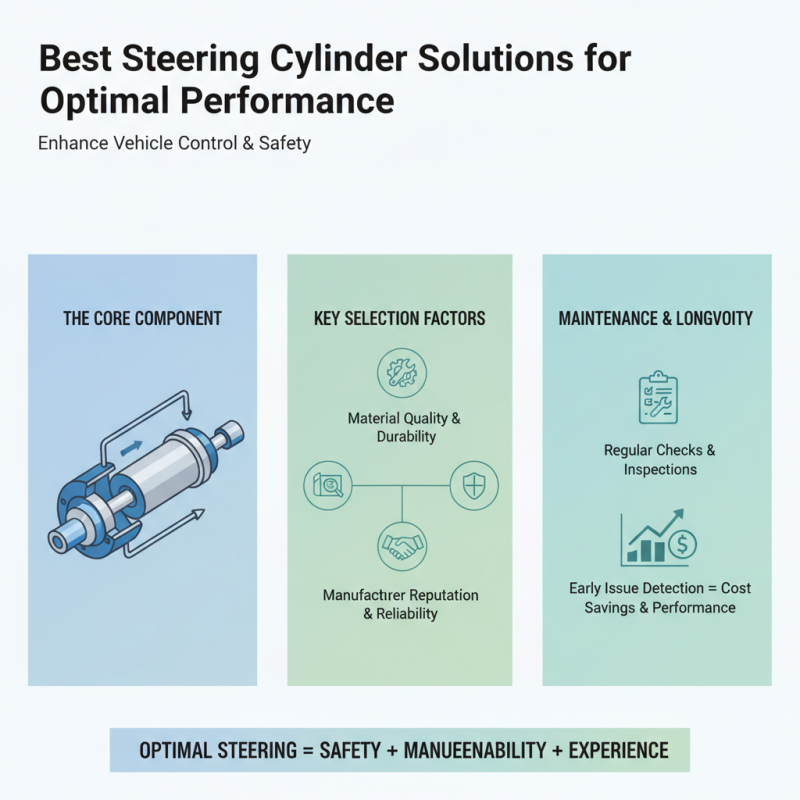
The Steering Cylinder is a crucial component in many hydraulic systems, ensuring accurate and responsive steering control. Its performance directly impacts vehicle safety and maneuverability. An optimal steering cylinder can enhance driving experience significantly.
Choosing the right steering cylinder involves several factors. Material quality, design, and manufacturer reputation play critical roles. A cylinder that is poorly designed may lead to leaks or failures. These issues can compromise vehicle handling and safety. Therefore, understanding steering cylinder options is essential.
It's also important to consider maintenance practices. Regular checks can prevent issues before they arise. After all, even the best solution requires diligence. Identifying issues early on can save costs and enhance performance. The right steering cylinder, paired with proper care, forms the backbone of effective steering systems.
Understanding Steering Cylinders: Types and Functions
Steering cylinders play a crucial role in vehicle control. They convert hydraulic pressure into mechanical force. Understanding the types and functions of steering cylinders can ensure optimal vehicle performance.
There are mainly two types of steering cylinders: single-acting and double-acting. Single-acting cylinders create force in one direction only. These are simpler but may lack the responsiveness needed in complex terrains. Double-acting cylinders, however, operate in both directions. They provide better control and quicker reactions, ideal for adaptive steering systems.
According to industry reports, double-acting systems can improve maneuverability by up to 30%.
Tips: Regular maintenance is essential for optimal performance. Check for leaks and wear in seals. Neglecting these aspects can lead to costly repairs later.
The function of steering cylinders transcends just maneuverability. They influence the entire driving experience. Poor-quality cylinders may introduce unnecessary play in the steering. This can lead to safety hazards. Inaccurate alignment also affects cylinder efficiency. This change can impact performance significantly. Both manufacturers and operators should prioritize quality control in these components.
Key Factors Influencing Steering Cylinder Performance
When considering steering cylinder performance, several key factors come into play. The design and engineering of the cylinder significantly affect its efficiency. Materials used in manufacturing play a critical role too. High-quality materials can resist wear and tear, prolonging the cylinder’s lifespan. However, cost often dictates material choice, leading to compromises.
The seal design is another crucial aspect. Poor seals can lead to fluid leaks, reducing pressure and performance. Regular maintenance is essential to address wear issues. But sometimes, maintenance gets overlooked, leading to diminished performance. Additionally, environmental factors such as temperature and humidity influence fluid viscosity. Fluids that are too thick or too thin can hinder the responsiveness of the steering system.
User feedback also highlights performance inconsistency. Many operators notice that their steering might feel stiff or unresponsive at times. These experiences reflect the importance of evaluating steering systems regularly. Addressing these inconsistencies helps achieve better overall performance. Performance relies not only on initial design but on ongoing attention to detail and improvement.
Comparison of Leading Brands in Steering Cylinder Technology
In the competitive landscape of steering cylinder technology, various brands strive to enhance performance. According to recent industry reports, steering cylinders account for approximately 25% of overall vehicle hydraulic systems. This statistic underscores their importance in ensuring precision and reliability in steering operations.
Many manufacturers emphasize the significance of hydraulic efficiency. Leading studies reveal that a 10% improvement in hydraulic efficiency can result in a 15% increase in overall vehicle responsiveness. Moreover, some users report that choosing the right cylinder can improve handling and safety.
However, not all solutions are flawless. Some steering cylinders may experience longevity issues under extreme conditions. Data indicates that 20% of steering system failures relate to cylinder wear. This highlights a critical area for improvement in design and materials used to enhance durability. Understanding the strengths and weaknesses of different systems guides engineers in selecting the ideal option for specific vehicle requirements. In this dynamic market, ongoing innovation remains essential for achieving optimal performance.
Performance Comparison of Leading Steering Cylinder Solutions
Maintenance Practices for Optimal Steering Cylinder Functionality
Proper maintenance of steering cylinders is crucial for optimal vehicle performance. Regular inspection can prevent unexpected failures. Check for leaks or cracks in hoses and seals frequently. Ensuring that fluid levels are adequate is vital. Low fluid can lead to increased wear and tear.
Here are some tips: Make it a habit to examine your steering system every few months. This helps detect issues early. Keep an eye out for unusual noises during steering. Strange sounds can indicate problems that need immediate attention. Also, maintain a clean environment around the cylinder to avoid dirt buildup.
Timely maintenance is often overlooked. Many believe everything is fine until it isn’t. Neglecting minor issues can cause significant damage later on. Consider using a good lubricant that withstands high temperatures. This can enhance the cylinder's life. Regular maintenance is essential for ensuring safe and efficient steering.
Innovative Trends in Steering Cylinder Design and Engineering
Steering cylinder design is evolving rapidly. Recent innovations focus on enhancing performance while ensuring safety. Advanced materials are now commonplace. They are lighter yet stronger, which improves responsiveness. Integration of smart technology is another key trend. Sensors are being embedded to provide real-time feedback. This allows for better vehicle control.
The push for sustainability also influences design. Engineers are looking at eco-friendly materials. However, this shift can be challenging. Not all sustainable options meet performance standards. Testing them in real-world scenarios is crucial. Some designs struggle with efficiency.
Finding the right balance between performance and sustainability requires ongoing research.
Moreover, compact designs are gaining traction. Reduced size can lead to weight savings. Yet, designing smaller units that don’t compromise effectiveness remains tricky. Engineers must also consider heat dissipation in these compact units. These challenges highlight the complexity of steering cylinder engineering. Continued innovation is necessary to overcome these hurdles.