Why Choose Rotary Seal for Your Industrial Applications?
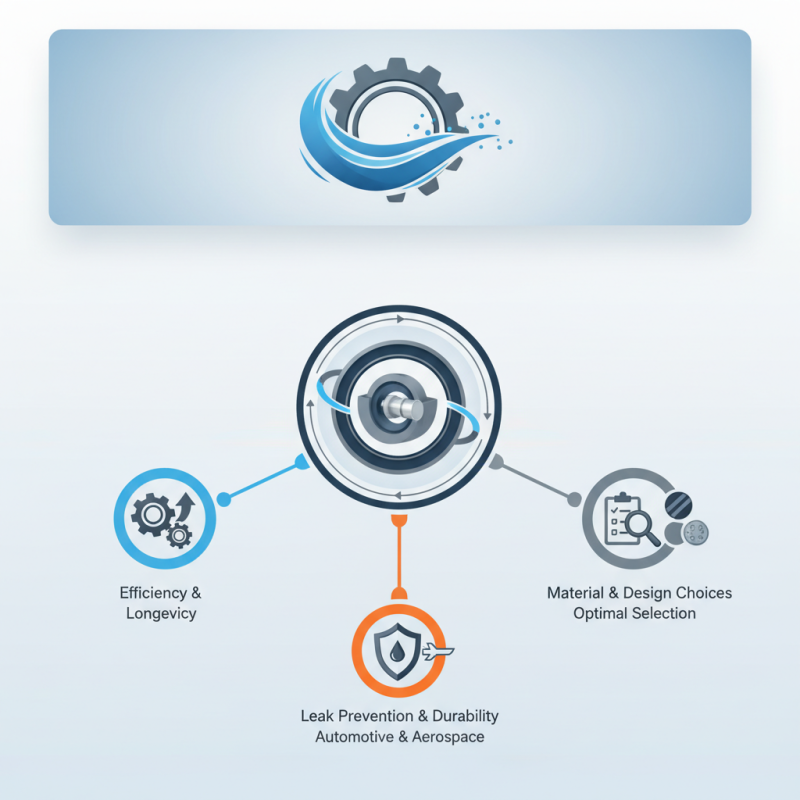
In the realm of industrial applications, the choice of sealing solutions is critical. Experts emphasize that "A reliable Rotary Seal ensures efficiency and longevity," says Dr. Thomas Blake, a leading authority in sealing technology. This statement holds particular weight as industries strive for optimal performance and minimal downtime.
Rotary seals play a vital role in machinery, providing a barrier against leaks and contamination. They are essential in applications ranging from automotive to aerospace. High-quality rotary seals can prevent costly failures and enhance the durability of equipment.
However, the selection process can be complex. Many factors influence the effectiveness of a rotary seal, including material choices and design specifications. Understanding these nuances is key. While there are numerous options available, not all seals are created equal. A thoughtful evaluation is necessary to ensure that the best rotary seal is chosen for specific applications.
Key Features of Rotary Seals in Industrial Applications
Rotary seals are essential in various industrial applications due to their unique design and functionality. These seals effectively prevent fluid leakage and contamination. They are commonly used in machinery where rotating parts are present. Their structure offers a tight seal, reducing wear and tear on components. Choosing the right rotary seal can significantly impact system efficiency and longevity.
One notable feature of rotary seals is their ability to withstand high pressure and temperature. This makes them suitable for demanding environments, such as hydraulic systems and manufacturing processes. However, their effectiveness can diminish if not correctly installed or selected. Engaging with an experienced professional is vital to ensure optimal performance.
Regular maintenance is also crucial. Inspections can identify early signs of wear, preventing breakdowns. This proactive approach ensures reliability in operations. Even with the best seals, occasional issues may arise. Understanding the limitations of rotary seals helps in making informed decisions. Balancing trust in the product with awareness of potential challenges fosters a robust industrial environment.
Advantages of Using Rotary Seals Over Traditional Sealing Methods
Rotary seals have gained popularity in various industrial applications due to their unique advantages. Unlike traditional sealing methods, rotary seals provide enhanced durability and flexibility. They can handle higher rotational speeds and pressure, making them suitable for demanding environments. This increased performance can lead to reduced downtime and maintenance costs.
One significant benefit of rotary seals is their ability to accommodate misalignments. This feature is essential in machinery where perfect alignment is challenging. Traditional seals often fail under such conditions, leading to leaks and equipment failures. In contrast, rotary seals maintain their sealing integrity, thereby increasing the reliability of the system. However, it's important to choose the right material for specific applications, as not all rotary seals are created equal.
Another aspect to consider is the ease of installation. Rotary seals can often be installed with less effort compared to traditional methods. This efficiency can drastically reduce labor costs in manufacturing settings. Yet, improper installation can lead to early failures. Thus, paying attention to installation instructions is crucial. Investing in rotary seals can yield long-term benefits, but organizations must ensure proper selection and installation practices to fully realize these advantages.
Advantages of Rotary Seals Over Traditional Sealing Methods
Common Applications for Rotary Seals in Various Industries
Rotary seals play a crucial role in various industries due to their effectiveness in preventing leakage. In the automotive sector, for instance, these seals are essential for maintaining oil integrity in engines. According to a report by Research and Markets, the global automotive seal market is expected to reach $8.7 billion by 2025, with rotary seals making a significant contribution to this growth. These seals ensure that lubricants stay where they are needed, improving the lifespan of engine components.
In the manufacturing industry, rotary seals are vital in hydraulic applications. A study by Grand View Research highlights that the hydraulic seals market is projected to grow at a CAGR of 5.5% from 2023 to 2030. By preventing the escape of hydraulic fluid, rotary seals help maintain pressure and efficiency in hydraulic systems. However, improper installation or wear can lead to failures, resulting in costly downtime.
The oil and gas sector also heavily relies on rotary seals. Equipment in this industry operates under extreme pressure and harsh conditions. Reports indicate that the demand for reliable sealing solutions in these environments is rising. Even minor leaks can lead to significant safety hazards. Addressing seal degradation periodically is crucial, ensuring that equipment operates smoothly. Costly leaks and unforeseen failures can hinder productivity, showcasing the importance of regular maintenance in sealing applications.
Why Choose Rotary Seal for Your Industrial Applications? - Common Applications for Rotary Seals in Various Industries
| Industry | Common Applications | Benefits of Rotary Seals |
| Automotive | Engine components, transmissions, power steering | High temperature tolerance, effective sealing under pressure |
| Aerospace | Fuel systems, landing gear, hydraulic systems | Reliability at high altitudes, resistance to extreme conditions |
| Oil and Gas | Pumps, compressors, drilling equipment | Durable in harsh environments, preventing leaks |
| Manufacturing | Machinery, conveyor systems, hydraulic presses | Efficient performance, reduced maintenance costs |
| Food Processing | Mixers, blenders, bottling machinery | Compliance with hygiene standards, easy to clean |
Material Selection for Enhanced Performance of Rotary Seals
The selection of materials for rotary seals plays a crucial role in their performance and longevity. In industrial applications, seals often encounter extreme temperatures and varied chemical exposures. A report from the American Society of Mechanical Engineers highlights that improper material choices can reduce seal life by up to 50%. This emphasizes the importance of selecting the right materials to withstand operational challenges.
Elastomers like nitrile and fluorocarbon are commonly used in rotary seals. They show good resistance to oil and temperature fluctuations. However, their performance can degrade if they are exposed to specific chemicals. In contrast, specialty materials like silicone and polyurethane can offer enhanced resistance to certain environments, but may not be suitable for all situations. Industrial leaders must carefully evaluate these materials against the specific operating conditions to avoid premature failure.
Moreover, the economic impact of seal failure is significant. According to research by the International Fluid Power Society, poorly chosen seals can lead to system inefficiencies. This results in increased downtime and repair costs. While some materials may be more cost-effective at first glance, they can lead to higher long-term expenses due to frequent replacements. Therefore, assessing both performance attributes and economic implications is essential for a successful rotary seal application.
Maintenance and Longevity Tips for Rotary Seals in Operations
Rotary seals are essential components in many industrial applications. Their longevity and performance directly impact machinery efficiency. Regular maintenance can significantly enhance their lifespan. Statistics show that improper seal maintenance can shorten service life by up to 50%.
To maximize the longevity of rotary seals, consider these tips. Regular inspections are crucial. Look for wear signs, such as abrasion or crack formation. Proper lubrication must be ensured as well. Use suitable lubricants to reduce friction and prevent damage.
Another important factor is environmental conditions. Harsh temperatures or contamination can degrade seal materials. Monitoring operating conditions can prevent premature failure. Operators should maintain a detailed log of operating parameters to identify patterns that may lead to issues. By implementing these practices, industries can improve the performance of their rotary seals and reduce downtime effectively.