How to Choose the Best Solid Welding Wire for Your Projects?
Choosing the right Solid Welding Wire is crucial for the success of your welding projects. With various options available, it can be overwhelming to make a decision. The quality of the wire significantly affects the strength and durability of the weld. It is important to understand the differences between the types of wires.
Many factors come into play when selecting Solid Welding Wire. These include the material type, diameter, and intended welding application. For instance, using the wrong wire can lead to weak joints or even structural failures. This is a risk that welders cannot afford to ignore.
Experience matters in the selection process. Consulting professionals or reviewing trustworthy resources can help to navigate this decision. Ultimately, investing time in understanding the properties of Solid Welding Wire can yield better results. The right choice enhances project quality and durability, ensuring safety and reliability in all applications.
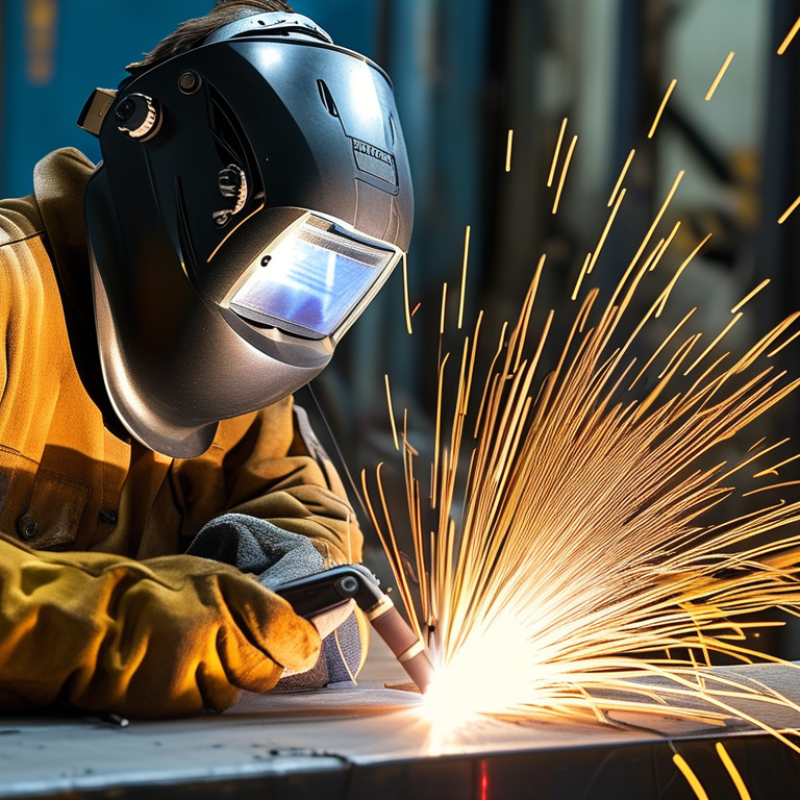
Factors to Consider When Choosing Solid Welding Wire
When selecting solid welding wire, several factors impact your choice. The material type is crucial. Common options include mild steel, stainless steel, and aluminum. Each has unique properties that dictate their use in different projects. Mild steel offers great versatility, while stainless steel resists corrosion. Aluminum is lightweight and ideal for specific applications.
Wire diameter is another important consideration. Thinner wires work well for detailed work and lighter materials. Conversely, thicker wires support heavy-duty tasks and thicker metals. Your project’s requirements will guide this decision. Sometimes, a finer wire might struggle to fuse correctly, leading to poor results.
Additionally, pay attention to the shielding gas used. Some wires perform better with certain gases, which can enhance the weld's quality. Lastly, consider the wire's strength ratings. These ratings indicate how much stress and strain the wire can bear. Selecting the right wire can ultimately shape the success of your welding project, impacting both strength and aesthetics. Reflecting on these details will aid in making a better choice.
Types of Solid Welding Wire and Their Applications
When selecting solid welding wire, understanding the different types available is crucial. Solid welding wire primarily includes ER70S-6, ER70S-3, and ER308L. Each type serves specific applications, making them suitable for various projects.
ER70S-6 wire is ideal for welding mild and low alloy steels. Its versatility makes it a common choice in construction. This wire can handle a range of joint designs, adapting to different thicknesses. However, it may require extra cleaning before use, as contaminants can affect the weld quality.
On the other hand, ER308L is designed for stainless steel applications. It offers excellent corrosion resistance, making it perfect for food processing and medical equipment. This wire can be a bit more challenging to manage due to its sensitivity to heat. Welders often find adjusting their technique is necessary to avoid burn-through. Understanding these nuances will improve project outcomes.
Understanding Welding Wire Specifications and Standards
When choosing solid welding wire, understanding specifications is crucial. Each specification defines the wire's material, diameter, and intended use. Common standards include AWS and ISO. These guidelines help ensure the right choice for your welding project. Pay attention to wire composition. Different alloys can significantly affect strength, ductility, and corrosion resistance.
Tips: Test different wires on scrap metal. This can deepen your understanding of how each performs. Don’t overlook the importance of the wire diameter. A thicker wire provides more weld bead but can lead to difficulties in control.
Welding wire isn’t one-size-fits-all. Each project may require unique characteristics. If you find the wire hard to handle or the welds uneven, it may not be the right choice. Review your specifications and adjust accordingly. Prioritizing quality will improve your results over time. Always keep learning and refining your skills as you gain experience in welding.
Tips for Testing and Evaluating Welding Wire Performance
When selecting solid welding wire, performance testing is crucial. Understand the critical variables that impact weld quality. These include tensile strength, ductility, and heat resistance. According to the American Welding Society, a welding wire with a tensile strength of at least 70,000 psi generally provides good results for steel applications. However, these values may differ based on project requirements.
Test the wire by performing practice welds. This helps evaluate bead appearance and penetration depth. Look for consistency in the bead shape. If defects appear, analyze the wire's compositional elements. Sometimes, a wire with slightly lower specifications may yield better results due to its unique properties.
Evaluate welds under different conditions. For example, humidity and temperature can affect performance. A report from the Welding Institute noted that welds can weaken by up to 30% in extreme conditions. Thus, an extensive testing phase is important for reliable results. Document findings and note any irregularities for future projects.
Maintenance and Storage of Solid Welding Wire for Longevity
When it comes to solid welding wire, proper maintenance and storage are crucial for achieving optimal performance. If not maintained properly, the wire can degrade quickly, affecting the quality of your welds. Store welding wire in a dry, cool environment. This helps prevent rust and corrosion, which can occur with moisture exposure. Use airtight containers when possible.
Tips for storage: Avoid direct sunlight. Sunlight can degrade the wire quality over time. Elevate the storage containers off the ground. This reduces the risk of contamination from dirt or moisture.
Cleaning the wire before use is also essential. Dust and oil can compromise the weld's strength. Utilize a wire brush or a cloth to ensure cleanliness. Regularly check for signs of damage. If you notice kinks or bends, reconsider using that wire. Make sure to rotate your stock as well. Use older wire first to maintain a fresh supply. These simple steps can significantly enhance the lifespan of your solid welding wire and improve your welding projects.
How to Choose the Best Solid Welding Wire for Your Projects? - Maintenance and Storage of Solid Welding Wire for Longevity
| Wire Type | Diameter (mm) | Material | Applications | Storage Conditions |
| ER70S-6 | 0.8 | Mild Steel | General Fabrication | Dry, Cool Environment |
| ER308L | 1.0 | Stainless Steel | Food Processing | Avoid Moisture |
| ER5356 | 1.2 | Aluminum | Marine Applications | Store in a Cool Place |
| ER100S-1 | 1.6 | High Strength Steel | Heavy Fabrication | Keep Dry and Sealed |