How to Choose the Right Shale Shaker Screen for 2026?
Selecting the right shale shaker screen is crucial for effective drilling operations in 2026. The global shale gas market, valued at USD 162.7 billion in 2021, is projected to grow by 20% by the end of 2026. Choosing the appropriate shale shaker screen directly impacts efficiency and costs. Poor choices can lead to increased waste and lower output quality.
shale shaker screens come in various materials and mesh sizes. A mismatch here can result in significant downtime and financial loss. Reports indicate that inadequate screening can decrease drilling efficiency by up to 30%. As such, understanding the specific requirements for your drilling application is non-negotiable.
Moreover, industry trends show a shift towards more durable, innovative materials. These advancements promise increased lifespan and better performance. However, not all options will work for every scenario. It’s critical to evaluate past performance and reflect on the shortcomings of previous choices to enhance future selections. In this evolving landscape, the right shale shaker screen can make a world of difference.
Understanding the Basics of Shale Shaker Screens
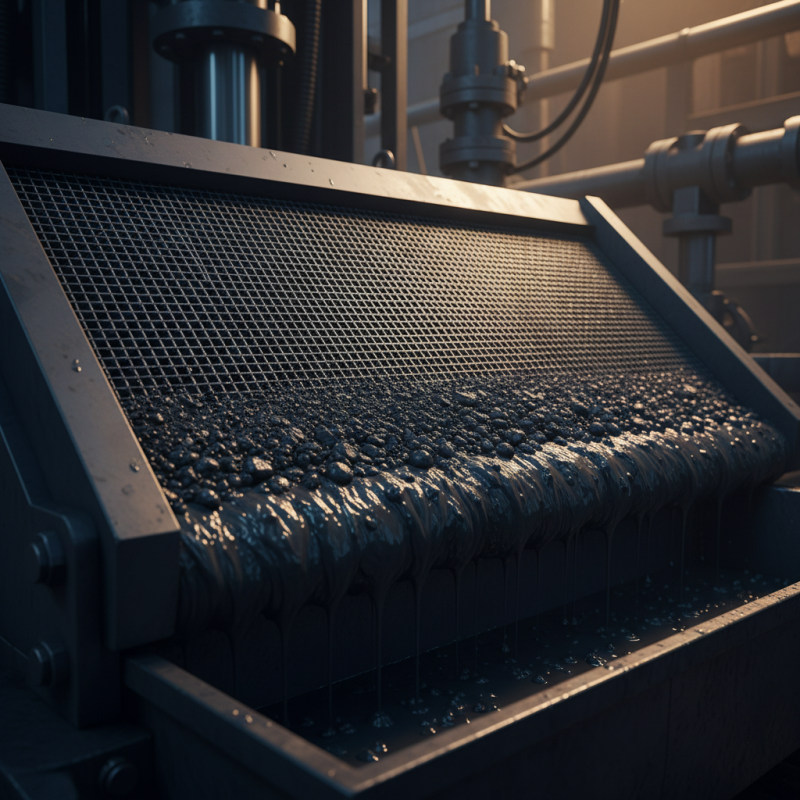
When choosing the right shale shaker screen, understanding the basics is essential. Shale shaker screens are critical in the drilling process, helping to separate solids from drilling fluid. An efficient screen can significantly enhance drilling performance and reduce operational costs.
The screen's mesh size determines its effectiveness. According to the SPE, a well-chosen mesh can reduce solids content by up to 40%. This can lead to improved fluid recovery. It's vital to consider the well type and geological conditions to select the correct mesh. Different formations require different screen types, impacting performance.
Tips: Always monitor the fluid's viscosity. This measure can impact the screen's efficiency. Keep replacement schedules on track to avoid downtime. If screens are damaged or clogged, performance suffers. Small fissures in screens may cause unexpected issues. Regularly inspect screens to maintain optimal conditions. The right choice in screens and maintenance can yield significant savings and efficiency.
Key Factors to Consider When Selecting Shale Shaker Screens
Choosing the right shale shaker screen is crucial for efficient drilling operations. Several key factors impact your decision. Consider mesh size, as it affects fluid flow and the filtration process. A larger mesh allows faster fluid flow but may not effectively separate solids. Conversely, a smaller mesh retains more solids but can slow down fluid movement. Understand your drilling requirements to select appropriately.
Material quality is another critical factor. High-quality screens offer better durability and performance. Screens made from advanced composites tend to be more resilient than traditional materials. This can lead to fewer replacements and overall cost savings. Industry reports suggest that using superior materials can extend screen life by at least 30%.
Tips: Evaluate the production environment. High temperatures or abrasive materials can degrade screens quickly. Always monitor screen performance regularly, ensuring that you replace them before they fail. This proactive approach can save time and reduce downtime. Don't overlook custom designs that can optimize your shale shaker's efficiency based on specific conditions.
Comparing Different Types of Shale Shaker Screens
When selecting a shale shaker screen, it’s essential to compare different types. The efficiency of these screens can greatly affect drilling operations. According to industry reports, screens play a crucial role in removing drilled solids. The right choice can increase fluid recovery by up to 30%.
Mesh size is a vital factor. Coarser screens, such as 20 mesh, are effective for high-viscosity fluids. However, they may miss finer particles. Conversely, finer screens capture more solids but can cause slower flow rates. Balancing these aspects is critical for successful drilling.
Another significant consideration is the material used in the screen. Steel and composite materials each have their pros and cons. Steel screens are robust and provide durability. Yet, they might be heavier and less efficient. Composite screens are lighter and potentially more effective. Still, their longevity under extreme conditions can be questionable. An informed decision requires weighing these factors carefully.
Evaluating Screen Material and Durability for Long-term Use
Choosing the right shale shaker screen for 2026 requires careful consideration of material and durability. The screen’s material greatly impacts its performance. Common choices include plastic and metal. Each has its benefits and drawbacks.
Plastic screens are lightweight, often easy to install, but they may not withstand extreme conditions. Metal screens, on the other hand, offer high durability but can be heavier and expensive. Evaluate your operating environment carefully. Will it face harsh elements? This could impact your choice significantly.
Durability is also a critical factor. A screen's longevity affects overall efficiency. Screens made from composite materials may provide a balanced option. They can handle wear and tear yet remain lightweight. But these materials often cost more upfront. Reflect on your budget constraints. Sometimes, low-cost options can lead to higher replacements later on, creating a false economy. Always weigh short-term savings against long-term needs.
Future Trends in Shale Shaker Screen Technology and Selection
As we approach 2026, the world of shale shaker screens is rapidly evolving. New materials and technologies promise enhanced durability and performance. For example, screens made from advanced composites may improve separation efficiency. This allows operators to optimize drilling fluids with greater precision.
However, selecting the perfect screen is not just about technology. Consider the specific drilling environment. Factors like fluid viscosity and particle size matter significantly. Sometimes, oversights can lead to mismatched screens. Screen selection requires careful thought and an understanding of the drilling process. Not every innovation suits every application.
The future also points towards smart technology integration. Sensors may monitor screen performance in real-time. This data can help in making informed decisions, but the technology must be reliable. The challenge lies in balancing innovation with practical usability. Understanding these trends can guide operators in making better choices in the coming years.