How to Choose the Best Ball Bearing for Your Project?
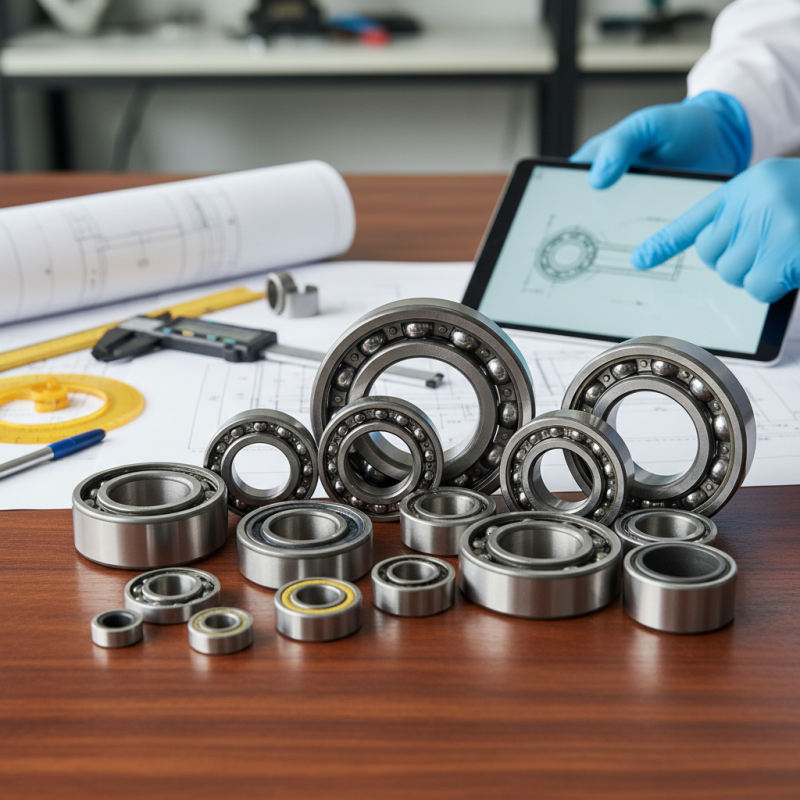
Choosing the right Ball Bearing for your project can be challenging. There are many factors to consider when selecting the best one. The right ball bearing can greatly influence your project's success.
Ball bearings come in various sizes and materials. Each type has unique properties that can affect performance. Consider the load capacity and speed requirements for your project. If you overlook these aspects, you may encounter issues later.
It’s essential to evaluate the operating environment, too. Exposure to dust or moisture can affect ball bearing longevity. Sometimes, picking the right ball bearing isn't straightforward. You might need to experiment and adjust your choice. This process requires reflection and attention to detail. Balancing cost and quality also adds to the complexity. Start with research, and don’t hesitate to ask for expert advice.
Understanding the Functionality of Ball Bearings in Engineering Projects
Ball bearings are essential components in many engineering projects. They reduce friction, support loads, and enhance efficiency. A study by the National Institute of Standards and Technology (NIST) highlighted that the right ball bearing can improve machine performance by up to 20%. This increase directly correlates to reduced energy consumption and longer equipment lifespan.
Choosing the proper ball bearing involves understanding its functionality. Factors like load capacity and speed ratings play critical roles. Each project has unique demands. For instance, high-speed applications may require bearings with ceramic balls. These can reduce heat and improve lifespan compared to standard steel. Yet, the cost-effectiveness of these options often raises questions. Are the performance gains worth the investment?
Moreover, environmental factors can’t be ignored. A report from the American Society of Mechanical Engineers (ASME) states that bearings exposed to corrosive elements may fail sooner. Engineers must consider these details when selecting bearings. Some may overlook this, leading to premature equipment failures. Proper assessment is crucial for project success. Understanding the functionality allows engineers to anticipate challenges and make informed decisions.
Identifying Different Types of Ball Bearings for Specific Applications
Choosing the right ball bearing can significantly impact the performance of your project. Different types of ball bearings serve specific applications, and understanding these can enhance efficiency. For instance, deep groove ball bearings are common in electric motors, while angular contact bearings are ideal for applications requiring high axial loads.
Data shows that over 60% of machinery failures are linked to bearing issues. This statistic highlights the importance of selecting the correct type. For heavy-duty applications, consider spherical roller bearings. They offer exceptional load capacity and can accommodate misalignment. Misalignment can lead to premature wear, which is a risk in many industries.
It’s essential to analyze the environment as well. For instance, if your project involves high temperatures or corrosive materials, special bearings are available. These are designed to resist adverse conditions. Understanding these details can prevent costly repairs. Assessing the specific needs of your application will ensure long-lasting performance.
Key Factors to Consider When Selecting Ball Bearings
When selecting ball bearings for your project, several key factors come into play. One of the most important considerations is load capacity. Knowing the static and dynamic load ratings ensures your bearings will withstand operational stresses. According to industry reports, improperly sized bearings can lead to a 30% decrease in performance and a 50% increase in failure rates.
Another critical aspect is the bearing's material. Different materials can significantly affect durability and efficiency. For example, ceramic bearings are lighter and can withstand higher speeds but may come at a premium cost. Metal bearings, while traditionally stronger in load capacity, may corrode in certain environments. Evaluate the trade-offs based on your project needs.
Tips: Always check the manufacturing tolerances of your chosen bearings. A small tolerance can lead to substantial differences in performance. Also, consider environmental conditions, such as temperature and humidity. A mismatch here can lead to failures. Remember, thorough testing may reveal unexpected weaknesses in your selection process.
Evaluating Material Options for Ball Bearings and Their Impact
When selecting ball bearings, material options are crucial. Stainless steel and ceramic materials are common. Stainless steel offers good strength and corrosion resistance. However, it can corrode under harsh conditions. In contrast, ceramic bearings are lighter and can withstand extreme temperatures. But they are often more expensive and less durable under heavy load.
A study from the Bearing Research Institute shows that bearings can fail due to inadequate material selection. Approximately 40% of bearing failures are linked to improper material choices. That's notable. Choosing the right material can enhance performance and longevity. Bearings made from high-density materials provide better load capacity. Yet, they may also increase wear rates.
Consider the environment in which the bearings will operate. If operating in a wet environment, stainless steel is better. For high-speed applications, ceramic is often preferred. However, not every project requires the highest grade materials. Sometimes, cost and application suitability matter more. It's vital to balance performance with budgetary constraints. This reflection can lead to smarter choices.
Ball Bearing Material Comparison
Maintenance and Longevity: Choosing Durable Ball Bearings
When selecting ball bearings for your project, durability is key. Durable ball bearings can significantly extend the lifespan of machinery. According to industry studies, high-quality bearings can reduce maintenance costs by up to 30%. This is essential for businesses aiming to enhance productivity.
Materials play a crucial role in the longevity of ball bearings. Stainless steel is a popular choice due to its resistance to corrosion. However, some applications require ceramic balls for even greater durability. Each material comes with pros and cons. While ceramic ones are less prone to wear, they can be brittle. Balancing these factors is vital for long-term success.
Another aspect to consider is lubrication. It can greatly affect bearing life. Proper lubrication can increase service life by 50%. Yet, many overlook this critical detail. The right lubricant depends on the environment. Contamination from dust or moisture can lead to premature failure. Regularly checking and maintaining lubrication helps avoid these issues. Even with the best materials, neglect can lead to unexpected breakdowns.