How to Choose the Best Wire Cutters?
Choosing Wire Cutters is not just about finding the sharpest jaws. The right tool should match the material, wire diameter, cutting frequency, and working space. A small flush cutter may leave a neat finish on soft copper, while thicker cable can demand compound leverage and tougher cutting edges. Handle comfort matters, too. A tool that fits one hand may strain another.
Workplace data offers useful context, but it does not tell the whole story. The U.S. Bureau of Labor Statistics reported 2.6 million nonfatal workplace injury and illness cases in private industry for 2023, with an incidence rate of 2.4 cases per 100 full-time workers. That figure covers many causes and occupations, not wire-cutter injuries specifically. Still, it underlines why tool choice, condition, and safe handling deserve attention. OSHA’s hand and power tool guidance also emphasizes using tools suited to the task and inspecting them before use.
This guide compares cutter types, jaw designs, materials, and handle features, then explains how to assess them against real jobs. Look for clean cuts, controlled grip, and a stated capacity that fits your wire—not just a familiar brand name. Check whether the manufacturer specifies use on copper, aluminum, or harder materials; these are not interchangeable claims. There is no perfect cutter. Even a well-reviewed model can feel awkward after an hour, and that is worth admitting before buying.
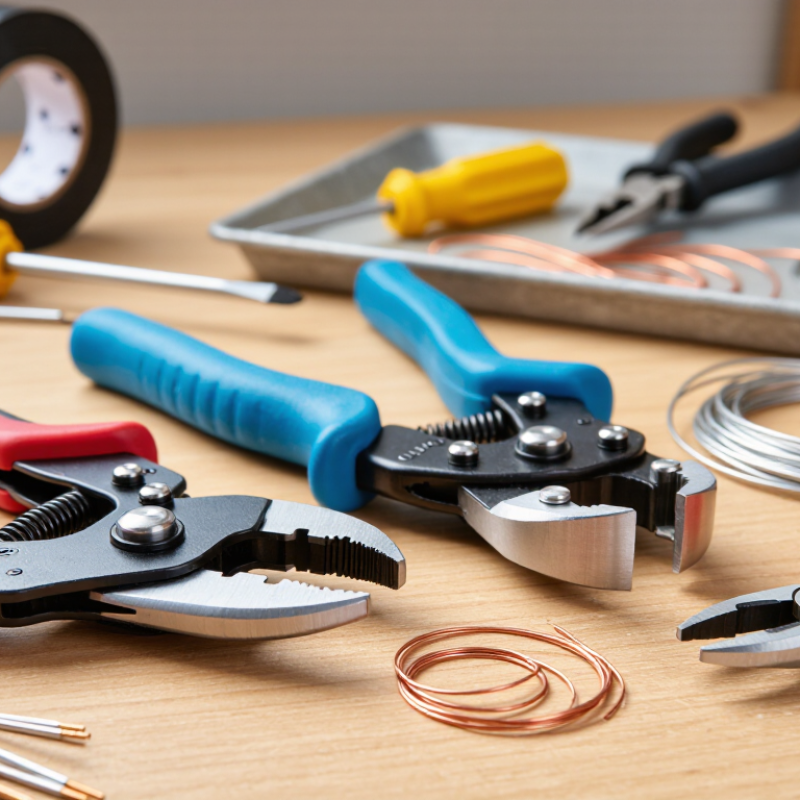
Identify the Materials and Wire Types You Need to Cut
Start by identifying the wire’s material, not just its thickness. Copper and aluminum are relatively soft, but dull or undersized jaws can flatten their strands. Solid conductors usually need a clean, square cut; stranded cable can fray, so choose cutters designed to keep strands together. Steel and stainless steel are harder and require a tool rated for them. Ordinary diagonal cutters may chip or deform if overloaded. Check the cutter’s stated capacity and the wire gauge. A close match matters.
Consider the insulation and cable construction, too. Some cutters are made for bundled or stranded cable, while others work best on single conductors. Don’t assume one tool handles every type. Look closely at the cut end: crushed insulation or splayed strands can signal a poor match, though I still find it easy to blame the tool too quickly. Check the wire itself. Disconnect power and verify the circuit is de-energized before cutting. Insulated handles do not make a tool safe for live work. If you’re unsure about a hard or unusually thick wire, stop and check the cutter’s specifications rather than forcing the jaws.
Compare Wire Cutter Designs and Cutting Mechanisms
How to Choose the Best Wire Cutters?
Compare Wire Cutter Designs and Cutting Mechanisms
Wire cutters differ in both jaw shape and cutting action. Diagonal cutters use crossing blades to shear wire from the side, making them useful for general trimming. End-cutting pliers approach material from the tip, which helps when trimming a protruding wire close to a flat surface. For delicate electronics, flush cutters leave a cleaner, flatter end. They are not meant for thick or hardened material.
The cutting mechanism matters, too. Bypass-style blades pass each other, usually producing a cleaner cut with less crushing. Anvil-style cutters press a blade against a flat surface; they can suit some tougher cuts, but may deform softer wire. For stranded cable, curved jaws or a ratcheting cable cutter can reduce effort and help preserve the strands. Feel the handle action before buying. Smooth movement matters.
Match the tool to the wire’s material and diameter, and check its stated cutting capacity. A cutter that feels strong may still be too small for the job. I’d avoid treating “flush” as “all-purpose”; that assumption is easy to make, and easy to regret. Keep cutting edges clean, and never use a standard cutter on energized wire. The right design depends on the cut you need.
Choose the Right Size, Handle, and Cutting Capacity
Wire cutters should match the wire’s diameter and material, not just its overall size. Compact cutters offer better control in tight spaces and are often suitable for thin craft wire. Thicker copper wire may need longer handles and jaws rated for its diameter. Check the stated capacity for the specific material; copper and hardened steel can place very different demands on the cutting edges. Small details matter.
Handle comfort affects control, especially during repeated cuts. Look for grips that stay secure without forcing your fingers into an awkward position. A spring-loaded design can make frequent work easier, though it may feel less precise in confined spaces. There is no single ideal handle: hand size and task both matter. A soft grip can feel comfortable in a shop, then become slippery with oily hands.
Choose the cutting style for the result you need. Diagonal cutters suit general trimming, while flush cutters leave a neater edge on softer wire. Do not force a small tool through material beyond its rated capacity; the jaws can deform, and the cut may become rough. I would not judge capacity by handle length alone—a larger-looking tool is not automatically rated for tougher wire. Wear eye protection, since short offcuts can spring away.
Evaluate Blade Quality, Comfort, and Safety Features
When choosing wire cutters, inspect the blades before judging the handle color or price. The edges should meet evenly, with no visible gap, nick, or burr. A clean cut through a sample wire matters more than a polished finish. Check the stated cutting capacity and match it to the wire you actually use; forcing undersized cutters can damage the jaws. Hardened steel can resist wear, but poor alignment still produces crushed, ragged ends.
Comfort is practical, not cosmetic. Hold the tool and check whether the grips sit securely in your palm without sharp seams or pressure points. A return spring can reduce repeated hand effort, though it may feel awkward in tight spaces. The U.S. Bureau of Labor Statistics reported 2.6 million nonfatal workplace injuries and illnesses in private industry in 2023. That figure covers many causes, not wire cutters specifically, but it is a useful reminder that small hand-tool choices belong in safety decisions.
Look for a secure grip and a clear, durable cutting-capacity marking. Insulated handles do not automatically make a cutter suitable for electrical work; use only tools explicitly rated for the task. Wear eye protection, since cut wire ends can flick away unexpectedly. Inspect the pivot and cutting edges regularly. I would not assume a cutter is safe just because it feels sturdy. A quick check can still miss hidden wear.
Check Maintenance Needs and Overall Tool Durability
Wire cutters often look similar on a shelf, but their maintenance needs can differ. Check the pivot, cutting edges, and handle connection before buying. A smooth joint should open and close without grinding or excessive play. After cutting, wipe away dust, moisture, or sticky residue with a dry cloth. Dirt left around the pivot can make the tool stiff; a small drop of suitable oil may help. Keep oil off the cutting edges, where it could transfer to wire. Small checks matter. I still find it easy to overlook a stiff pivot until a clean cut becomes harder.
Durability depends on more than the steel. Look for even, well-aligned edges and handles that feel secure without shifting under hand pressure. For regular use, inspect the cutters for chips, rust, or a widening gap between the blades. These signs can lead to crushed or uneven cuts. Store the tool dry, and avoid using it on materials it was not designed to cut. If the handles are insulated, check their condition before each use; cracked or damaged coverings should not be treated as protection. A sturdy pair can last for years, but poor storage can undo that advantage surprisingly quickly.
