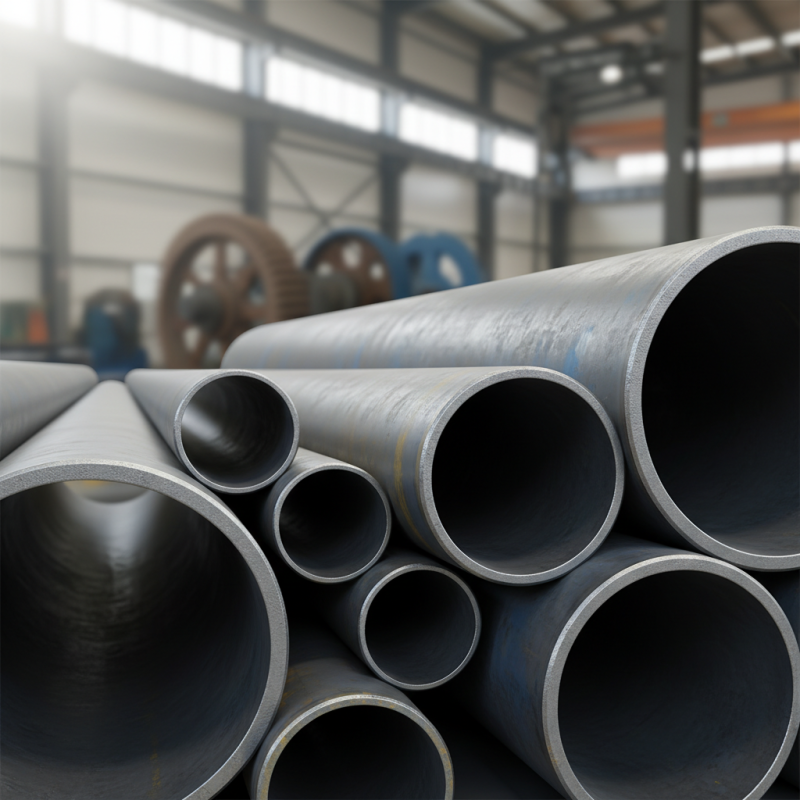
How to Choose the Right Carbon Steel Pipe for Your Projects?
Selecting the right Carbon Steel Pipe for your projects can be challenging. Many factors must be considered. It goes beyond just price and availability. Understanding your project's specific needs is crucial.
Carbon Steel Pipes are widely used in various applications. Their strength and durability make them an excellent choice for construction and industrial projects. However, not all Carbon Steel Pipes are created equal. Each type has its unique properties and ideal uses. This complexity can lead to confusion and oversight.
A common mistake is to overlook the significance of pipe dimensions and specifications. This can result in fitting issues during installation. Another consideration is the environmental factors each pipe will face. Assessing corrosion resistance is vital for longevity. Taking the time to analyze these aspects will lead to a more successful project outcome.
Understanding Carbon Steel Pipe Types and Specifications
Choosing the right carbon steel pipe begins with understanding the types and specifications available. Carbon steel pipes come in various grades, such as ASTM A53 and ASTM A106. Each grade serves different purposes and has distinct properties. For instance, A53 is often used for structural applications, while A106 is more suited for high-temperature services. Knowing the specific requirements of your project can guide this choice.
Another factor to consider is the pipe's size and wall thickness. Pipe dimensions directly impact its strength and flow capacity. For example, larger diameters can carry more fluid but may be more challenging to install. Wall thickness affects durability and resistance to pressure. The common designations, like schedule 40 and schedule 80, provide insight into these specifications. It's vital to reflect on the environmental conditions where the pipe will be installed. Corrosion resistance might be necessary for humid or chemically aggressive environments.
In addition to grades and dimensions, it's crucial to consider the manufacturing process. Welded versus seamless pipes can influence performance under stress. Seamless pipes generally offer better reliability but at a higher cost. Identifying the service conditions your pipes will face helps in making an informed decision. Sometimes, trial and error may be inevitable in selecting the ideal pipe for your project. This exploration allows for better understanding and improvement in future selections.
Evaluating Project Requirements for Carbon Steel Pipe Selection
When selecting carbon steel pipes for projects, understanding your specific requirements is vital. Different applications demand distinct attributes. For instance, projects requiring high tensile strength should consider pipes meeting API 5L specifications. According to the American Petroleum Institute, grades like X60 or X70 can withstand high pressures and harsh conditions. Ensuring durability against environmental factors is essential for longevity.
Corrosion resistance is another key factor. The National Association of Corrosion Engineers reports that at least 30% of pipeline failures are due to corrosion. Evaluating the chemical composition of carbon steel pipes can help mitigate this risk. The addition of alloying elements, like chromium or nickel, can significantly enhance corrosion resistance. This decision should align with the operating environment, whether it be coastal, industrial, or otherwise.
Cost is an ongoing concern in project budgets. Sometimes, opting for low-cost materials can lead to higher expenses later. Various studies suggest that investing in higher-quality pipes may reduce maintenance costs by 25%. Regular monitoring and maintenance can also prolong pipe life, yet this requires upfront knowledge and planning. Balancing initial costs with long-term benefits is crucial in selection.
Key Factors in Choosing Carbon Steel Pipe Sizes and Thicknesses
Choosing the right carbon steel pipe begins with understanding sizes and thicknesses. The American Society for Testing and Materials (ASTM) defines various standards for these pipes. For instance, ASTM A53 is commonly used for structural purposes, while ASTM A106 is suited for high-temperature applications. Knowing the right standard is essential for your project.
Pipe diameter is crucial. Larger diameters can enhance flow rates, but they also influence the pipe's weight and support requirements. According to the American Institute of Steel Construction (AISC), the most common sizes range from 1 inch to 12 inches. For thicker walls, consider the pipe's pressure rating. The schedule number system provides a quick reference for determining wall thickness. For example, Schedule 40 pipes are often used in standard applications, but Schedule 80 is necessary for higher pressure conditions.
Selecting the right thickness and size is not straightforward. Projects may overlook the need for thicker pipes due to initial cost savings. This can lead to failure under pressure. According to a report by the American Society of Mechanical Engineers, inadequate thickness is a common cause of pipeline failures. Assess your specific requirements carefully. Always account for environmental factors and fluid characteristics. Overlooking these can result in costly mistakes.
Assessing Corrosion Resistance and Coating Options for Carbon Steel
When selecting carbon steel pipes for various projects, corrosion resistance is a key factor. Carbon steel is prone to rust when exposed to moisture. To enhance its longevity, protective coatings can significantly improve resistance. Common options include epoxy coatings and galvanization. Each coating has different performance metrics, and they should be matched to the project's environmental conditions.
Tips: Test pipes in similar conditions before full implementation. Evaluate the local humidity and exposure to corrosive elements. This helps determine if extra protection is necessary.
Another consideration is the thickness of the coating. Thicker coatings often provide better protection but can be more expensive. This trade-off must be reviewed based on budget constraints and project longevity. There is always a risk with corrosion, even when precautions are taken. Identifying weak points in the project's environment is essential for planning.
Tips: Regular inspections can help identify early signs of corrosion. Create a maintenance schedule based on the pipe's location and usage. Always remain open to adjusting your strategy based on these assessments.
Comparing Cost and Performance of Various Carbon Steel Pipe Brands
When selecting carbon steel pipes, it's essential to weigh the cost against performance. Different brands can offer varying levels of durability, corrosion resistance, and suitability for specific applications. For instance, some pipes are designed for high-pressure environments, while others may be adequate for less demanding conditions. Understanding these distinctions can prevent costly mistakes in your projects.
Tips: Always review specifications carefully. Look for details like yield strength and tensile strength. Checking the manufacturer's quality certifications can also help ensure you choose a reliable product. Remember, not all brands are created equal, and the least expensive option may not provide the necessary performance.
Choosing the right pipe means assessing both short-term costs and long-term performance. A lower initial price might lead to higher maintenance costs down the line. Evaluate the life cycle of the pipes and how they will perform under expected conditions. This reflection on overall value rather than just upfront costs is crucial for any successful project.