How to Clean and Prevent Disposable Food Container Mold?
The presence of Disposable Food Container Mold can be a troublesome issue for many households. Unattended leftover food and moisture create a perfect environment for mold growth. You may open your container, and instead of enjoying a meal, you’re met with an unpleasant surprise. It’s essential to address this situation before it becomes a recurrent problem.
Knowing how to clean these containers properly is vital. But prevention is equally important. Many people unknowingly contribute to mold by storing food improperly. A little care can go a long way in stopping this issue. Are you washing and drying your containers thoroughly? Do you leave them with lids on tight? These small details can make a significant difference.
Cleaning isn't the only challenge. Understanding mold's favorable conditions can help you prevent its return. Inspect containers regularly, and don’t wait for visible signs. Mold thrives in darkness and dampness. Are you taking the time to ensure your containers are dry? Reflecting on these aspects may help you tackle Disposable Food Container Mold effectively.
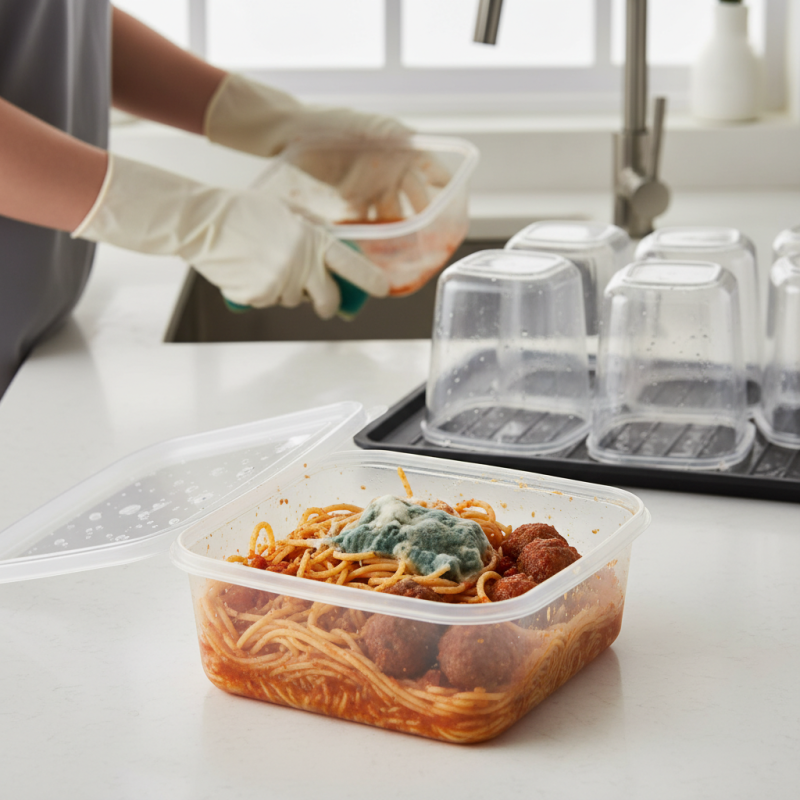
Identifying Mold in Disposable Food Containers
Identifying mold in disposable food containers is essential for keeping food safe. Mold can grow quickly in warm, humid environments. It's often hidden in crevices, making it hard to spot. Look for green, black, or white spots. These colors indicate potential mold growth. Scanning the container closely helps catch it early.
Inspecting the lid and seams is necessary too. Sometimes, mold can thrive there. If containers have been used for days, check them more carefully. Old food residues can foster mold growth. If you notice a musty smell, that’s a red flag. Be mindful, as mold can affect your health. Discard any containers showing signs of mold right away.
Keeping your containers clean prevents mold. However, even with care, accidents happen. It’s a reminder to stay diligent. Regularly wash your containers with hot, soapy water. Always dry them completely before storing. Air circulation helps, so keep them in a well-ventilated space. Finding mold can bring frustration, but it highlights the need for consistent cleaning habits.
Effective Cleaning Techniques for Mold Removal
Mold can thrive in disposable food containers if not properly cleaned. To tackle this issue, it's vital to act quickly. Start by rinsing the container with warm water. This helps to remove any loose food particles and moisture, which mold loves. If the mold is stubborn, try using a mixture of vinegar and water. Spray it directly onto the affected areas and let it sit for a few minutes. The acidity of vinegar is an effective mold killer.
For deeper cleaning, baking soda is a great option. Create a paste with water and apply it to the mold spots. Scrub gently with a brush or sponge. After scrubbing, rinse thoroughly. This technique can lift stubborn stains and ensure your containers are mold-free. But remember, if mold persists, you might need to replace the container.
Prevention is also key. Store your containers in a cool, dry place. Avoid stacking them while they're damp. It’s easy to overlook these little details. Sometimes, a simple oversight can lead to bigger mold issues later on. Take a few moments to ensure your containers are completely dry before storing them. Keeping a keen eye on these habits will help you maintain mold-free storage.
Best Practices for Preventing Mold Growth
Mold loves damp and warm environments. To prevent mold growth in disposable food containers, keep them dry and clean.
Always wash containers with hot, soapy water before storing. Rinse thoroughly to remove any residue that might attract mold.
Storing containers in a cool, dark place helps too. Avoid stacking them if they are even slightly damp. Use a towel to dry them before putting them away. Check them regularly for signs of mold. A small spot now can turn into a bigger problem later.
Sometimes, we overlook simple things. Leftovers in the fridge can spill into containers, creating a breeding ground for mold. It's easy to forget to check them. Staying vigilant is key. Addressing mold growth early can save you headaches later on.
Choosing Mold-Resistant Food Storage Options
Mold-resistant food storage options are essential for maintaining food safety. When selecting containers, choose those made from materials that inhibit mold growth. Glass or stainless steel containers are excellent choices. They do not retain moisture like some plastics can. Plus, they are easier to clean.
Using lids that seal tightly can also help prevent moisture buildup. Plastic lids often create an airtight seal, making them ideal for storage. However, be cautious with old containers. They may develop small cracks where mold can hide. Check your containers regularly for any signs of wear. This small step can save you from unwanted surprises later.
Another helpful tip is to avoid overcrowding your containers. When you pack food too tightly, it creates a humid environment. Mold loves humidity. Leave some space in your containers to encourage airflow. This simple practice can significantly reduce the risk of mold growth.
Mold Resistance of Different Food Container Materials
Tips for Proper Disposable Container Disposal and Recycling
When it comes to disposable food containers, proper disposal and recycling are crucial. Many people toss these containers in regular trash without thinking. This action leads to a significant environmental impact. Instead, consider recycling options available in your community. Check local guidelines on what types of containers can be recycled. It can be surprising to learn what is accepted!
Some containers are often not recyclable due to contamination. Grease and food residues can ruin recycling efforts. Ensure containers are clean before disposal. Rinse them quickly to avoid mold growth. It might feel tedious, but it helps in the long run. If cleaning is overlooked, you may find yourself dealing with moldy containers in your trash.
Many communities offer programs for safe disposal of non-recyclable items. Seek out local initiatives that promote reduced waste. Participation can make a real difference. Remember that every small action counts. Engaging more actively in the recycling process may challenge habits, yet it promotes a healthier planet. Finding ways to be more diligent about waste can inspire others in your neighborhood.