How to Diagnose Center Bearing Problems in Your Vehicle?
In the world of automotive maintenance, diagnosing issues with the Center Bearing is crucial. According to John Smith, a renowned expert in vehicle mechanics, "A faulty center bearing can lead to severe drivetrain problems." This statement underscores the importance of timely diagnosis.
When it comes to center bearings, even minor symptoms can escalate into major troubles. Unusual vibrations, noise during acceleration, or signs of wear can indicate trouble. Each vehicle may exhibit unique symptoms, making diagnosis challenging. It's not uncommon for mechanics to encounter overlooked center bearing issues, which can complicate repairs.
Understanding center bearing problems requires a keen eye. Drivers should pay attention to any changes in their vehicle's performance. Ignoring these signs can lead to costly repairs down the line. It’s vital to reflect on your vehicle’s behavior and act proactively. The center bearing may be small, but its role is significant, making proper diagnosis essential for vehicle health.
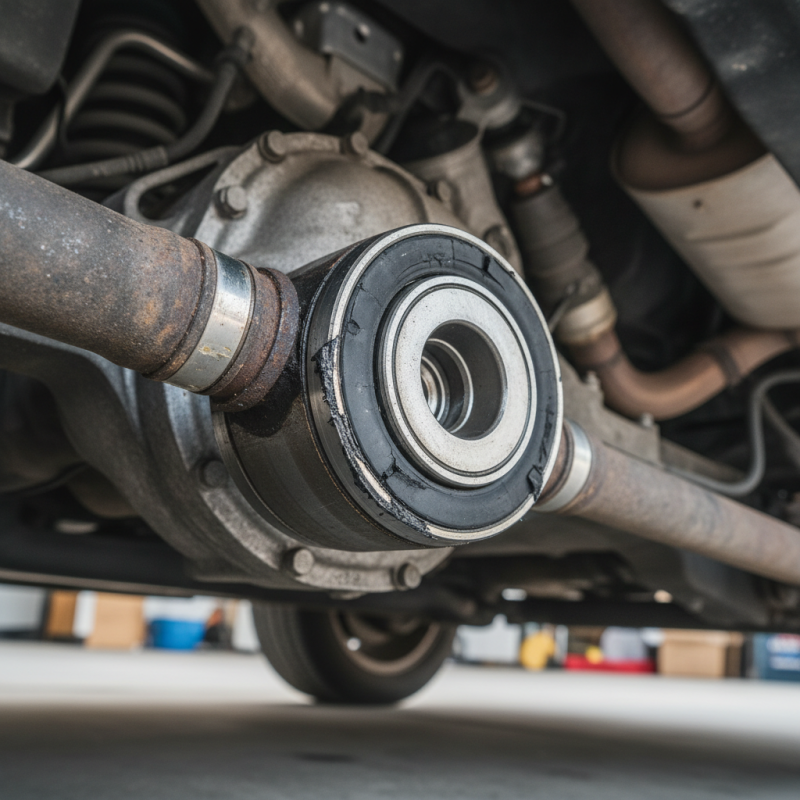
Understanding the Function of the Center Bearing in Vehicles
The center bearing plays a crucial role in vehicles with a two-piece driveshaft. It helps support the driveshaft and reduces vibrations. A faulty center bearing can lead to problems, including excessive noise and handling issues.
When the center bearing wears out, you may notice strange sounds coming from beneath the vehicle. These noises often increase with speed. You might also feel vibrations in the cabin, especially during acceleration. In severe cases, the driveshaft could misalign, leading to more significant damage.
Regular inspections can help catch issues early. Look for signs like cracks or tears in the bearing's rubber. Checking for play in the mounting can also reveal potential problems. If you suspect a center bearing issue, getting a professional opinion can prevent further damage. Working on these parts can be tricky, and mistakes may lead to heavier repair costs down the line. Taking proactive steps can save time and money.
Common Symptoms of Center Bearing Problems
Center bearings play a critical role in maintaining vehicle stability. When problems arise, several symptoms signal the need for diagnosis. One common symptom is unusual vibrations while driving. These vibrations often feel more pronounced at higher speeds and can indicate misalignment or wear on the bearing. According to industry reports, around 30% of vehicle vibration issues stem from bearing failures.
Another symptom to watch for is a noticeable increase in noise. Unusual clunking or humming sounds can emerge, particularly during acceleration or deceleration. The National Highway Traffic Safety Administration suggests that noise complaints account for nearly 25% of maintenance tickets related to drivetrain issues. These sounds often signal that the center bearing is under stress or failing.
Drivers should also be aware of changes in handling. A compromised center bearing can lead to a feeling of looseness in steering. This can manifest as a drifting sensation, especially during turns. If you experience these symptoms, it’s crucial to address them promptly. Ignoring these signs can lead to more extensive damage and costly repairs down the line. Monitoring your vehicle’s performance closely is essential for maintaining safety and reliability on the road.
Common Symptoms of Center Bearing Problems
Step-by-Step Diagnostic Process for Center Bearing Issues
Diagnosing center bearing problems can seem daunting. Start by listening for unusual noises. A clunking or grinding sound may indicate an issue. These noises often arise during acceleration or deceleration. If you notice vibrations, especially at higher speeds, it’s another red flag. Inspecting these symptoms thoroughly is crucial.
Next, visually inspect the bearing itself. Look for signs of wear, rust, or misalignment. A worn or damaged rubber insulator can lead to severe problems. It’s easy to overlook this step. Don't forget to check the mounting points. Loose bolts can compound issues. Tightening them may solve minor problems.
Finally, take a test drive. Pay attention to how the vehicle handles. Does it shake? Are there any strange noises during turns? Noticing these details helps in pinpointing issues. If the problem persists, consider seeking professional help. Self-diagnosis can save time and money, but some issues might require expert attention. Being thorough in your assessment is key.
Tools and Equipment Needed for Diagnosing Center Bearing Problems
Diagnosing center bearing problems in your vehicle requires specific tools and equipment. Start with a universal joint removal tool. This tool helps you remove the drive shaft, giving you better access to the center bearing. A socket set is also essential. Ensure the sockets fit various sizes of bolts on the drive shaft.
Vibration analysis tools can detect issues. These devices measure vibrations and help pinpoint center bearing problems. A handheld scanner can also be useful. It reads diagnostic trouble codes, guiding your troubleshooting efforts. Additionally, having a torque wrench is important. It ensures that you tighten bolts to the manufacturer's specifications.
Tips: When using tools, always wear safety gear. Take your time during the diagnosis. If something doesn't seem right, double-check your work. Sometimes, rechecking can reveal hidden issues. It's easy to overlook small details, leading to bigger problems down the line.
Best Practices for Repairing or Replacing a Malfunctioning Center Bearing
Diagnosing center bearing problems is crucial for vehicle maintenance. A malfunctioning center bearing affects drivability and can lead to costly repairs if ignored. When diagnosing, pay attention to symptoms like vibrations, unusual noises, or difficulty in steering.
If you determine that the center bearing is faulty, repairing or replacing it is key. Many mechanics suggest regular inspections as part of vehicle maintenance. According to industry reports, up to 15% of driveline issues stem from worn center bearings. This highlights the need for timely intervention.
**Tip:** Always inspect the condition of rubber mounts during a replacement. They can wear out too, affecting performance.
When it comes to replacement, using high-quality bearings is essential. While cheaper options may exist, they often lead to future issues. Data shows that quality parts can double the lifespan compared to lower-grade alternatives.
**Tip:** Take the time to check alignment after replacement. Misalignment creates undue stress on the bearing, shortening its life. Remember that sometimes, a simple fix can lead to long-term benefits. Regular checks are often overlooked but are vital for maintaining vehicle health.