What is Electric Ball Valves and How Do They Work?
Electric Ball Valves are crucial components in modern industrial applications. Their design offers significant advantages over traditional valves. As industry expert Dr. Sarah E. Thompson once stated, “Electric ball valves enhance efficiency and simplify control mechanisms.” This statement highlights the growing importance of these devices.
These valves operate by using an electric actuator to open and close the valve quickly. Their compact structure allows them to fit into tight spaces while providing reliable operation. Electric ball valves are often used in various settings, from water treatment plants to oil and gas industries. The precision of their functioning is noteworthy, yet they can be sensitive to electrical failures.
Despite their benefits, not all electric ball valves perform equally. Some models may struggle under high-pressure conditions or extreme temperatures. Users must carefully consider their specific needs and potential limitations. Refining the selection process is vital to ensure that the chosen valve can handle the operational demands placed on it.
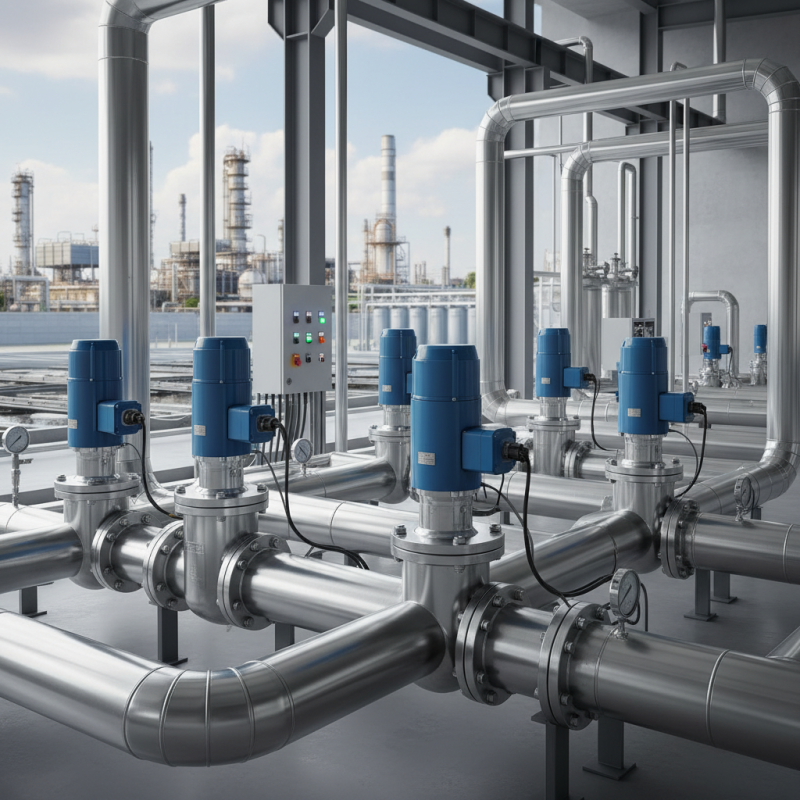
What Are Electric Ball Valves? Definition and Key Characteristics
Electric ball valves are essential components used in fluid control systems. They consist of a ball with a hole in the center, which opens or closes flow when rotated. This design ensures minimal resistance to flow, making them efficient for many applications. Electric actuation provides precise control over the valve position, enabling automated systems.
These valves are commonly made from stainless steel or plastic, depending on the medium being controlled. Their key characteristics include durability, quick response times, and low power consumption. Installation can be straightforward but requires careful consideration of the electrical connections. Remember that improper wiring can lead to malfunction.
Tips: Always check the operating voltage before installation. A mismatched voltage may damage the actuator. Regular maintenance can prolong the valve's life, so don't neglect this aspect. Additionally, consider the fluid's temperature and pressure ratings to ensure optimal performance. Understanding these factors can prevent costly mistakes.
Principle of Operation: How Electric Ball Valves Control Flow
Electric ball valves are essential components in various fluid control systems. They create a tight seal when closed, preventing leaks. The electric actuator connected to the valve allows it to respond swiftly to signals, opening or closing to regulate flow. This action offers precise control, essential in industrial applications, HVAC systems, and irrigation.
The principle of operation relies on an actuator that turns the valve ball. When activated, the actuator rotates the ball, aligning or misaligning a hole with the flow direction. This straightforward mechanism ensures minimal pressure loss. However, challenges can arise during installation or calibration. If not aligned properly, the valve may not function as intended.
Regular maintenance is crucial for electric ball valves. Factors like debris, corrosion, or electrical failures can lead to operational issues. Keeping these components clean and well-adjusted often requires more attention than anticipated. Occasional adjustments might be necessary to maintain efficiency. Users must regularly inspect their systems to reveal any hidden concerns that could disrupt the flow.
Comparison of Electric Ball Valves and Traditional Valve Types
Electric ball valves are revolutionizing fluid control in various industries. They function using an electric actuator that precisely opens or closes a ball valve. This provides quick and reliable operation. In comparison, traditional valves often rely on manual operation or pneumatic systems. This can lead to delays and inefficiencies in critical processes.
One key difference lies in their response time. Electric ball valves can operate much faster than traditional ones. This efficiency is crucial in automated systems where speed is vital. However, the complexity of electric ball valves can sometimes create maintenance challenges. Regular checks are needed to ensure the actuator and electronics remain functional.
**Tips:** Always consider the power source for electric ball valves. A reliable power supply is essential for optimal performance. It’s also wise to evaluate the environment where the valve will be installed. Factors like temperature and humidity can impact performance. In contrast, traditional valves may have a simpler, more robust design, but they require manual labor and can slow down operations. Each type has its strengths and weaknesses, and understanding these helps in making the right choice.
Comparison of Electric Ball Valves and Traditional Valve Types
Industry Applications: Where Electric Ball Valves Are Commonly Used
Electric ball valves are increasingly important in various sectors. Their accuracy and efficiency make them ideal for precise control of fluid flow. In the oil and gas industry, the demand for reliable control systems is critical. According to a recent report by Global Market Insights, the electric valve market in this sector is projected to grow by 9% annually until 2025.
Water management facilities also utilize electric ball valves extensively. These valves offer quick shut-off capabilities and reduce leakage risk. A study from Reports and Data highlights that around 30% of water utilities have adopted electric actuated valves. This shift not only enhances operational efficiency but also aids in conserving resources. Despite the benefits, some industries still face challenges in implementation.
In the chemical processing industry, electric ball valves provide effective isolation of hazardous materials. However, not all facilities have fully integrated these systems. Issues such as high installation costs and required maintenance remain barriers. Still, the potential for reduced downtime and improved safety measures offers compelling arguments for hopeful advancement in these applications.
Maintenance and Performance Efficiency of Electric Ball Valves
Electric ball valves are critical components in various industries, providing efficient flow control. However, their performance efficiency greatly hinges on proper maintenance practices. Regular checks can prevent malfunctions. A report from the American Society of Mechanical Engineers notes that 30% of valve failures arise from inadequate maintenance. This statistic underlines the importance of a robust maintenance program.
Incorporating routine inspections can significantly enhance the lifespan of electric ball valves. Lubrication, for example, can reduce friction, leading to smoother operations. However, mismanagement or over-lubrication can result in buildup. This can ultimately hinder valve functionality. A study published in the Journal of Industrial Technology reveals that valves maintained properly function at 95% efficiency, while neglected valves drop to as low as 60%.
Monitoring the alignment and seals is vital. Misalignment can cause significant wear and tear. Additionally, environmental conditions should not be overlooked. Extreme temperatures and corrosive substances may lead to reduced performance. Addressing these factors is essential for maximizing efficiency, yet many systems still lack comprehensive maintenance plans, resulting in lost productivity and unexpected costs.
What is Electric Ball Valves and How Do They Work? - Maintenance and Performance Efficiency of Electric Ball Valves
| Parameter | Description | Typical Range |
| Operating Voltage | The voltage at which the electric ball valve operates | 24V AC/DC, 110V AC, 230V AC |
| Body Material | Material used for the valve body | Stainless Steel, Brass, PVC |
| Temperature Range | The operational temperature limits of the valve | -20°C to 120°C |
| Flow Rate | Maximum flow capacity through the valve | 3/4 inch to 4 inch |
| Control Type | Type of control mechanism employed | On/Off, Automated |
| Maintenance Frequency | Recommended interval for servicing | Annually |
| Lifespan | Expected operational duration of the valve | 5-10 years |