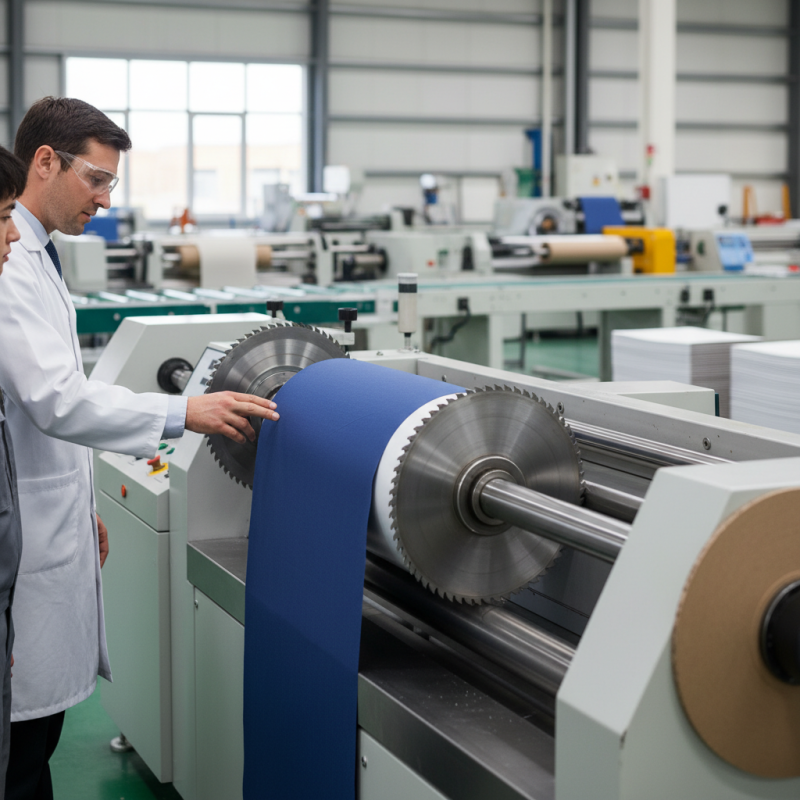
Essential Tips for Choosing a Slitter Cutter Machine?
Selecting the right Slitter Cutter Machine is crucial for any production line. According to industry expert John Smith, “The right machine can significantly enhance efficiency and precision.” In today's competitive market, every detail matters.
When choosing a Slitter Cutter Machine, consider factors such as cutting speed and blade quality. These features can drastically affect your output. Users often overlook maintenance needs, which can lead to downtime and costly repairs.
It's essential to evaluate your specific needs before purchasing. Do you require a machine that can handle various materials? Reflect on your production goals. A mismatch between your needs and the machine's capabilities may lead to subpar results. Always seek expert advice if you're unsure. Invest time in understanding your options; it can save you from future regrets.
Understanding the Basics of Slitter Cutter Machines
Slitter cutter machines are vital in various industries. They help convert large rolls of materials into smaller, workable sizes. Understanding how these machines operate can assist in making better choices for your needs. It is essential to know the type of material you are working with. Different materials require different cutting styles. Some machines handle paper well, while others are better for films or foils.
When considering a slitter cutter, think about the machine's capacity. This includes the maximum width and thickness of the material. Not all machines can handle heavy-duty tasks. Pay attention to the speed as well. A faster machine may seem ideal, but it can lead to more waste if not monitored closely. Operators must maintain focus to ensure a smooth operation.
Remember, the features offered by a slitter cutter can vary widely. Look for adjustable blades that allow for precision cutting. A digital interface can enhance ease of use. However, this might also introduce a learning curve. It’s crucial to weigh the pros and cons before making a decision. Investing time in understanding these elements will be beneficial in the long run.
Performance of Different Slitter Cutter Machines
This chart illustrates the cutting speed of various slitter cutter machines, helping to visualize their performance and assisting in the selection process.
Factors to Consider When Selecting a Slitter Cutter Machine
When selecting a slitter cutter machine, several key factors demand attention. The materials you plan to process greatly influence your decision. For instance, some machines handle paper, while others are designed for plastics or metals. Reports indicate that the demand for versatile machines is rising, with a projected market growth rate of 5.4% annually in the packaging sector. Users should evaluate the machine's adaptability to different materials and thicknesses.
Another important aspect is the machine's speed and precision. A well-optimized machine can significantly enhance production efficiency. However, higher speeds can lead to reduced quality in cuts. Balancing speed with precision can be challenging. A study found that 40% of manufacturers face issues in maintaining consistent cut quality under high-speed operations. It’s crucial to assess this balance based on anticipated production volumes.
Additionally, consider the maintenance requirements of the machine. A lower upfront cost might lead to higher long-term expenses if maintenance is neglected. Machinery requiring regular calibration could disrupt workflow. Investing in training for operators may enhance performance but can increase initial costs. Identifying these trade-offs is essential for making an informed choice.
Different Types of Slitter Cutter Machines Available in the Market
When exploring the world of slitter cutter machines, understanding the types available is crucial. There are several categories. Each variant caters to specific needs. The most common types include rotary slitters, shear slitters, and razor blade slitters. Rotary slitters excel in cutting flexible materials. They are fast and efficient. Shear slitters are ideal for thicker materials. They offer clean cuts and are versatile. Razor blade slitters are often used for paper and film. They provide high precision but may require more maintenance.
A market report from Smithers Pira indicates that the demand for slitter cutters is growing. Manufacturers are expanding their product lines. Innovations are leading to better efficiency and lower waste. The report shows that 45% of companies focus on energy-efficient designs. This trend reflects the industry's commitment to sustainability.
Despite advancements, many users struggle with machine selection. Often, they underestimate operational requirements. This can lead to inefficiencies in production.
In addition to types, factors like blade material and cutting precision matter. Some recommend carbides for durability. Others might suggest high-speed steel for cost efficiency. It’s important to analyze your specific needs. Each choice comes with trade-offs.
Industry experts stress the importance of understanding these elements. Making uninformed decisions can cost time and money. Balancing quality with budget is challenging but essential. Understanding the various types helps you make informed decisions.
Evaluating the Performance and Specifications of Slitter Cutters
When selecting a slitter cutter machine, evaluating performance and specifications is crucial. Look into cutting accuracy, speed, and material compatibility. Industry data shows that machines with a tolerance level of ±0.1 mm can significantly enhance product quality. This accuracy minimizes waste and improves operational efficiency. Some machines may claim superior precision but fail in real-world scenarios.
Furthermore, consider the speed of the cutter. High-speed slitter cutters can boost productivity dramatically. Reports indicate that machines operating at speeds over 200 meters per minute can optimize production lines effectively. However, the sustained quality at such speeds should be examined closely. Occasionally, machinery may sacrifice precision for speed, leading to potential rework and higher costs.
Pay attention to the materials the machine can handle. Compatibility with various materials, such as films, foils, and papers, is essential. A versatile cutter offers flexibility for different projects. In a dynamic market, adaptability can drive competitiveness. Yet, not all machines excel in this area. Some may struggle with thicker materials, leading to unsatisfactory results. With careful evaluation, you can find a suitable option that meets your specific needs.
Maintenance Tips for Extending the Lifespan of Slitter Cutter Machines
Maintaining slitter cutter machines is crucial for optimal performance. Regular checks on blade sharpness can prevent poor cuts. Dull blades lead to uneven edges and wasted materials. Keeping the blades clean helps maintain their effectiveness. Residue buildup can cause them to wear out faster.
Lubrication is essential for moving parts. Use appropriate lubricants to reduce friction. It can minimize wear and tear on components. Ignoring this can disrupt operation and lead to failures. Inspecting belts and gears should not be overlooked. A misaligned belt can cause additional strain on the motor.
Regularly reviewing the machine's operation log can reveal patterns. Identifying recurring issues helps address underlying problems. Sometimes, maintenance can feel tedious. But neglecting it can lead to expensive repairs. Taking time for these tasks can prolong the machine’s lifespan significantly.