How to Tell if Your Chocolate Has Expired?
Chocolate is a beloved treat enjoyed by many. However, Chocolate expiration can lead to disappointment and even health concerns. Knowing how to identify if your chocolate has gone bad is essential for every chocolate lover.
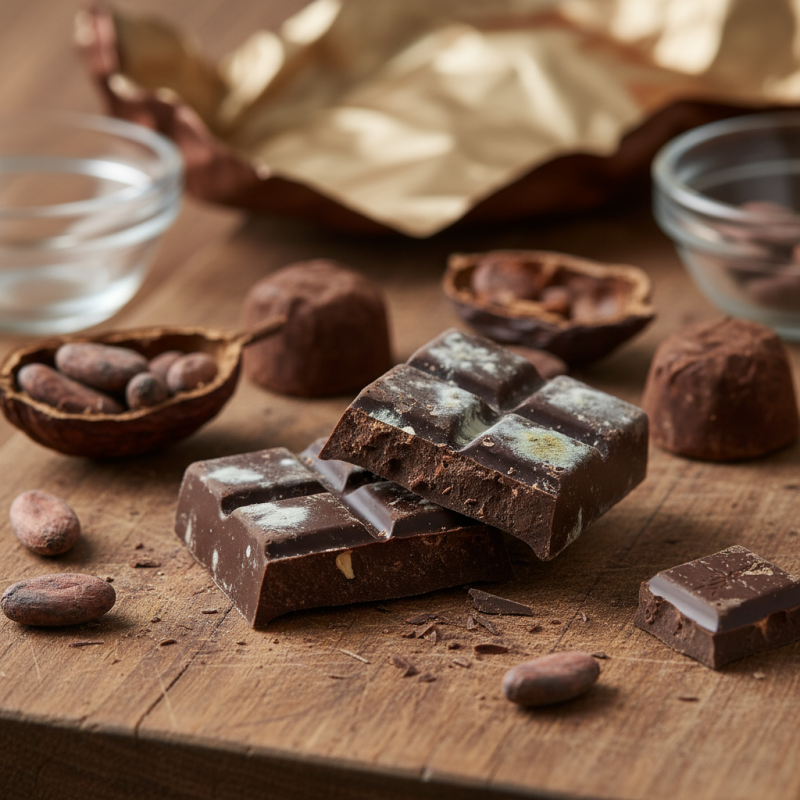
When chocolate expires, its flavor and texture change significantly. You might notice white spots or a dull appearance. This is often due to fat bloom, a natural occurrence, but it indicates that the chocolate is no longer at its best. Consuming expired chocolate may not always be harmful, but it can taste stale or off.
Always check the packaging date and storage conditions. If chocolate has been improperly stored, it may spoil sooner. The scent and taste also provide clues. A rancid or unusual smell is a definite sign. Trust your senses—if in doubt, it’s better to err on the side of caution and refuse that piece of chocolate.
Signs of Expiration: Visual Inspection of Chocolate
When it comes to chocolate, visual inspection is crucial to determine if it has expired. Chocolate can last a long time, but signs of spoilage can appear. One common visual indicator is the presence of white streaks or spots, often called "bloom." This occurs when cocoa butter rises to the surface. While it may not be harmful, it affects texture and flavor.
Another sign is discoloration. If your chocolate has turned dull or greyish, it may be past its prime. Texture changes, such as cracks or hardening, can also indicate the chocolate has aged. According to a study by the National Confectioners Association, well-stored chocolate can last up to two years, but this depends on storage conditions.
Tip: Store chocolate in a cool, dry place, away from strong odors. This helps maintain its quality and extend shelf life.
Lastly, check for signs of moisture. Any dampness can lead to mold. If you see any, don't take a chance—it's best to discard it. Always trust your senses. If chocolate looks off, it’s likely not worth the risk.
Smell Test: Identifying Off Odors in Chocolate
Chocolate is a beloved treat, but it can go bad. One of the best ways to tell if chocolate has expired is through the smell test. Fresh chocolate has a rich aroma that is inviting. When chocolate begins to spoil, it develops off odors. These can range from sour to musty, indicating something is wrong.
When you pick up a piece of chocolate, take a moment to smell it. A strong, unpleasant odor signals that the chocolate is no longer good to eat. It might smell like old nuts or even moldy paper. Sometimes, the scent can surprise you if you are not careful. Chocolate with a rancid odor won't taste good either.
Don't just rely on the expiry date. Trust your senses. If you notice any strange smells, it's better to be safe than sorry. Chocolate should evoke happiness, not uncertainty. Reflecting on these details can enhance your chocolate experience. Always remember, fresh chocolate should smell delightful. If it doesn't, it’s time to let it go.
How to Tell if Your Chocolate Has Expired? - Smell Test: Identifying Off Odors in Chocolate
| Chocolate Type | Expiration Date | Best Before Date | Smell Test Result | Comments |
| Dark Chocolate | 2022-05-01 | 2023-05-01 | No off odors | Still good to eat. |
| Milk Chocolate | 2022-10-15 | 2023-10-15 | Slightly sour | Should not be consumed. |
| White Chocolate | 2021-12-01 | 2022-12-01 | Rancid odor | Dispose of immediately. |
| Chocolate with Nuts | 2023-01-10 | 2024-01-10 | No unusual smell | Still fresh. |
| Chocolate Covered Caramels | 2022-09-20 | 2023-09-20 | Sweet smell | Safe to eat. |
Texture Changes: What to Look for in Expired Chocolate
When chocolate expires, its texture can reveal important indicators. Fresh chocolate is smooth and glossy. However, over time, it may develop a whitish coating. This is known as bloomed chocolate. According to industry reports, 25% of chocolate consumers mistakenly believe bloomed chocolate is unsafe, when it’s typically a result of fat or sugar crystallization.
An expired chocolate may become dry or crumbly. A normal piece should break cleanly and snap easily. If it feels greasy or has a powdery coating, these are signs of deterioration. Additionally, if it has a gritty texture, this could indicate significant age or improper storage. Reports suggest that improper storage can reduce a chocolate's shelf life by 50%.
While chocolate may not pose health risks after expiration, its enjoyment can diminish. The texture changes impact mouthfeel, reflecting a decline in quality. If you’re a chocolate lover, these signs are critical. Consider using visual and tactile checks to assess freshness, ensuring your chocolate experience remains delightful.
Taste Test: Understanding Flavor Alterations in Chocolate
When it comes to chocolate, flavor alterations can tell you much about its quality. Chocolate might look fine, but its taste can change significantly as it ages. A simple taste test can reveal these changes. Take a small piece and savor it slowly. The richness should be prominent, with a balance of sweetness and bitterness.
If the chocolate tastes dull, it may have expired. Sometimes, chocolate can develop a stale or waxy mouthfeel, which indicates it’s past its prime. The aroma is also a key indicator. Fresh chocolate has a delightful scent that entices you. If the smell is faint or musty, that’s a red flag.
The texture of chocolate can shift over time, too. Notice if it feels gritty or chalky. Ideally, it should melt smoothly in your mouth. Pay attention to any strange aftertastes. These could signal that the chocolate has gone bad. Experiment with a few pieces, and trust your senses. Sometimes, our perception can be flawed, so reflect on what each taste tells you. Chocolate is meant to be a delightful experience, not a gamble.
Chocolate Flavor Alterations Over Time
Storage Tips: How to Extend the Shelf Life of Chocolate
Storing chocolate properly can greatly extend its shelf life. Chocolate should be kept in a cool, dark place, ideally at a temperature between 60°F and 70°F. Avoid areas near heat sources, like ovens or stoves.
Humidity can also spoil chocolate, so it's vital to keep it in a dry environment. An airtight container works wonders in preventing moisture and odors from affecting your chocolate.
It’s easy to forget about chocolate tucked away in the pantry. However, a little care can prevent disappointment. If chocolate develops a white film, known as bloom, it may not be spoiled, but it might not taste as good. This can happen due to temperature changes. Inspect for texture and smell too. If it feels grainy or has an off odor, reconsider eating it.
Don't rush through storage. Attention to detail matters. Label containers with dates to track freshness. Keep different types of chocolate separately, as flavors can transfer. Think about your choices. Do you really need that extra bar, or could it go bad? Checking your stash more frequently can help you enjoy chocolate at its best.