What is HSS Circular Saw Blade and How to Choose It?
When choosing the right tool for efficient cutting, the hss circular saw blade stands out. Known for its durability and precision, this blade is essential in both professional and DIY projects. Made from high-speed steel, it excels in cutting various materials, including wood and metal. Understanding the features of hss circular saw blades is crucial for every user.
Selecting the ideal hss circular saw blade can be challenging. Users often overlook factors such as tooth design and blade thickness. Each aspect could significantly affect performance and cutting quality. Therefore, being aware of these specifications is key to making an informed choice. Pieces may not fit as expected, leading to inefficiency.
Beyond the technical specifications, real-world experiences matter. Users sometimes face unexpected outcomes when using different blades on various materials. It highlights the importance of understanding both the blade's features and the project requirements. By being mindful of these details, one can enhance their cutting experience with an hss circular saw blade.
What is HSS Circular Saw Blade: Definition and Characteristics
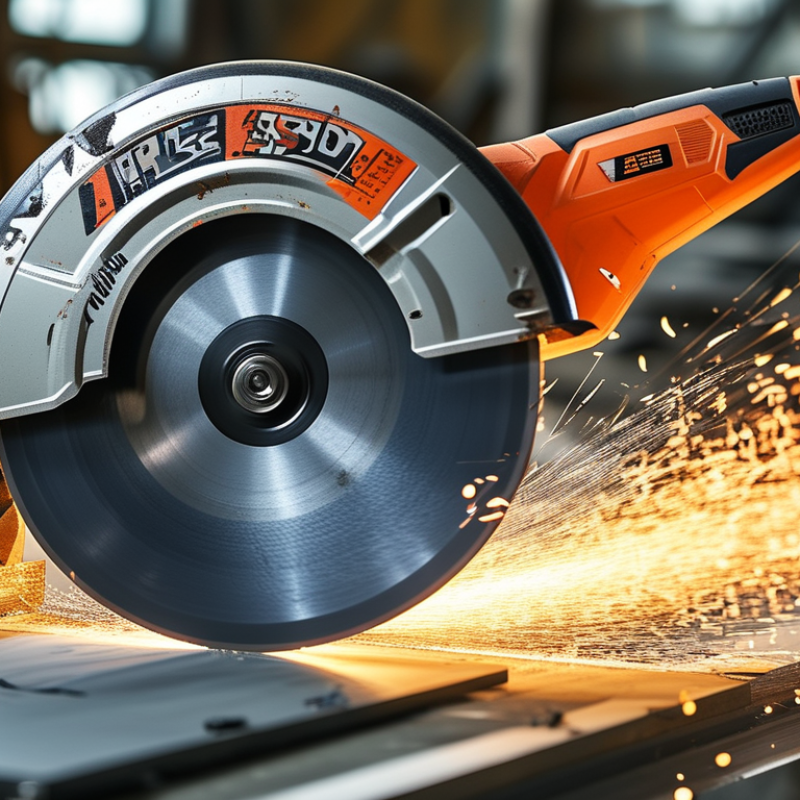
HSS circular saw blades, made from high-speed steel, are ideal for cutting metal and wood. They offer high durability and can withstand high temperatures. These blades exhibit precision and a longer lifespan compared to traditional ones. Their sharp edges facilitate clean cuts, which is critical in many industries, including construction and manufacturing.
When selecting an HSS circular saw blade, consider the material being cut. The thickness of the material plays a significant role in blade choice. A thinner blade may work for softer materials, while thicker blades are better for harder substances. Understanding the application is essential.
Another aspect to ponder is the tooth count on the blade. Fewer teeth provide faster cuts but produce rougher edges. More teeth yield smoother cuts but cut more slowly. Finding the right balance can be challenging. Regularly inspect your blade's condition for optimal performance. A dull blade can lead to poor quality cuts and increased wear on your saw.
Key Applications of HSS Circular Saw Blades in Various Industries
HSS circular saw blades play a vital role in diverse industries. Their high-speed steel composition allows for durability and efficiency. These blades excel in metal cutting, making them ideal for manufacturing and construction sectors. In automotive workshops, they are essential for cutting components with precision. Their ability to maintain sharpness even with heavy use makes them a trusted choice.
In woodworking, HSS circular saw blades are also prevalent. They offer smooth cuts and finer finishes. Carpenters often rely on these blades for crafting furniture and cabinetry. Their performance is essential when working with hardwood or softwood materials. While these blades are generally reliable, it's crucial to monitor their edge state frequently.
The nuances of blade selection cannot be overlooked. Factors such as thickness, tooth count, and material compatibility must be considered. Users sometimes overlook these aspects, leading to suboptimal results. Moreover, understanding the specific application can enhance cutting efficiency. Each industry has unique requirements that HSS blades can fulfill when chosen correctly.
What is HSS Circular Saw Blade and How to Choose It? - Key Applications of HSS Circular Saw Blades in Various Industries
| Application Industry | Material Cut | Blade Thickness (mm) | Tooth Count | Recommended RPM |
| Woodworking | Softwood & Hardwood | 2.0 | 24 | 4000 |
| Metalworking | Aluminum & Steel | 3.0 | 36 | 3000 |
| Construction | Concrete & Brick | 4.0 | 20 | 1500 |
| Aerospace | Titanium & Composites | 3.2 | 30 | 2500 |
| Automotive | Steel & Plastic | 2.5 | 28 | 3500 |
Factors to Consider When Choosing HSS Circular Saw Blades
When choosing HSS circular saw blades, several factors deserve careful consideration. One critical aspect is the material. High-speed steel (HSS) blades are known for their durability and ability to maintain sharpness over extended use. According to industry reports, HSS blades outperform carbide alternatives in specific applications, particularly for metals and wood. The blade's tooth geometry is also essential; larger teeth can improve cutting speed, while finer teeth offer smoother finishes.
Another important factor is the blade's diameter and thickness. Blades typically range from 4 to 14 inches in diameter. A smaller diameter offers better control for precise cuts, while larger ones are suited for heavy-duty tasks. The blade's thickness affects its rigidity and cutting performance. Thicker blades are generally more stable, but may generate more heat, leading to faster wear.
Lastly, consider the application requirements. Different materials may necessitate specialized blade designs. Research indicates users often overlook compatibility, which results in inefficiency or damage. Choosing the right blade based on these factors can significantly enhance performance and prolong lifespan. Still, some users might underestimate the importance of regular maintenance, which can lead to unexpected failures.
HSS Circular Saw Blade Types and Their Applications
Comparative Analysis: HSS Blades vs. Other Blade Materials
HSS (High-Speed Steel) circular saw blades are a popular choice in various industries. They are known for their ability to cut ferrous metals and are favored for their durability and cost-effectiveness. According to a report by the Industrial Tool Association, HSS blades offer a longer lifespan compared to carbon steel blades. They can last up to three times longer, making them an attractive option for heavy-duty applications.
When comparing HSS blades to other materials, such as carbide or bi-metal, differences become clear. Carbide blades can handle more intensive tasks and are typically used for cutting harder materials. They are more expensive but offer exceptional longevity and efficiency. On the other hand, HSS blades provide a more moderate endurance and flexibility. They are less brittle than carbide and can withstand some shock or misalignment during cuts.
Many professionals in metalworking believe the choice comes down to specific tasks. For instance, an HSS blade may suffice for occasional cuts in softer materials. However, continuous production environments heavily favor carbide blades for their performance under pressure. Ultimately, understanding the specific requirements of your project is vital. Each material has its strengths and weaknesses, and neither option is universally superior.
Maintenance Tips for Prolonging the Lifespan of HSS Circular Saw Blades
Maintaining HSS circular saw blades requires careful attention to detail. Regular inspections can significantly prolong their lifespan. Checking for wear and tear should become a routine practice. Even small chips can lead to larger problems. Reports indicate that improper maintenance can reduce blade life by up to 30%.
Proper cleaning is crucial. After each use, remove any debris. Accumulated resin or sawdust can impact blade performance. Manufacturers suggest using a specialized blade cleaner for optimal results. Additionally, always store blades in protective cases. This prevents accidental damage and keeps them in peak condition.
Sharpening is another key aspect of maintenance. A dull blade can lead to increased friction and heat. This may cause premature wear. Industry data suggests regular sharpening every 20 to 50 cuts, depending on material. Overlooking this can drastically affect cutting accuracy. While perfect maintenance is an ideal, striving for routine care is vital for durability and efficiency.