What is Mill Rolls and How Do They Impact Manufacturing?
Mill Rolls play a pivotal role in manufacturing processes across various industries. According to John Smith, a renowned expert in metallurgical engineering, "Mill Rolls are the heartbeat of rolling operations." This highlights their significance in shaping and forming materials. Mill Rolls are essential for producing steel sheets, aluminum parts, and other metal components.
These rolls impact the quality and consistency of finished products. A slight deviation can lead to defects, affecting production efficiency. For instance, worn-out rolls can create uneven surfaces, resulting in compromised quality. Manufacturers rely on advanced technologies to monitor the condition of Mill Rolls regularly. Even with expert care, unexpected failures can occur, prompting continuous improvement in maintenance practices.
The future of Mill Rolls is evolving with innovations. New materials and designs enhance durability and performance. However, challenges remain in balancing cost and quality. This ongoing development reflects the importance of Mill Rolls in the broader manufacturing landscape.
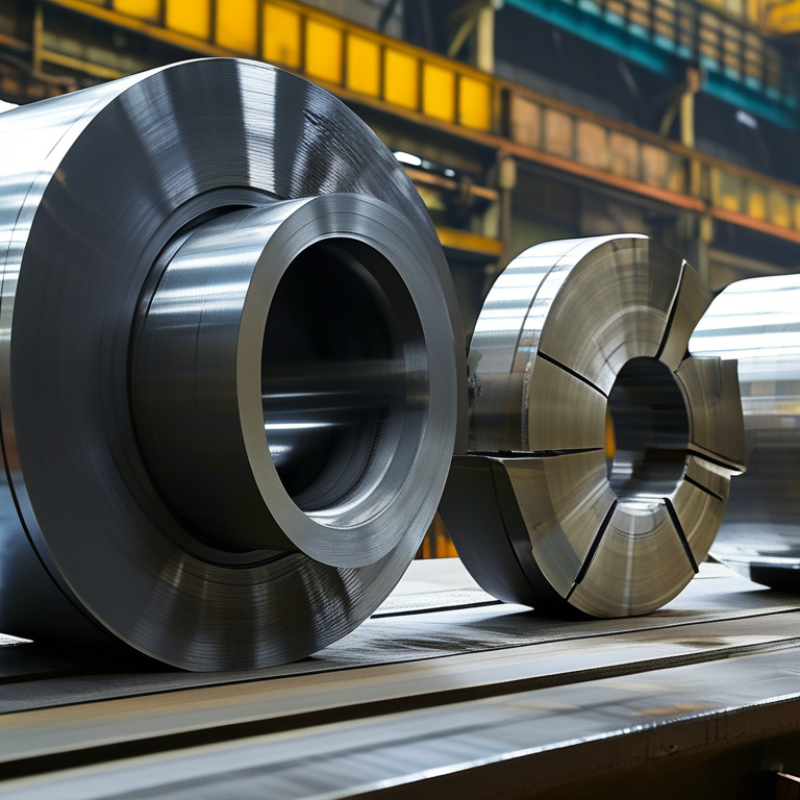
What Are Mill Rolls?
Mill rolls play a crucial role in the manufacturing industry, particularly in metalworking. These cylindrical tools are used to shape and form materials through processes such as rolling and forging. They help create various products, from steel beams to aluminum sheets. Understanding mill rolls is essential for optimizing production efficiency and ensuring product quality.
The materials and design of mill rolls significantly impact performance. Different alloys may be used based on the material being processed. For instance, harder rolls work better for tougher materials. The roll's surface texture can also affect the final finish of the product. Manufacturers should evaluate their specific needs carefully.
Tips for selecting mill rolls include assessing the types of materials processed. Consider the load capacities and operational speeds. Regular maintenance is vital to extend roll life. Inspecting for signs of wear and tear can prevent unexpected downtime. Customizing rolls to meet specific production requirements can enhance efficiency and product consistency. Experimenting with different setups can reveal valuable insights for improvement.
Types of Mill Rolls Used in Manufacturing
Mill rolls are essential components in the manufacturing sector. They are used in various processes, including metal forming, rolling, and shaping. Understanding the types of mill rolls is crucial for optimizing production.
There are several types of mill rolls used in manufacturing, each designed for specific functions. Work rolls are typically found in hot and cold rolling mills. Their main role is to deform the material through precise pressure. According to a recent industry report, nearly 60% of metal forming processes utilize work rolls due to their efficiency in reducing material thickness. Similarly, backup rolls support work rolls, ensuring they maintain their shape under heavy loads.
Another category is the cast iron rolls, known for their durability and wear resistance. These rolls are often used in paper and textiles industries. Notably, a study highlighted that utilizing cast iron rolls can increase lifespan by up to 30%. However, manufacturers must constantly evaluate the balance between cost-effectiveness and performance in selecting the right type of roll. As materials evolve, so do the demands on mill rolls, necessitating ongoing reflection and adaptation by manufacturers.
What is Mill Rolls and How Do They Impact Manufacturing? - Types of Mill Rolls Used in Manufacturing
| Type of Mill Roll | Material | Application | Advantages | Disadvantages |
| Casting Rolls | Steel or Iron | Continuous casting processes | High strength, good wear resistance | Heavy weight, requires robust support |
| Grooved Rolls | Alloy Steel | Steel wire and rod manufacturing | Improved grip, better control of material | Potential for edge deformation |
| Flat Rolls | High Carbon Steel | Flat-rolled products like sheets | Excellent surface finish, uniform thickness | Susceptible to pitting and scratches |
| Composite Rolls | Steel + Ceramic Coatings | Specialized applications in tangled steel processes | Enhanced durability and resistance | Higher initial costs |
The Manufacturing Process Involving Mill Rolls
Mill rolls play a critical role in the manufacturing process, particularly in metalworking and rolling mills. These rolls are used to reduce the thickness of metal sheets and strips. They exert immense pressure, reshaping materials through a series of passes. The process involves heating the metal to a workable temperature before it passes through the rolls, transforming it into the desired thickness.
Each pass through the mill can vary in speed and pressure. This inconsistency can lead to variations in thickness and surface finish. Operators must closely monitor these parameters to ensure quality. Improper adjustments can result in defects, such as uneven thickness or flawed surfaces. Achieving precision requires experience and keen attention to detail.
The choice of roll material is also crucial. Different alloys and finishes can impact both performance and longevity. However, selecting the right material isn’t straightforward. Each metal type may respond differently under similar conditions. Thus, ongoing testing and adjustments are often necessary to refine the process. This continual evolution is what makes the manufacturing landscape dynamic, but it also poses unique challenges for engineers and operators alike.
Impact of Mill Rolls on Manufacturing Efficiency
How Mill Rolls Affect Product Quality and Performance
Mill rolls play a crucial role in manufacturing processes, particularly in metallurgy and material production. These rolls are essential for shaping metals into desired forms. The precision of mill rolls directly affects the overall quality and performance of the final product. A report by the International Journal of Advanced Manufacturing Technology highlights that even slight imperfections in roll fabrication can lead to defects in metal properties. This shows that the slightest deviation in roll diameter or surface finish can impact the overall product quality.
The relationship between mill rolls and product consistency is significant. High-quality rolls ensure uniform thickness and enhance metallurgical properties throughout the material. According to the World Steel Association, a mere 5% variation in thickness can result in a 15% decrease in yield strength for certain steel grades. Understanding this correlation is vital for manufacturers aiming to optimize product durability and performance.
Manufacturers often overlook maintenance on mill rolls, leading to performance issues. Regular inspections and adjustments can mitigate these challenges. According to a study from the Institute of Materials, 30% of production losses stem from roll-related defects. Addressing these concerns proactively can enhance not only product quality but also operational efficiency in various manufacturing environments.
Trends and Innovations in Mill Roll Technology
Mill rolls are crucial components in the manufacturing sector, particularly in metal processing. Recent trends show a significant shift toward enhanced material properties and production efficiency. The adoption of advanced materials in mill roll production has been a game changer, resulting in increased durability and performance.
Research indicates that the global market for mill roll technology is projected to grow at a compound annual growth rate (CAGR) of 5% from 2023 to 2028. This growth is driven by innovations that focus on improving surface hardness and resistance to wear. For instance, the development of carbide rolls offers a solution for high-temperature applications, enhancing overall operational efficiency.
Moreover, sustainability is becoming a priority in mill roll production. Manufacturers are seeking eco-friendly materials and processes. Nevertheless, challenges remain. The high cost of advanced materials can deter some manufacturers from making the switch. Balancing performance with economic viability remains a focal point for industry innovation. Exploring new production techniques could address these issues while meeting the increasing demand for quality and sustainability.