What is a Roll Down Fire Door and How Does It Work?
A Roll Down Fire Door is an essential safety feature in modern buildings. It provides a reliable barrier against smoke and fire, protecting lives and property. When activated, these doors descend rapidly, sealing off areas at risk.
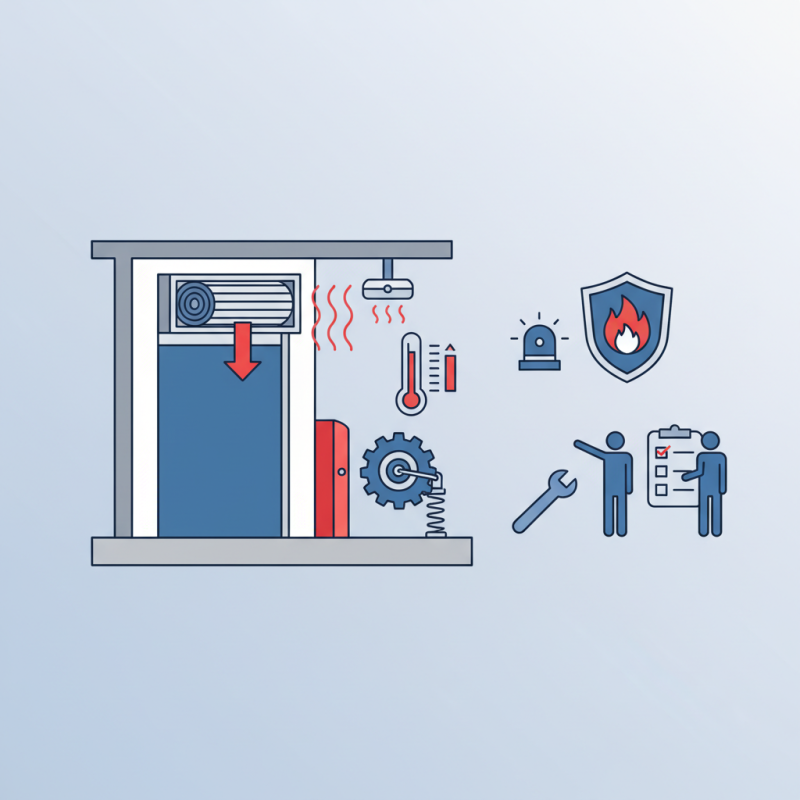
The mechanism hinges on a system of springs and sensors. As temperatures rise, sensors trigger the door's descent. This quick response can make a difference during emergencies. However, maintenance is often overlooked. Regular checks are crucial for ensuring functionality.
While Roll Down Fire Doors are effective, challenges persist. Inadequate training for staff can lead to misuse. Lack of awareness may hinder timely activation. Addressing these issues is vital for maximizing safety measures in buildings.
What is a Roll Down Fire Door?
A roll down fire door is an essential safety feature in many commercial buildings. It serves as a barrier that helps contain smoke and flames during a fire. Unlike traditional doors, these doors roll down from an overhead position. When activated, they create a secure seal, preventing fire from spreading to other areas. This design is often seen in large open spaces like warehouses and shopping centers.
These fire doors are typically made of durable materials, such as steel. They can withstand high temperatures, which is crucial during a fire. The mechanism for operating these doors can be simple or complex. Some have automatic sensors, while others require manual operation. It is important to regularly inspect the doors to ensure they function correctly. Neglecting maintenance can lead to failures during emergencies, which is hazardous.
Many people may not realize how vital these doors are. They are more than just physical barriers; they provide precious seconds during a crisis. However, they are not foolproof. Regular training and awareness are necessary to guarantee effectiveness in a real-life emergency. The presence of roll down fire doors reminds us that fire safety is a continuous process, not a one-time task.
Components of a Roll Down Fire Door
Roll down fire doors are crucial in fire safety systems. They consist of various components that work together to protect property and lives. The main parts include the door curtain, guide tracks, and the closing mechanism. The door curtain is made of special fire-resistant materials. It rolls up or down smoothly along the tracks when triggered.
The guide tracks help keep the door aligned. This alignment is vital for proper sealing during a fire. A misaligned door might not close properly. This could allow smoke and flames to spread. The closing mechanism typically includes a spring-loaded system. This system ensures that the door retracts fully when not in use.
Additionally, sensors play a key role. They detect heat and smoke, activating the door. Sometimes, sensors can fail. Regular maintenance is essential to prevent such issues. Neglecting routine checks may lead to safety risks. Ensuring every part functions well is necessary for effective fire protection.
How Roll Down Fire Doors Operate
Roll down fire doors are crucial for safety in commercial buildings. They protect against fire and smoke, helping to compartmentalize a space. These doors are usually made from non-combustible materials. When activated, they roll down quickly, sealing off areas to prevent a fire from spreading. This mechanism is vital for saving lives and property.
Understanding the operation of roll down fire doors is essential. These doors typically feature a motorized system, which allows for automatic deployment. When a fire alarm triggers, sensors activate the door’s mechanism. According to the National Fire Protection Association (NFPA), the correct installation and maintenance of these doors can reduce fire spread by as much as 75%. However, improper installation can lead to failures. Regular inspections are necessary, yet many facilities overlook this aspect.
The design of roll down fire doors can present challenges. While they are effective, their speed during activation can sometimes pose risks during evacuation. Emergency planning often needs to account for this. Additionally, maintenance costs can be burdensome for some businesses. Understanding these complexities is vital. A well-functioning roll down fire door contributes significantly to a building's fire safety strategy.
Benefits of Using Roll Down Fire Doors
Roll down fire doors offer crucial safety benefits in various environments. They act as barriers to contain smoke and heat during a fire outbreak. According to the National Fire Protection Association, over 3,000 fires occur in commercial buildings each year. A roll down fire door can effectively mitigate losses by compartmentalizing fire spread.
These doors are engineered with durability in mind. They can withstand high temperatures, providing critical extra minutes for evacuation. A study from the Fire Protection Research Foundation indicates that effective fire barriers can reduce property damage by up to 50%. Moreover, they help to maintain air quality and delay the toxic effects of smoke.
Installation of these doors can enhance a building's value and safety profile. However, maintenance is key. Regular checks are needed to ensure they function properly. Many organizations overlook this aspect, which could jeopardize their safety measures. Investing in quality roll down fire doors and committing to their upkeep is essential for safeguarding lives and property.
Maintenance and Safety Considerations for Roll Down Fire Doors
Roll down fire doors play a crucial role in protecting properties from fire damage. However, effective maintenance is essential. Regular inspections can prevent malfunctions and ensure the door operates correctly during an emergency. A neglected door might fail when it’s needed most.
Tips: Schedule inspections every six months. Check for any physical damage or signs of wear. Simple upkeep can make a significant difference.
Cleaning the tracks and mechanisms is vital too. Dirt can hinder the smooth operation of a fire door. Using a mild detergent will help remove debris without damaging parts. Remember to lubricate moving components occasionally. This practice promotes longevity and reliability.
Tips: A small investment in maintenance saves much more in repairs. Train staff on how to spot issues. They are your first line of defense.
Keep an eye on fire door signage. Proper labeling is required by safety codes. Inadequate or faded signs can lead to confusion during emergencies. Ensure that all personnel are familiar with the fire door locations.
Fire Door Maintenance Frequencies
This chart illustrates the recommended maintenance frequency of roll down fire doors. Regular maintenance ensures that these crucial safety features are operational and compliant with safety regulations.