What is a Rubber Pump Impeller and How Does It Work?
In the world of fluid dynamics, the Rubber Pump Impeller plays a crucial role. Dr. Jane Thompson, a leading expert in pump technology, emphasizes its importance: "The right impeller can enhance efficiency and performance." Rubber Pump Impellers are widely used due to their durability and flexibility. They handle various liquids, making them versatile in different applications.
The design of a Rubber Pump Impeller affects its performance. A well-crafted impeller ensures optimal fluid movement. However, not all designs meet the needs of every pump. Some may underperform or fail under pressure. This inconsistency can lead to unexpected issues. Understanding the mechanics can mitigate these risks.
Despite the advantages, challenges remain. Proper maintenance is essential for longevity. Neglecting this can lead to frequent replacements. Users must be aware of the specific requirements of their pumps. Finding the right balance can be difficult but is vital for efficiency. Each application has unique demands that must be met effectively.
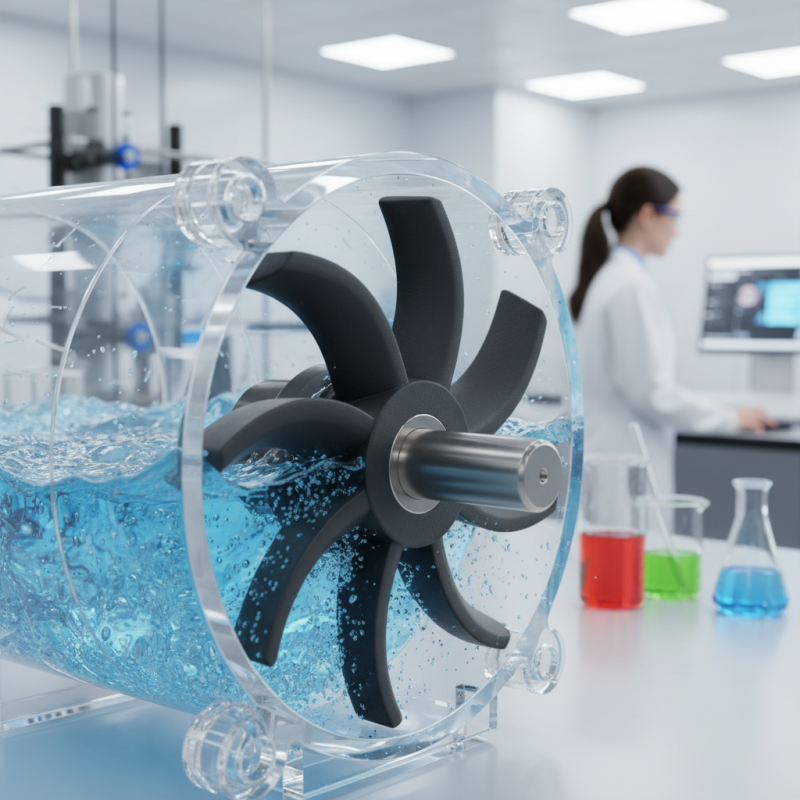
What is a Rubber Pump Impeller? Definition and Key Characteristics
A rubber pump impeller is a core component in many pump systems. It is designed to move fluids efficiently. The flexibility of rubber allows for better adaptability to various applications. This adaptability is especially useful in industries like agriculture and wastewater management. Rubber impellers generally have a smooth surface, enhancing their performance and minimizing wear.
One key characteristic of rubber pump impellers is their durability. They can withstand harsh conditions, including corrosive liquids. Their ability to absorb shock makes them ideal for turbulent fluid flow. Yet, not all rubber impellers are created equal. The choice of rubber compound can significantly affect performance. Different compounding agents can lead to variations in hardness and elasticity.
Tips: Always consider the specific fluid being pumped. This decision can impact the lifespan of the impeller. Regularly inspect rubber components; wear often goes unnoticed. If a pump fails, it may stem from a simple impeller issue. Addressing these concerns can save significant time and money.
The Role of Rubber in Pump Impeller Design and Functionality
Rubber plays a vital role in the design of pump impellers. Impellers are critical components in pumps, driving fluid movement. When we consider material choice, rubber stands out. Its flexibility allows for better handling of varying pressures. This adaptability can improve pump efficiency in many systems.
One of the key benefits of rubber impellers is their ability to absorb shocks. This reduces wear and tear on pumps, potentially extending their lifespan. However, using rubber may not be perfect. Over time, exposure to chemicals can degrade it. This poses a challenge in specific environments. Regular inspections are necessary, yet such maintenance often gets overlooked.
The design of rubber impellers also affects their functionality. Sharp edges can enhance performance, but they may increase risk of damage. Finding the right balance between efficiency and durability can be tricky. These design choices require careful consideration. Sometimes, it may seem easier to go with a metal option, yet the advantages of rubber are hard to ignore.
How Rubber Pump Impellers Enhance Efficiency in Fluid Dynamics
Rubber pump impellers play a crucial role in enhancing fluid dynamics. Their flexibility allows for better adaptability in various pumping conditions. Unlike rigid materials, rubber absorbs vibrations. This reduces wear over time, leading to longer lifespan and less frequent maintenance.
The design of rubber impellers optimizes the flow of fluids. They create a smoother transition for liquids, minimizing turbulence. This results in improved efficiency and energy savings. However, not all applications benefit equally from rubber impellers. The compatibility with specific fluids can be challenging.
While rubber impellers excel in many environments, they may face limitations in high-temperature situations. Thus, careful consideration is necessary when selecting materials. Some operators find themselves questioning performance under extreme conditions. In these cases, the potential drawbacks must be evaluated beyond surface-level benefits.
Common Applications of Rubber Pump Impellers in Various Industries
Rubber pump impellers find extensive use across various industries due to their unique properties. In the water treatment sector, they effectively handle abrasive particles in wastewater. Their flexibility allows them to absorb shocks, reducing wear and tear. This is particularly beneficial in environments with fluctuating pressures.
In the agriculture industry, rubber impellers are commonly used in irrigation systems. They can withstand harsh chemicals and soil conditions. The ability to adapt ensures reliable functioning. However, the lifespan may shorten in extreme environments. Users often notice reduced performance over time.
Another key application is in the food and beverage industry. Rubber pump impellers handle liquids with varying viscosities. Their non-corrosive nature makes them ideal for sensitive applications. Yet, it’s crucial to regularly inspect these components. Potential issues can arise from neglecting maintenance. Identifying wear early can enhance performance and safety.
What is a Rubber Pump Impeller and How Does It Work? - Common Applications of Rubber Pump Impellers in Various Industries
| Application | Industry | Benefits | Common Materials |
| Water Treatment | Municipal | Corrosion Resistance | EPDM, Neoprene |
| Chemical Processing | Industrial | Chemical Resistance | Hypalon, Viton |
| Sludge Transfer | Waste Management | Durability | Natural Rubber, SBR |
| Food Processing | Food & Beverage | Non-Toxic | FDA Approved Rubber |
| Mining | Mining & Metals | Wear Resistance | Natural Rubber, EPDM |
Factors Affecting the Performance and Longevity of Rubber Impellers
Rubber impellers are essential components in various pumping systems. Their performance and durability can vary significantly based on several factors. The material quality of the rubber is one key aspect. High-quality rubber can withstand wear and tear better than lower grades. This difference can be crucial in demanding environments.
Operating conditions also play a vital role. Temperature, pressure, and the type of fluid being pumped can all affect impeller performance. Elevated temperatures may cause rubber to lose elasticity. This change can lead to decreased efficiency over time. Additionally, corrosive or abrasive fluids can cause premature wear. In this context, the design of the impeller is also critical. Poor design can negatively impact flow rates and increase stress on the material.
Regular maintenance checks are essential but often neglected. Checking for signs of wear, cracks, or distortion can prevent significant failures. Neglecting these checks may lead to costly repairs or downtime. It is vital for users to understand these factors to enhance the longevity of rubber impellers. Balancing these elements can improve both efficiency and lifespan.
Performance Factors Affecting Rubber Pump Impellers