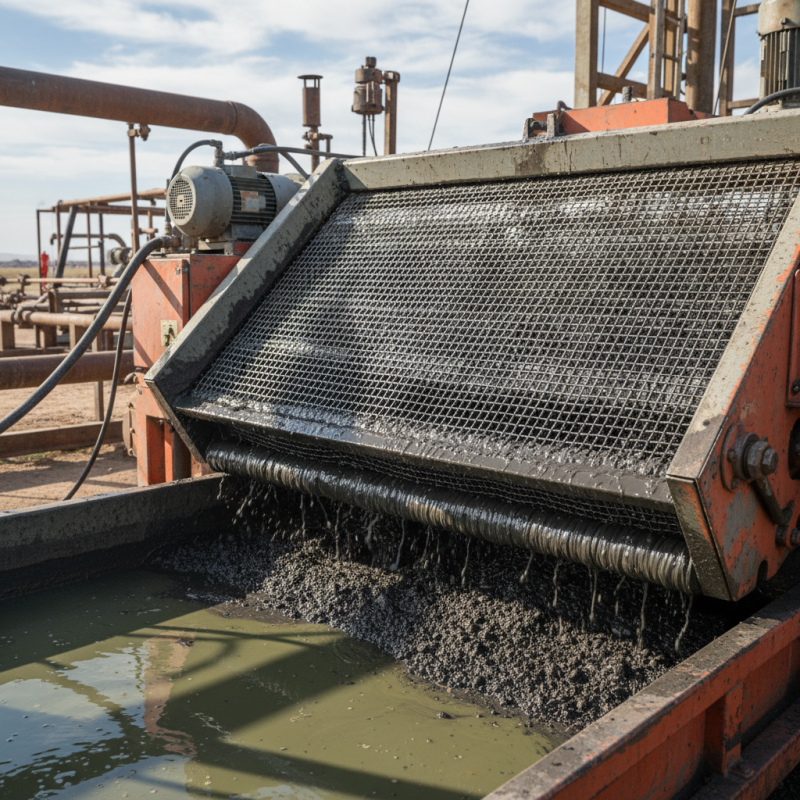
What is a Shale Shaker Screen and How Does It Work?
The shale shaker screen is a critical component in the drilling process. It separates solids from liquids in the drilling fluid. By doing this, it maintains the fluid's efficiency. Many companies rely on this technology during drilling operations.
Understanding how a shale shaker screen works is essential for optimal performance. The screen uses vibration to facilitate separation. This method ensures that valuable drilling fluids are reused effectively. However, not every screen performs at its best. Some may wear out quickly or fail to remove all solids.
In the world of drilling, efficiency matters. Operators must choose the right shale shaker screen for their needs. Proper maintenance is also key. Regular checks can prevent costly disruptions. Every detail counts in achieving successful drilling operations.
What is a Shale Shaker Screen?
A shale shaker screen is a crucial component in the drilling industry. It plays a significant role in the mud system, separating solids from drilling fluids. Essentially, it acts as a filtering device. When drilling fluid is circulated, it must pass through this screen. The shaker uses vibration to help the process. It efficiently separates cuttings and other debris from the fluid.
The design of a shale shaker screen includes multiple layers of mesh. These layers create varying mesh sizes for different solid particles. Larger particles get trapped, while finer particles flow through. This separation maintains the quality of the drilling fluid. A clean fluid is vital for effective drilling. However, the screens must be regularly inspected for wear and tear. If neglected, their efficiency decreases.
Installation and maintenance of these screens can be challenging. Positioning them at the correct angle is crucial. A poor angle can lead to poor separation and increased costs. Operators often need training to handle this equipment properly. Sometimes, they overlook minor issues until they escalate. Regular checks and proper training can mitigate such challenges. Understanding the workings of the shale shaker screen is essential for any drilling operation.
The Components of a Shale Shaker Screen
A shale shaker screen is a critical component in drilling operations. Its primary job is to separate solids from the drilling fluid. This helps in maintaining the efficiency and effectiveness of the drilling process. The shaker screen consists of several essential parts, each playing a vital role in its functionality.
The frame is the backbone of the screen. It holds everything together. The mesh is another crucial part, where the actual separation happens. Different mesh sizes can be used, depending on the type of solids being separated. The screen tensioning system keeps the mesh tight. A loose mesh can lead to ineffective separation. Some screens come with a rubber seal to prevent fluid from leaking. This is important for optimal performance.
Understanding these components is essential. Each part must work in harmony. Regular maintenance checks are also necessary. Shedding a bit of awareness can help spot wear and tear. Sometimes, screens need replacing sooner than expected. It's always good to have a few spares on hand.
How a Shale Shaker Screen Functions
A shale shaker screen plays a pivotal role in drilling operations. It separates drilling fluid from cuttings. By doing this, it improves the efficiency of the drilling process. The screen is typically made of layered mesh materials. This design allows for varying particle sizes to be filtered out. According to industry reports, effective screens can increase fluid recovery by over 90%.
In operation, the shaker uses a combination of vibration and gravity. The vibrating motion creates a continuous flow of fluid. This flow pushes larger particles towards the screen's surface, allowing smaller ones to pass through. Data suggests that a well-functioning shale shaker can handle up to 50 tons of cuttings per hour. However, wear and tear can impact the screen's effectiveness. Regular maintenance and timely replacements are crucial for optimal performance.
Not every screen type is suitable for every type of drilling operation. Some environments, like offshore drilling, present unique challenges. In these cases, screens can clog more quickly. This raises questions about how to balance efficiency and operational costs. There's always room for improvement in selecting and maintaining shale shaker screens. Being aware of the specific needs of each operation is essential for drilling success.
Shale Shaker Screen Performance Data
This chart displays the performance metrics of shale shaker screens based on different parameters such as efficiency, flow rate, and particle removal size. The data presented highlights the effectiveness of shale shaker screens in various operational conditions.
Applications of Shale Shaker Screens in Drilling
Shale shaker screens are crucial in the drilling industry. They serve to separate solids from drilling fluids. This helps maintain the efficiency of the drilling process. These screens filter out unwanted particles. Smaller particles can easily pass through, while larger debris is captured.
In oil and gas extraction, shale shaker screens play a vital role. They are commonly used in both onshore and offshore drilling operations. The right screen can significantly improve the quality of the drilling fluid. This leads to longer drilling intervals and reduced downtime. Operators often experiment with different mesh sizes and types. The effectiveness of the filtration can vary dramatically. Poor choices can lead to costly issues.
Moreover, regular maintenance of shale shaker screens is essential. Neglecting this can result in decreased performance. Screen damage can happen due to harsh materials. This makes it important to monitor their condition closely. Investing time in this maintenance pays off during drilling operations. A better-performing shaker screen means fewer interruptions.
Maintenance and Best Practices for Shale Shaker Screens
Shale shaker screens play a vital role in the oil and gas industry. They separate drill cuttings from drilling fluid, keeping operations efficient. However, maintenance is often overlooked. A study by the Society of Petroleum Engineers indicated that improperly maintained screens could reduce drilling efficiency by over 30%. Addressing screen wear and tear is crucial. Regular inspections can identify issues before they escalate.
Best practices for maintenance include frequent cleaning and timely replacements. Inadequate cleaning can lead to clogging, which hampers performance. Different materials suit various drilling conditions, suggesting that operators should review their current screens regularly. An industry report noted that adopting advanced screening technology could enhance separation efficiency by 15%, reducing waste and costs.
It's important to train personnel on proper handling techniques. Untrained staff may cause damage during routine maintenance. Also, while technology can help, it isn't foolproof. Regular assessments of both equipment and practices are essential for optimal performance. Taking a proactive approach may initially seem resource-intensive, but it can save costs in the long run.