How to Source TCCA Granules for Your Business Needs?
Sourcing TCCA Granules is crucial for many businesses in the chemical and sanitation industries. According to a report by MarketsandMarkets, the global disinfectants market is expected to reach USD 8.4 billion by 2025. This growth indicates an increasing demand for effective and reliable products like TCCA Granules.
These granules offer a versatile solution for water treatment, surface disinfection, and sanitation processes. Their effectiveness as a chlorine stabilizer is well-documented. However, finding high-quality TCCA Granules can be challenging. Companies must ensure they are sourcing from reputable suppliers who adhere to industry standards.
In addition to quality, it's vital to consider pricing and availability. The price of TCCA Granules can fluctuate based on raw material costs and market demand. Businesses should remain agile and adapt their sourcing strategies based on current market conditions. Understanding the complexities of the supply chain and evaluating supplier reliability can lead to more informed decisions in the procurement process.
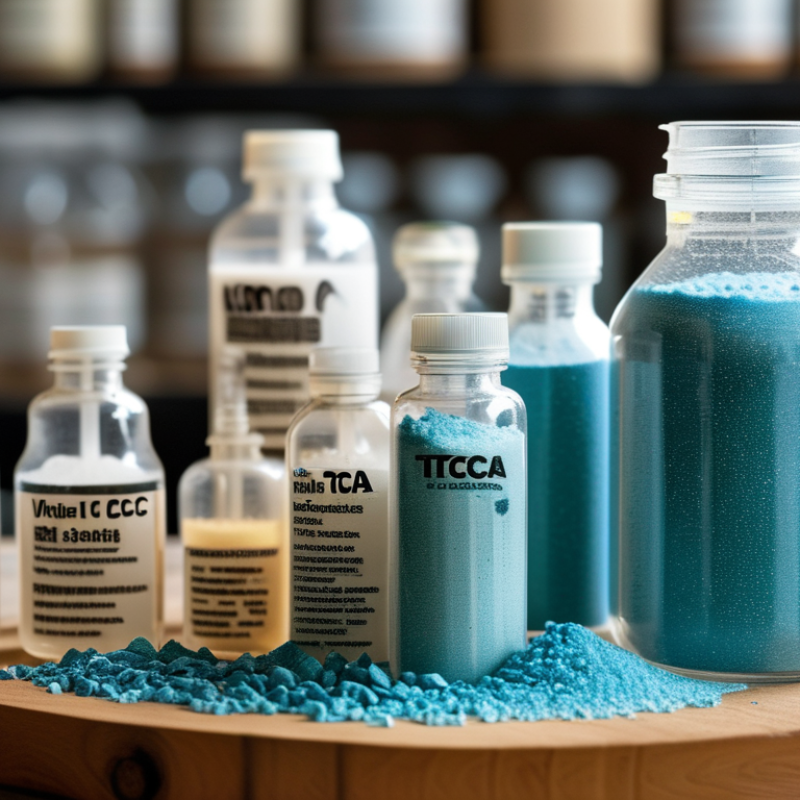
Understanding TCCA Granules and Their Applications
TCCA granules, or Trichloroisocyanuric Acid granules, are widely used in water treatment and sanitation. They are a powerful chlorinating agent. This makes them highly effective in disinfecting swimming pools, drinking water, and even industrial water systems. According to a recent industry report, the global TCCA market is projected to reach USD 800 million by 2025, driven by increasing demand for water treatment solutions.
The versatility of TCCA granules is one of their key applications. They release chlorine slowly, ensuring prolonged disinfection. This slow-release feature minimizes the need for frequent additions, making them economical. In agriculture, TCCA is used for sterilizing irrigation water, aiding in crop protection. However, improper handling of these granules can pose risks. Users must be cautious to prevent chlorine gas release, which can be hazardous. Regular training and strict safety measures are essential for those who work with TCCA.
While TCCA granules offer numerous benefits, challenges exist. Quality control during manufacturing can vary significantly. This variance can affect their effectiveness and safety. Industry standards need to be strictly followed to ensure product reliability. Understanding these aspects is crucial for businesses looking to source TCCA granules. Making informed decisions is vital in harnessing their full potential.
Identifying Reliable Suppliers for TCCA Granules
Identifying reliable suppliers for TCCA (Trichloroisocyanuric acid) granules is crucial for businesses in the water treatment and sanitation industries. According to a market research report by Mordor Intelligence, the global TCCA market is projected to grow at a CAGR of around 5% from 2021 to 2026. This trend highlights the demand for high-quality suppliers who can provide consistent products.
Start by evaluating potential suppliers based on their certifications. Look for ISO 9001 certification, indicating a commitment to quality management systems. Also, reviewing suppliers' compliance with safety and environmental regulations is essential. Many companies fail to maintain consistent standards, leading to product inconsistency. By ensuring suppliers adhere to these certifications, businesses can mitigate risks.
Request product samples and conduct laboratory analyses to verify the quality. This involves checking for purity and effectiveness. Some suppliers may offer samples, but others might hesitate. A lack of willingness to provide samples could signal potential quality issues. Engage with suppliers openly about their sourcing and production processes. Knowledgeable suppliers tend to share insights freely, indicating a transparent operation. Building a relationship based on trust can improve your supply chain stability and enhance quality assurance efforts.
Evaluating Quality Standards in TCCA Granules
When evaluating quality standards in TCCA granules, it's essential to focus on purity and effectiveness. A recent industry report highlights that granules should contain at least 90% active chlorine for optimal performance. Lower levels can indicate impurities or subpar manufacturing processes. Inspecting the chemical makeup is critical; increased impurities can lead to reduced efficacy in sanitation tasks.
The granule size also plays a significant role in their performance. A consistent granule size ensures uniform dissolution and effective delivery of chlorine. Studies suggest that granules between 1-3 mm in diameter are ideal for quick and thorough disinfection. However, not all suppliers adhere to these standards. Some may offer irregular sizes which can lead to inconsistent results.
Moreover, sourcing TCCA granules from reputable suppliers is key. Certifications and quality control measures provide insight into the production process. Reports show that suppliers with ISO certifications tend to maintain higher quality standards. Always request documentation to ensure compliance with international quality standards. Taking these steps can significantly impact your business's operational efficiency and reliability.
How to Source TCCA Granules for Your Business Needs? - Evaluating Quality Standards in TCCA Granules
| Supplier Location | Granule Purity (%) | Pack Size (kg) | Price per kg ($) | Delivery Time (days) | Quality Certification |
| China | 90 | 25 | 2.50 | 15 | ISO 9001 |
| India | 92 | 50 | 2.80 | 20 | FSSC 22000 |
| Turkey | 91 | 30 | 2.65 | 10 | HACCP |
| Brazil | 89 | 20 | 3.00 | 25 | BRC |
Negotiating Pricing and Terms with Suppliers
Negotiating pricing and terms with suppliers for TCCA granules can be crucial for your business. The global demand for TCCA, or trichloroisocyanuric acid, is projected to reach over 1 million tons by 2027 (MarketsandMarkets, 2022). This growth means suppliers may be more open to negotiations, but you must be prepared to discuss various terms.
One effective strategy is to conduct thorough market research. Understand the average price per ton in your region. In some areas, prices might vary by as much as 20%. This knowledge empowers you during negotiations. Additionally, consider asking for bulk purchase discounts. Suppliers may offer lower rates if you commit to larger orders.
Tip: Establish a clear communication channel with potential suppliers. Being direct about your requirements can lead to better deals. Don’t hesitate to seek quotes from multiple suppliers to create competitive tension.
Another important aspect is to evaluate payment terms. Many suppliers offer flexibility. You might negotiate for deferred payment schedules. However, this could also mean facing higher prices. Assess your cash flow carefully before agreeing.
Tip: Always review the supplier's history. Their reliability can impact your operations significantly. If they have a track record of delays or quality issues, that can reflect poorly on your business.
Logistics and Storage Considerations for TCCA Granules
When sourcing TCCA granules for your business, logistics and storage are key factors. Proper handling ensures product integrity. TCCA, or trichloroisocyanuric acid, requires a controlled environment. High temperatures or moisture can degrade quality. So, consider your facility's climate before storage.
Transporting TCCA granules needs careful planning as well. Ensure containers are sealed properly to avoid contamination. A dedicated shipping method can minimize risks. It's beneficial to choose suppliers who understand the importance of these logistics.
**Tip**: Use airtight containers for long-term storage. Regularly check for any signs of moisture or degradation.
Another consideration is inventory management. Overordering can lead to storage issues. Conversely, too little stock might delay production. Balance is crucial here. Keep track of usage rates to avoid these pitfalls.
**Tip**: Implement a first-in, first-out (FIFO) system to optimize your stock rotation. This can help reduce waste and maintain freshness.