How to Source the Best Titanium Plate for Your Business?
In the competitive landscape of manufacturing, sourcing the best Titanium Plate is critical for business success. Industry expert Dr. Linda Hargrove emphasizes, "The quality of titanium determines the integrity of your final product." This statement underlines the importance of careful selection in the titanium supply chain.
Finding high-quality Titanium Plate can be challenging. Factors like sourcing materials, vendor reliability, and pricing greatly influence your options. Choosing the wrong supplier can lead to significant setbacks. Experts recommend assessing the certifications and quality standards of potential suppliers. It’s essential to scrutinize their track record.
Moreover, there are often overlooked variables that can affect your choice. For instance, the specific grade of titanium needed for your application is vital. Many businesses fail to consider the long-term benefits of investing in superior materials. Reflecting on these aspects can lead to wiser investments and ultimately, greater product performance.
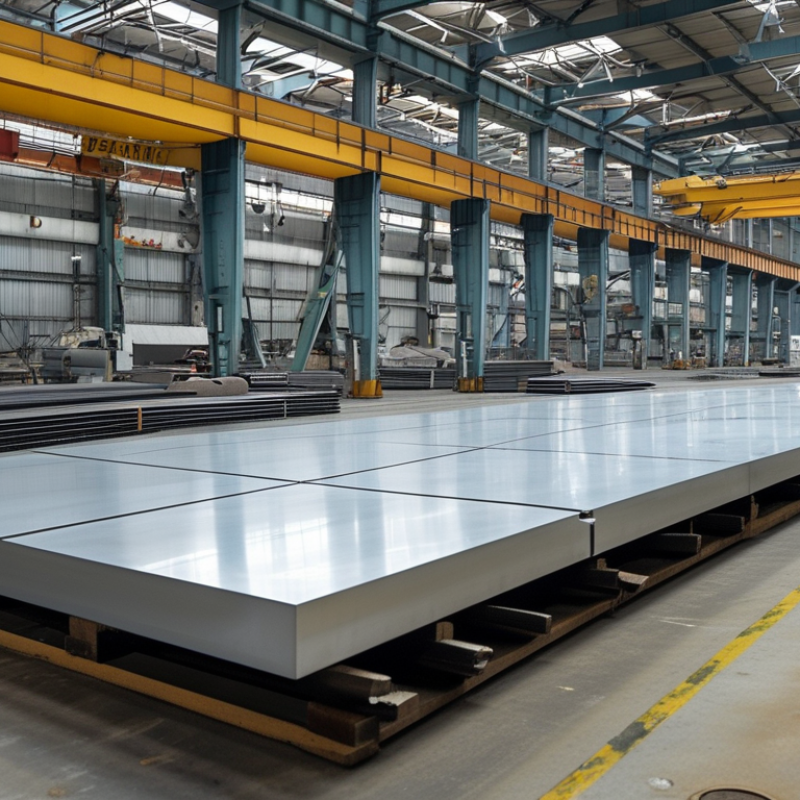
Understanding Titanium Plate Specifications and Standards
When sourcing titanium plates, understanding specifications is crucial. Titanium comes in various grades, which affect performance. Most common grades include Grade 1 to Grade 5, with Grade 5 being the most prevalent. Grade 5 titanium, or Ti-6Al-4V, is known for its excellent strength-to-weight ratio and corrosion resistance. According to industry reports, about 60% of titanium used in aerospace is Grade 5.
Standards are also essential when selecting titanium plates. ASTM International provides guidelines, ensuring materials meet industry requirements. The ASTM B265 standard covers the specifications for titanium plates and sheets. This affects not just how titanium performs, but also its suitability for demanding applications. Non-compliance can lead to failures, impacting safety and efficiency.
Moreover, evaluating mechanical properties matters. Tensile strength, yield strength, and ductility vary significantly by grade. For instance, Grade 2 titanium rolls out with a yield strength of about 275 MPa. Understanding these specifications ensures better decision-making. Failure to grasp these details could lead to costly mistakes, lingering issues, and unsatisfactory performance of the final product. The learning process here requires diligence and reflection.
How to Source the Best Titanium Plate for Your Business? - Understanding Titanium Plate Specifications and Standards
| Specification | Description | Standard | Thickness Range (mm) | Common Applications |
| Grade 1 | Commercially pure titanium, excellent corrosion resistance | ASTM B265 | 0.5 - 100 | Chemical processing, marine applications |
| Grade 2 | Good strength-to-weight ratio, corrosion resistance | ASTM B265 | 1.0 - 80 | Aerospace, medical implants |
| Grade 5 | Titanium alloy, excellent mechanical properties | ASTM B265 | 0.5 - 120 | Aerospace, automotive parts |
| Grade 12 | Excellent corrosion resistance, moderate strength | ASTM B265 | 0.8 - 75 | Chemical processing, marine hardware |
| Grade 23 | Alpha-beta titanium alloy, high strength and ductility | ASTM B265 | 0.5 - 30 | Medical devices, aerospace |
Identifying Different Grades of Titanium for Your Business Needs
When sourcing titanium plates, understanding the different grades is crucial. Titanium comes in several grades, each with distinct properties. Grade 1 is commercially pure with excellent corrosion resistance but lower strength. Grade 5, known as Ti-6Al-4V, is stronger and more versatile. It's often used in aerospace and medical applications.
Evaluating the specific needs of your business helps in selecting the right grade. If your application demands high strength and low weight, you might lean towards Grade 5. However, if your focus is on corrosion resistance in less demanding environments, Grade 1 could be sufficient.
Some companies overlook the importance of sourcing high-quality titanium. They may focus solely on price, neglecting the long-term benefits of durability and performance. This approach can lead to costly failures down the line. Understanding these nuances ensures that you invest wisely in titanium plates that meet your needs effectively.
Comparative Analysis of Titanium Grades Used in Manufacturing
Evaluating Suppliers and Their Reputation in the Industry
When sourcing titanium plates, evaluating suppliers is crucial. Research their industry reputation. Look for online reviews and testimonials. A supplier's track record reflects their reliability. Seek out those who have a history of delivering quality products.
Consider the supplier's certifications. Valid certifications indicate compliance with industry standards. This adds a layer of trust. Engage with past clients if possible. Their insights can reveal the vendor's strengths and weaknesses. Do they meet deadlines? Are they responsive to inquiries? These details matter.
Reflect on your own needs too. Are you prioritizing cost over quality? Sometimes, a lower price leads to subpar materials. Quality issues can cause delays and increased costs later. Balance affordability with the reliability of the supplier. Ensure your choice aligns with your long-term business goals.
Assessing Cost Factors and Budget Considerations for Titanium Plates
When sourcing titanium plates, cost factors play a crucial role. Understanding the material's pricing helps businesses make informed decisions. Titanium plates vary in price based on thickness, alloy composition, and size. A detailed breakdown of these factors can clarify budget considerations. Prices differ significantly from supplier to supplier, making it essential to compare quotes. It might surprise you how much slight variations can affect the overall cost.
Quality also impacts pricing. Premium plates yield better performance. They may come at a higher upfront cost but save money in the long run due to durability. Consider the application of the plates in your business. Will they undergo stress and strain? If so, investing in higher-quality materials is wise.
Shipping costs can add to the overall budget. Always factor these into your calculations. Some suppliers may charge hidden fees, leading to unexpected expenses. Staying transparent about your needs can help minimize these surprises. Communicating directly with suppliers allows for negotiation, building a reliable relationship. Reflecting on past purchases can provide insights into budget management for future sourcing. Engage regularly with industry experts to remain updated on pricing trends and ensure you make sound financial decisions.
Examining Quality Control Procedures for Titanium Plate Sourcing
When sourcing titanium plates, quality control is paramount. Effective procedures ensure that the plates meet industry standards and are suitable for specific applications. Each batch of titanium should undergo rigorous testing. This includes tensile strength tests, chemical composition analysis, and surface quality assessments. Without precise quality checks, you might encounter issues like defects or performance failures in critical applications.
Training staff in quality control methods is vital. Inspectors should have a deep understanding of titanium properties and manufacturing processes. Regular audits of suppliers can catch problems early, preventing costly mistakes. It’s essential to build strong relationships with manufacturers. Engaging them in discussions about their quality assurance practices can reveal their commitment to excellence.
Documentation is another key aspect. Keep detailed records of inspections, tests, and certifications. These papers can provide insights into the supplier's reliability. However, relying solely on documents without on-site audits can be risky. Learning from any past mistakes or supplier failures can lead to better sourcing decisions in the future. Quality is a continuous journey, and regular reflection on these processes will yield improvements.