What is a Sternum Saw and How is it Used?
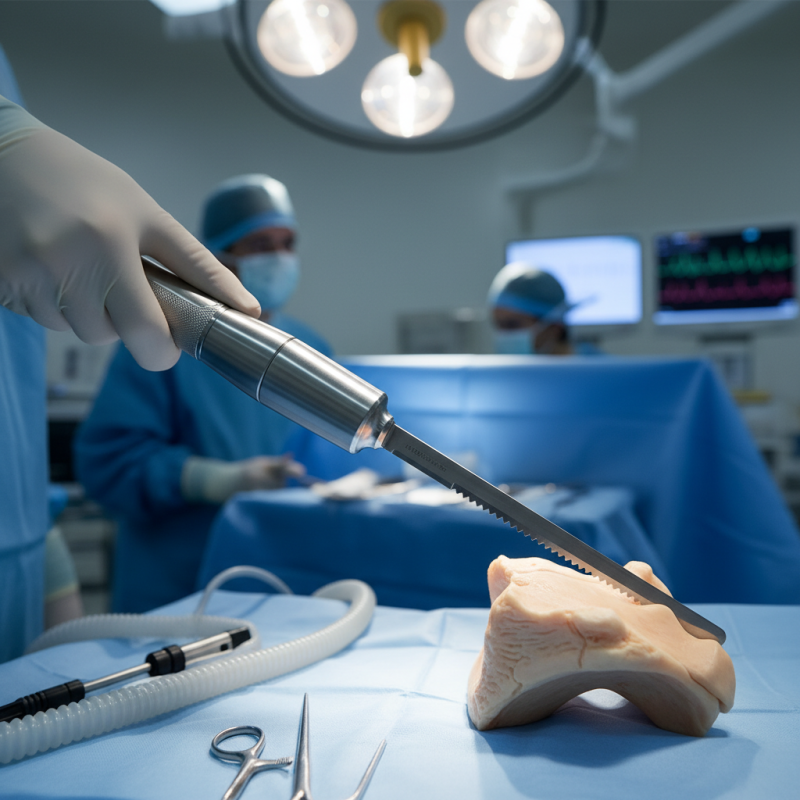
The "Sternum Saw" is a specialized surgical tool designed for precise bone cutting. Used primarily in thoracic surgeries, it helps surgeons access the heart and lungs. This saw has a unique design, featuring a narrow blade that ensures minimal damage to surrounding tissues.
Surgeons often rely on it during operations like a median sternotomy. This technique involves cutting through the sternum to gain access to the chest cavity. The process requires skill and a steady hand since any error can lead to complications. Surgeons must consider the anatomy of each patient, as individuals vary widely.
Despite its effectiveness, the use of a Sternum Saw is not without challenges. Operations can be stressful, and the potential for mistakes exists. Surgeons continuously reflect on their techniques to improve outcomes. With each use, they learn to handle the saw with more precision and care. This instrument exemplifies the balance between advanced technology and the artistry of surgery.
What is a Sternum Saw?
A sternum saw is a specialized surgical tool. It is primarily used in open-heart surgery. This saw allows surgeons to access the chest cavity by cutting through the sternum, or breastbone. The design of the sternum saw ensures precision and safety. It can be powered electrically or can be manually operated.
When using a sternum saw, surgeons must be trained and experienced. The task requires great care. Precision is crucial to avoid damaging surrounding tissues and organs. There’s always a risk of complications during surgeries. Surgeons must remain calm and focused. The procedure can be challenging.
Surgeons might face difficulties in certain cases, such as variations in anatomy. Each patient is unique, which adds complexity to the operation. The choice of saw may also vary. Some surgeons prefer different styles based on their comfort. These choices can affect the operation's outcome, making experience essential for success. Surgeons often reflect on their procedures for continuous improvement.
History and Development of the Sternum Saw
The sternum saw has a significant history rooted in medical advancements. Originating in the early 20th century, it was designed for sternotomy procedures. The first sternum saws were typically handheld and cumbersome. They required manual force, which often led to complications. Surgeons struggled with consistency and precision. Reports indicate a notable complication rate during this period, with errors occurring in nearly 15% of cases.
By the 1970s, technological improvements transformed the sternum saw. Modern saws became electric and more refined. They now feature oscillating blades that reduce trauma to surrounding tissues. Data from recent studies shows that the complication rate has dropped to below 5%. This innovation has enabled quicker surgeries and better patient outcomes. However, surgeons must still exercise caution. While advancements have been significant, misuse or lack of training can lead to serious issues. The shift from rudimentary tools to sophisticated devices is remarkable, yet the importance of skill cannot be overlooked.
Key Features and Specifications of a Sternum Saw
The sternum saw is a specialized surgical instrument used in procedures like open-heart surgery. It typically features a long, narrow blade. This design allows for precise cutting through bone. Surgeons use it to access the chest cavity effectively.
Key specifications include a lightweight handle for easy maneuverability. The blade must be sharp and durable. Safety features are crucial; some saws include guards to protect surrounding tissues. The saw's power source may vary — from electric to pneumatic options.
Tips: Always ensure the blade is properly lubricated. This helps in maintaining smooth operation. Regularly inspect for any signs of wear. A damaged blade can lead to complications during surgery. It’s vital to practice using the tool in a controlled environment. Experience enhances confidence and skill with the sternum saw.
What is a Sternum Saw and How is it Used? - Key Features and Specifications of a Sternum Saw
| Feature | Description |
| Purpose | Primarily used for thoracic surgeries to cut the sternum for access to the heart and lungs. |
| Blade Type | Offers oscillating or reciprocating blades designed for precision cutting. |
| Power Source | Can be electric or pneumatic, with certain models equipped with battery options for portability. |
| Weight | Typically ranges from 1.5 to 3 kilograms (3.3 to 6.6 lbs) for easy handling. |
| Special Features | Some models include adjustable speed settings and ergonomic handles for improved control. |
| Safety Features | Equipped with guards and safety locks to prevent accidental activation. |
| Maintenance | Regular inspection and blade replacement recommended to ensure optimal performance. |
Common Surgical Procedures Involving the Use of a Sternum Saw
A sternum saw is a specialized surgical instrument used in many medical procedures. It is primarily designed to cut through the breastbone, allowing access to the chest cavity. This tool is essential in various cardiac surgeries and thoracic operations.
One common procedure involving a sternum saw is open-heart surgery. Surgeons use this tool to create an incision through the sternum, facilitating access to the heart. This allows for repairs or replacements of heart valves and bypass grafts. Furthermore, the sternum saw is crucial in lung surgeries. It provides the necessary entry point for removing or biopsying lung tissue.
Using a sternum saw requires precision. Surgeons must be cautious as they navigate around vital structures in the chest. Any miscalculation can lead to complications. After surgery, the sternum must heal properly; otherwise, the patient may face issues. While the saw effectively meets surgical needs, its use comes with inherent risks that are always worth considering.
Safety Measures and Best Practices When Using a Sternum Saw
When using a sternum saw, safety is crucial. This tool is designed for precision in surgical settings. The blade needs to be sharp and properly maintained. Always inspect the saw before use. A dull blade can lead to complications. Ensure you have a clear workspace. Remove any unnecessary equipment that could cause distractions.
Personal protective equipment is essential. Wear gloves and safety goggles to protect against debris. A well-fitted surgical gown can prevent contamination. It is important to keep your hands steady during the procedure. Distraction can lead to mistakes. Always have an assistant nearby if needed. They can help manage supplies and provide support.
Understanding the machine's sound is vital. Irregular noises may signal issues. Regular training is necessary to stay updated on best practices. Familiarity with the tool can boost confidence. However, complacency can lead to oversights. Reflecting on one's techniques can improve skills. Safety should never be compromised in any operation.