Essential Tips for Choosing a Double Eccentric Butterfly Valve?
Choosing the right valve for industrial applications can be daunting. The double eccentric butterfly valve stands out for its performance. In recent years, the market for butterfly valves has grown significantly. According to a recent report, the global butterfly valve market is expected to reach $6.21 billion by 2026.
When selecting a double eccentric butterfly valve, it's essential to consider several factors. An improper choice can lead to inefficiencies. For instance, the valve's design affects flow control and pressure drop. A well-chosen valve enhances system reliability. However, many users overlook specifications, leading to greater maintenance costs.
In addition, the right materials are crucial. The material must resist corrosion and wear. This ensures longevity and reduces downtime. But some may hastily select materials based on cost. This can result in subpar performance. Understanding the characteristics of double eccentric butterfly valves is vital for optimal operation. Making informed decisions is key to achieving efficiency and performance goals.
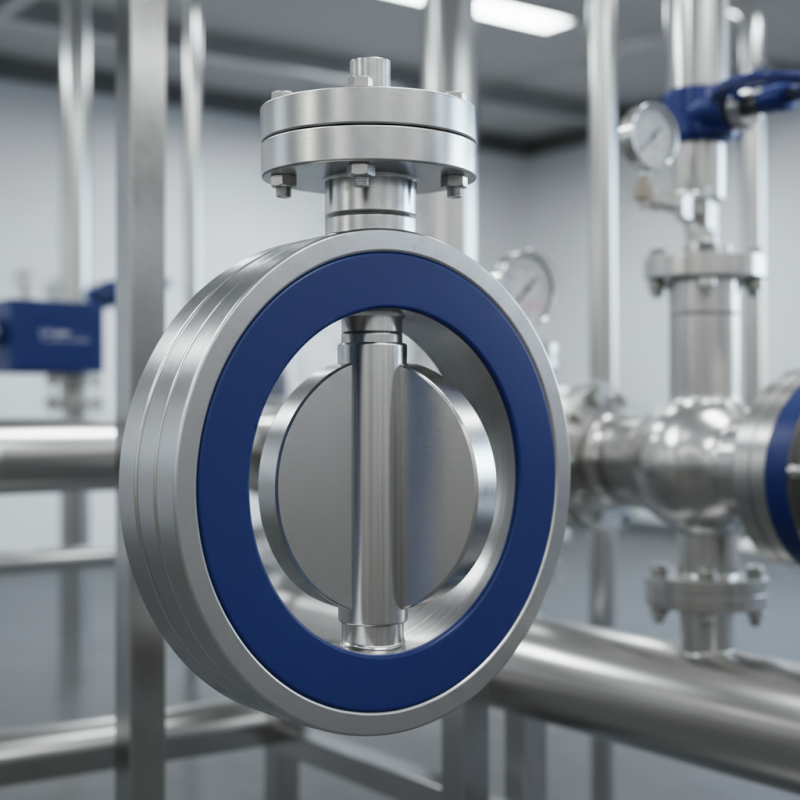
Understanding Double Eccentric Butterfly Valves: A Quick Overview
Double eccentric butterfly valves are gaining popularity in various industries. Their unique design offers better sealing and reduced wear compared to traditional valves. This innovative approach allows for efficient flow control in demanding environments, such as water treatment and chemical processing.
When considering a double eccentric butterfly valve, focus on its construction. Key materials, like stainless steel and high-grade plastics, can influence durability and corrosion resistance. According to industry reports, valves made from high-quality materials can last significantly longer, reducing maintenance costs. Keep in mind that the valve size must match the system requirements to ensure optimal performance.
Tips: Always assess the pressure rating of the valve. A misalignment here can lead to failures. Check for certifications to ensure industry standards are met. It's essential to balance cost with quality. Sometimes cheaper options can lead to unexpected repairs or replacements. Not all valves are suitable for every application, so thorough research is crucial. Proper installation can also impact efficiency. Poor alignment can negate the benefits of a double eccentric design.
Key Design Features of Double Eccentric Butterfly Valves
When selecting a double eccentric butterfly valve, understanding its design features is crucial. These valves are uniquely designed to minimize torque and enhance sealing efficiency. One key feature is the double eccentric disc. This design allows the disc to move away from the seat as it opens, reducing wear and prolonging service life.
Another important aspect is the seat material. The choice of seat material affects the valve's ability to handle various media. A resilient seat can prevent leaks while ensuring a smooth operation. Additionally, consider the body construction. A robust material choice, like cast or forged metals, improves durability under different pressures.
Installation features also matter. Some valves come with adjustable flange configurations. This allows for easier alignment with pipes. However, it's essential to check compatibility with your system. Valves that seem perfect on paper may not fit well in practice. Always consult specifications before making the final decision. This can prevent costly mistakes down the line.
Evaluating Material Compatibility for Double Eccentric Butterfly Valves
Choosing the right material for double eccentric butterfly valves is crucial. Compatibility with the fluid being handled can greatly influence valve performance. For instance, using metal valves with corrosive fluids can lead to failures. On the other hand, plastic valves may not withstand high temperatures. This mismatch often results in leaks and costly downtime. Careful consideration of material properties is essential.
It's helpful to evaluate factors like pH levels and temperature ranges. This ensures that the chosen material can handle the specific conditions of operation. Keep in mind that the environment around the valve also plays a key role. If the valve is exposed to harsh conditions, this can degrade the material over time. Regular inspections can help identify potential issues early.
When selecting a valve, consider these tips: research the fluid’s properties and consult with experts. Verify the compatibility of the valve with seals and gaskets. Take time to analyze the long-term reliability. Choosing the wrong material can lead to unexpected maintenance costs and system failures. Avoiding these pitfalls requires thorough research and consideration.
Assessing Pressure and Temperature Ratings for Optimal Performance
When selecting a double eccentric butterfly valve, it’s crucial to assess pressure and temperature ratings. These ratings directly influence performance. High pressure can lead to valve failure. Therefore, it’s vital to evaluate the specific conditions where the valve will operate. Consider the maximum and minimum pressure levels in your application.
Temperature ratings are equally important. Each valve material has a specific temperature tolerance. Exceeding these limits can cause deformation or leakage. Always match the valve's specifications with the working environment. For instance, high-temperature conditions may require special materials for durability.
Not all valves meet system requirements perfectly. Sometimes, adjustments are needed. Investigating materials and designs can lead to improvements. Check if other users faced similar issues. Learn from their experiences to avoid common pitfalls. Make informed decisions based on reliable data and feedback. A well-chosen valve can enhance system reliability significantly.
Essential Tips for Choosing a Double Eccentric Butterfly Valve
| Parameter | Recommended Value | Notes |
| Pressure Rating (PSI) | 150 - 600 | Choose based on system requirements. |
| Temperature Rating (°F) | -20 to 250 | Ensure compatibility with fluid media. |
| Size Range (inches) | 2 - 36 | Select based on pipeline diameter. |
| Body Material | Cast Iron, Stainless Steel | Consider corrosion resistance. |
| Seat Type | EPDM, PTFE | Match with application for sealing. |
| Actuation Method | Manual, Pneumatic, Electric | Choose based on operational needs. |
Importance of Certification and Standards in Valve Selection
When selecting a double eccentric butterfly valve, certification and standards play a crucial role. Various industry standards ensure that the valves meet specific performance criteria. For example, valves complying with API 609 and ISO 5211 standards are recognized for their reliability and safety. A report from the Valve Manufacturers Association highlights that 70% of valve failures stem from non-compliance with such standards.
Certifications like CE, ANSI, or even ISO 9001 indicate rigorous testing. They help consumers trust the product's quality. However, many subpar products exist in the market without proper documentation. Not all manufacturers prioritize obtaining necessary certifications, risking failures that can cause significant downtime. The cost can be substantial, with repair and replacement expenses averaging between 10,000 to 50,000 dollars per incident.
When considering a valve, analyzing certification details must not be overlooked. A valve may look robust but lack essential certifications. This disconnect can lead to poor operational performance. Faulty valves can result in leaks or pressure losses, which are preventable through proper selection. Tracking the background of your supplier is as important as reviewing the valve's specifications.
Essential Tips for Choosing a Double Eccentric Butterfly Valve
This chart illustrates the relative importance of various factors to consider when selecting a double eccentric butterfly valve. Each criterion is rated on a scale from 1 to 10, reflecting its significance in the selection process.