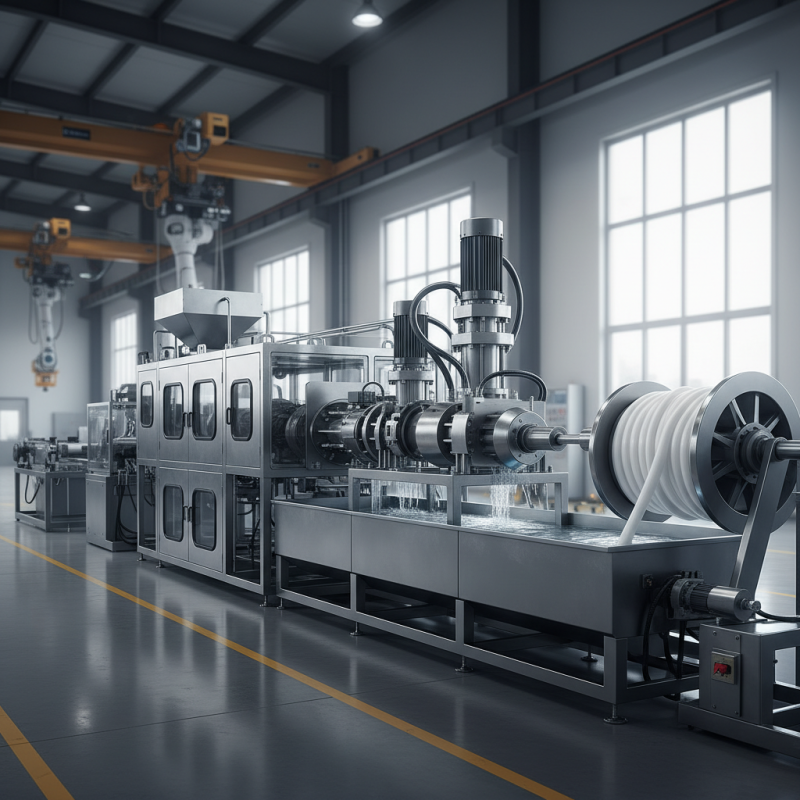
Top 5 Tips for Choosing a High Speed Insulation Extrusion Line?
Choosing the right High Speed Insulation Extrusion Line can significantly impact your production efficiency. This type of machinery is essential for producing high-quality insulation materials. However, selecting the best line is more complex than it seems.
Consider the specific needs of your operation. Factors like speed, material compatibility, and energy efficiency play crucial roles. Research various manufacturers to understand their processes. Some may provide advanced technology, while others might focus on affordability. It's important to weigh all pros and cons.
Don't overlook the importance of reliable after-sales support. Equipment downtime can be costly, so ensure that service options meet your expectations. Furthermore, read customers' reviews and case studies to gain insights. All these factors contribute to making a well-informed decision regarding your High Speed Insulation Extrusion Line.
Understanding the Importance of Speed in Insulation Extrusion Lines
In insulation extrusion, speed is a crucial factor. A high-speed extrusion line ensures efficiency and quality in manufacturing processes. When choosing this equipment, it’s vital to understand how speed affects production. Faster extrusion leads to increased output, reducing overall costs. It’s essential to balance speed with other quality factors.
One tip is to evaluate the line’s output capacity. Compare it with your production goals. A line that operates too slowly might not meet market demands. Additionally, consider the material properties. Different materials require varying extrusion speeds for optimal results. Ensuring that your line can handle these variations is key.
Training your staff is another important aspect. A knowledgeable team can maximize the line's capabilities. They should understand how speed affects product consistency. Mistakes can arise with high-speed operations. It’s critical to maintain quality control without compromising speed. Regularly review your production processes for potential improvements. This balance will enhance overall efficiency in your insulating products.
Key Features to Look for in High-Speed Extrusion Machinery
When selecting a high-speed insulation extrusion line, understanding key features is essential. Efficiency is crucial; look for machinery that promotes rapid processing without compromising on quality. A well-designed cooling system ensures optimal output because it prevents overheating. This feature directly impacts the lifespan of the equipment and the final product’s integrity.
Precision is another vital aspect. High-speed lines must provide consistent thickness and density in the insulation material. Consider how the machine manages temperature control and material flow. Variability in these areas can lead to defects. Operators must regularly assess the equipment for signs of wear or inconsistencies.
Automation features can enhance productivity. Machines equipped with advanced control systems simplify operation. However, an over-reliance on technology may create issues. It's important to balance automation with skilled human oversight for quality assurance. Gauge the machine's adaptability to new insulation materials, as this flexibility can be crucial in a constantly evolving market.
Evaluating Material Compatibility for Efficient Insulation Production
Choosing the right materials for high-speed insulation extrusion is crucial. Material compatibility significantly affects production efficiency and product quality. According to a recent industry report, nearly 70% of production downtime is linked to material inconsistencies.
Understanding thermoplastic materials is essential. Materials like PVC, PE, and TPR are commonly used. Each has unique properties that can influence the extrusion process. For example, PVC offers excellent thermal insulation but may degrade at higher temperatures. On the other hand, PE has great flexibility but may not provide the same level of heat resistance.
Testing material properties before large-scale production is vital. Conducting split tests can reveal potential issues early. Many manufacturers overlook this step, leading to costly errors. Regularly reviewing material suppliers is also important. Ensure they meet industry standards for quality and safety. A small oversight in material selection can cascade into significant inefficiencies.
Assessing the Energy Efficiency of Extrusion Equipment
When assessing the energy efficiency of an insulation extrusion line, focus on various factors that impact performance. Look for models that feature advanced heating systems. Efficient heating reduces energy consumption. Additionally, consider the cooling mechanisms used in the process. Proper cooling can prevent overheating and increase overall efficiency.
Another essential aspect is the overall design of the extrusion line. Streamlined designs often minimize energy loss during operation. Evaluate the insulation materials used in the machine's construction, as these can significantly influence energy use. Choose equipment made from materials that provide excellent thermal control. High-quality components can enhance the line's reliability, but aren't always affordable.
Pay attention to the operational metrics of the extrusion line. These metrics help track energy consumption over time. Regularly reviewing energy efficiency can highlight areas for improvement. Often, operators may overlook the cumulative energy costs. Addressing these issues can lead to enhanced efficiency and long-term savings. Don’t hesitate to gather data from previous operations for a clearer understanding.
Choosing a Reliable Supplier for Long-Term Performance and Support
Choosing a reliable supplier is crucial for your insulation extrusion line. A good supplier provides not only quality equipment but also long-term support. Look for suppliers with a solid track record. Research their history in the industry. Customer reviews and testimonials can offer insight into their reliability.
Consider the supplier’s maintenance and support services. They should have a dedicated support team available. This ensures quick resolutions to any issues that arise. Faulty equipment can lead to significant downtime. Downtime affects production and, ultimately, profits.
Evaluate the supplier's expertise in insulation extrusion. Experienced suppliers understand the complexities of the process. They can offer tailored solutions to meet your specific needs. A supplier who invests in their technology shows commitment to quality. This investment translates to better performance and longer-lasting equipment.