5 Tips to Choose the Best All Electric Injection Molding Machine?
Choosing the right All Electric Injection Molding Machine is crucial for manufacturers seeking efficiency and quality. Industry expert Dr. Emily Chen, a prominent figure in molding technology, states, "Selecting the best machine can reshape your production process." Her insight reflects a common challenge faced by many in the field.
With numerous options available, it can be overwhelming. The right choice affects not only production costs but also environmental impact. An electric machine generally consumes less energy. This leads to reduced operational costs over time, yet the initial investment may be significant.
Evaluating features like precision, cycle time, and maintenance requirement is essential. Each component influences performance. Many companies rush the decision, only to face costly operational hurdles later. Taking the time to research and understand these machines can mean the difference between success and disappointment.
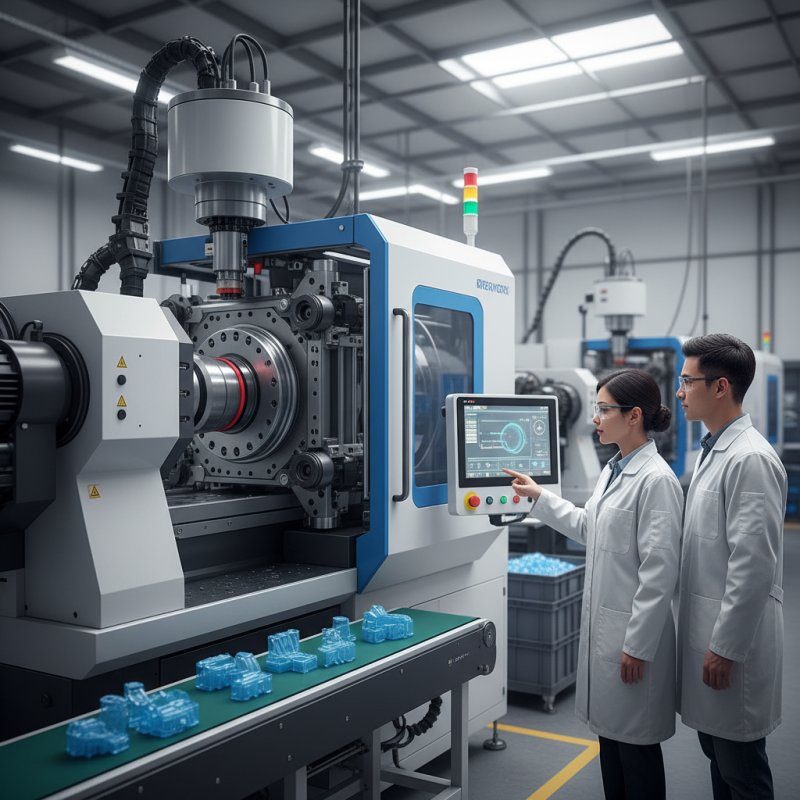
Understanding the Basics of All Electric Injection Molding Machines
All electric injection molding machines have become popular in the manufacturing sector. Understanding their basics helps in making informed decisions. These machines use electric servo motors instead of hydraulic systems. This design boosts energy efficiency and precision. The ability to control speed and motion with high accuracy leads to better product quality.
When selecting an all electric machine, consider the clamping force needed for your projects. This force dictates the machine's capability to handle different materials. Also, look into the machine's cycle time. While electric machines typically offer faster cycles, not all designs meet high-performance standards. A closer look at the specifications and real-world examples can reveal insights.
It's essential to recognize that every machine has limitations. Maintenance requirements can vary significantly, impacting downtime. Additionally, the upfront cost of all electric machines can be a barrier for some. Reflecting on these factors, along with potential energy savings, might reveal what truly aligns with your production goals.
Key Features to Consider When Selecting an Electric Injection Molding Machine
When selecting an electric injection molding machine, several key features should be at the forefront of your decision-making. One of the most critical aspects is energy efficiency. Electric machines can produce high-quality parts while consuming less power than traditional hydraulic options. This not only reduces operating costs but also contributes to a more sustainable production process.
Another essential feature to consider is precision control. The best electric injection molding machines offer excellent repeatability and accuracy. This ensures that every part you produce meets the highest standards. Precision can significantly impact overall production quality.
It’s also essential to evaluate the machine's versatility. A good machine should handle different materials and part sizes. This flexibility can greatly enhance your production capabilities. Lastly, consider the machine's maintenance needs. While electric machines generally require less maintenance, taking time to understand their upkeep ensures longevity and reliability.
By focusing on these features, you can make a more informed choice that aligns with your production goals. Reflecting on these elements can help you realize the nuances between options available.
Evaluating Production Efficiency and Cost-Effectiveness
When selecting an all-electric injection molding machine, evaluating production efficiency is crucial. These machines often offer precise control over the molding process. This precision can lead to higher-quality products. In turn, this may reduce waste and enhance overall productivity. However, the upfront costs can be significant. It’s important to analyze the long-term savings against initial investments.
Cost-effectiveness extends beyond purchase price. Energy consumption is a key factor. Electric machines generally consume less energy than their hydraulic counterparts. This efficiency can lower operating costs over time. Maintenance, too, should be considered. While electric machines have fewer moving parts, any required repairs might take time. Downtime can affect production, impacting overall profitability.
It’s essential to reflect on your production needs. Consider your production volume and product complexity. Higher volumes may benefit from the speed of an electric machine, but lower demand could make costs harder to justify. Balancing efficiency and expenses requires careful thought. Ultimately, the best choice hinges on a thorough evaluation of both your immediate and future manufacturing requirements.
Assessing Technical Support and Maintenance Options
When selecting an all-electric injection molding machine, technical support and maintenance options are critical factors. You need to consider not just the initial purchase but also ongoing support. A machine that lacks reliable technical service can lead to unforeseen downtime and increased costs. Evaluate the manufacturer's responsiveness to service requests and the availability of spare parts. This insight can help avoid production delays.
Understanding the maintenance requirements is equally essential. Some machines require more frequent checks and adjustments. Look for models that provide clear guidelines for routine care. It can be frustrating when maintenance is complicated or poorly documented. Additionally, consider the availability of trained technicians in your area. If parts and service are hard to reach, it can hinder your operations significantly.
Reflecting on user experiences will enhance your decision. Speak to other operators to gain insight. Their feedback can reveal potential pitfalls or advantages you might not have considered. A machine might promise efficiency but could fall short in real-life scenarios. Prioritize manufacturers with a tangible commitment to customer support and a solid maintenance infrastructure. This will ultimately save you time and money.
Comparison of Technical Support and Maintenance Options for All Electric Injection Molding Machines
Comparing Leading Brands and Models in the Market
When selecting an all-electric injection molding machine, understanding market options is crucial. Each model varies in performance, efficiency, and technology. This can be daunting for both new and experienced users. A thorough comparison can lead to informed decisions, minimizing potential production issues.
Examining key features is essential. Some machines boast faster cycle times, while others emphasize precision. Energy consumption also varies, impacting operational costs. Reading user reviews provides insights into reliability and real-world performance. Exploring technical specifications aids in determining which models suit specific production needs.
Not all brands are created equal. Some may have a strong track record, while others might still be gaining reputation. It is vital to assess the warranty and support offered. Looking at case studies can provide deeper insights into how machines perform over time. Reflecting on your specific requirements and budget will help you navigate these complexities.
5 Tips to Choose the Best All Electric Injection Molding Machine
| Feature | Importance | Recommended Specifications | Typical Models |
| Clamping Force | High | 500 - 5000 kN | Model A, Model B |
| Injection Speed | Medium | 100 - 300 mm/s | Model C, Model D |
| Energy Efficiency | High | > 30% Energy Savings | Model E, Model F |
| Control System | High | Servo-driven with touchscreen | Model G, Model H |
| Maintenance Requirements | Medium | Low-maintenance design | Model I, Model J |