
Skip to content
Menu

China Top 10 Multi Lane Packing Machine Suppliers

China’s Top 10 Multi Lane Packing Machine Suppliers deserve careful evaluation beyond production speed. A reliable machine must handle accurate dosing, stable sealing, gentle product transfer, and continuous operation. On a factory floor, small details matter. Film alignment, lane balance, servo response, and cleaning access can affect every shift.

Jorge Izquierdo, Vice President of Market Development at PMMI, has said, “Automation creates value when it solves a real production problem, not when it merely adds technology.” This principle fits the Multi Lane Packing Machine market. The best supplier is not always the one offering the highest output. Practical compatibility matters more. Product shape, packaging material, factory space, and operator skill should guide the decision.

This guide compares ten leading suppliers through technical capability, customization, after-sales support, machine reliability, and application experience. It considers equipment used for snacks, confectionery, pharmaceuticals, hardware, and other regularly portioned products. Real performance can differ between brochures and production lines. That is worth remembering.

Some suppliers may appear similar. They are not. One may offer faster changeovers, while another provides stronger local service. A third may deliver better integration with weighing, inspection, and cartoning systems. These differences can influence waste, downtime, and long-term operating cost. The ranking is therefore useful, but not absolute. Buyers should verify test results, spare-parts availability, safety compliance, and service response before signing a contract. There is no perfect machine. There is only a better fit for a specific production need.
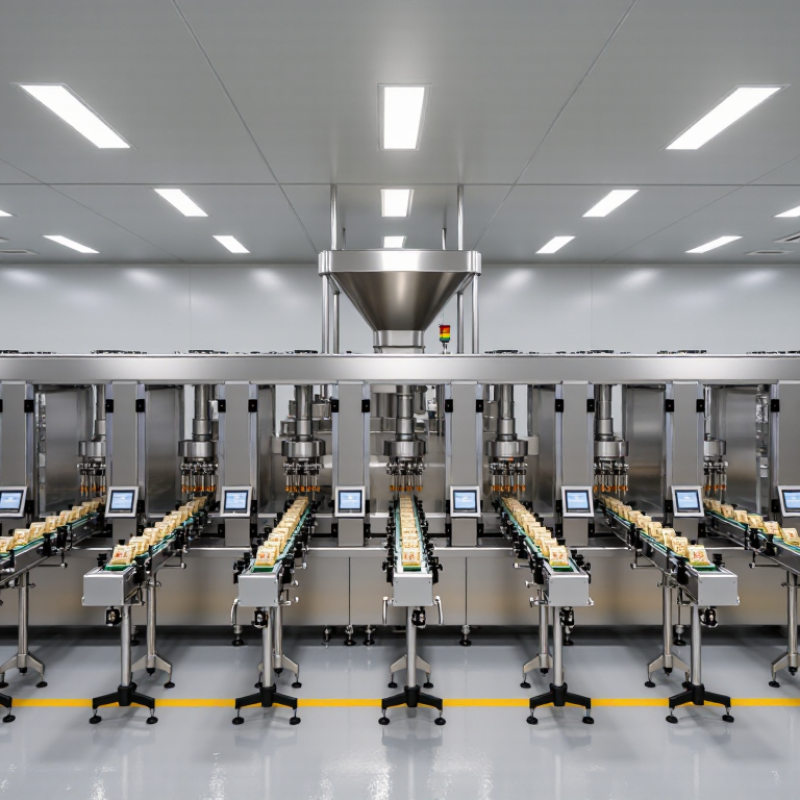
China Top 10 Multi Lane Packing Machine Suppliers

What Is a Multi Lane Packing Machine?

A multi lane packing machine divides one product flow into several parallel lanes. Each lane measures, forms, fills, and seals individual packs. This design increases output without requiring a much wider conveyor system.

Imagine small biscuits entering six narrow channels. Timing wheels separate them, while sensors monitor spacing and product presence. A forming collar shapes the film around each portion. Heat-sealing jaws then close the top and bottom edges. The finished packs leave in a regular row.

It is not magic.

In practical production checks, lane alignment matters as much as machine speed. A small timing error can create uneven fills, empty packs, or crowded discharge points. Modern systems commonly use servo motors, programmable controls, and photoelectric sensors to coordinate these movements. Operators should also check seal temperature, film tension, cutting accuracy, and cleaning access during routine inspections.

Different products need different configurations. Powder, granules, snacks, and small hardware may require separate dosing methods. Sticky products can disturb feeding accuracy, especially when humidity changes. That assumption is risky. Faster operation does not always mean better production. A slower, stable setting may reduce waste and protect seal quality.

From an equipment evaluation perspective, buyers should examine lane flexibility, changeover time, maintenance access, and spare-part availability. Clear operating records improve reliability. Real factory trials remain important because product shape, size, and flow behavior can differ from laboratory samples.

How Multi Lane Packing Machines Work

When evaluating suppliers in China, buyers should understand the machine’s internal sequence. Multi lane packing machines divide one product stream into several synchronized lanes. A forming collar shapes film around each lane, while heated sealing jaws create individual sachets. A servo-driven film puller controls bag length with measured precision. Sensors monitor registration marks, product presence, and seal temperature. Small timing errors can cause waste. Good setup matters.

At the infeed, a hopper or dosing unit measures each portion before release. Augers handle powders, while volumetric cups suit many granular materials. Liquid products need pumps and anti-drip nozzles. The controller coordinates dosing, film movement, cutting, and discharge. If one lane stops, the machine may pause all lanes or isolate the affected lane. That choice depends on software, safety design, and product behavior. Operators adjust speed, temperature, and fill timing through a touchscreen.

During commissioning, seal pressure deserves as much attention as speed. Dust on the sealing area can create weak edges, even when temperature looks correct. I would verify weight variation across every lane, not only the average result. This exposes uneven feeding or worn dosing parts. Cleaning access also matters. A fast machine is not useful if changeovers become slow or inconsistent. The process is rarely perfect. Buyers should review trial data, spare-part access, operator training, and documented maintenance intervals before selecting a supplier.

China Top 10 Multi Lane Packing Machine Suppliers - How Multi Lane Packing Machines Work
Rank Anonymous Supplier Profile Typical Lane Count Common Product Applications Compatible Packaging Materials Typical Output Range Typical Weighing Accuracy How the Multi Lane Packing Machine Works
1 High-Speed Snack Packaging Specialist 10–20 lanes Potato chips, nuts, candies, puffed snacks and small snack portions Heat-sealable laminated film, BOPP/PE and metallized film Up to 1,200–2,400 bags per minute Usually within ±0.5–1.0 g, depending on product and target weight A multi-head weigher or volumetric dosing system measures product portions. A distribution system feeds each lane, while vertical forming tubes create individual bags. Servo-driven jaws then seal and cut all lanes simultaneously.
2 Small Sachet and Stick-Packing Specialist 4–12 lanes Sugar, salt, instant coffee, seasoning, powder and granulated ingredients Paper/PE, PET/PE, laminated foil and other heat-sealable roll stock Approximately 120–600 sachets or sticks per minute Typically ±1–2% for powders and free-flowing granules The film is unwound and formed around several filling tubes. Augers, pumps or volumetric cups dose the product into each lane. Longitudinal and transverse sealing systems produce separate sachets or stick packs.
3 Frozen Food Packaging Specialist 8–14 lanes Frozen vegetables, fries, seafood, dumplings and mixed frozen foods PE, laminated PE films and moisture-resistant heat-sealable structures About 400–1,100 bags per minute Commonly ±1–2 g for small portions; product dependent Product is distributed from a multi-head weigher or linear weigher into parallel lanes. Anti-condensation controls, stainless-steel construction and synchronized sealing help maintain performance in cold and humid environments.
4 Pharmaceutical Powder and Granule Specialist 4–10 lanes Pharmaceutical powders, granules, oral rehydration salts and nutritional supplements Medical-grade laminated film, foil laminates and approved heat-sealable films Approximately 80–500 packs per minute Often controlled within ±1–2%, subject to validation requirements Servo-controlled augers or volumetric dosing units deliver a measured amount to every lane. Sensors check film registration and sealing conditions, while recipe controls support repeatable dosing and batch changeovers.
5 Liquid and Sauce Sachet Specialist 4–12 lanes Ketchup, sauces, honey, shampoo, gels and single-use liquid products PE, PET/PE, foil laminates and liquid-compatible multilayer films Approximately 100–600 sachets per minute Usually within ±1–2%, depending on viscosity and temperature Piston, pump or time-pressure fillers meter the liquid into multiple forming tubes. The machine controls filling timing, film alignment and heat-sealing pressure to reduce leakage and product contamination.
6 Bakery and Confectionery Packaging Specialist 6–16 lanes Cookies, biscuits, chocolate pieces, gummies and small baked products OPP, BOPP/CPP, PET/PE and other heat-sealable flexible films Approximately 300–1,500 bags per minute Usually ±0.5–1.5 g for countable or weighed products Products are counted or weighed and distributed across parallel lanes. Forming collars shape the film, followed by continuous or intermittent sealing. Product sensors help prevent empty or incorrectly filled packages.
7 Tea, Herbal and Agricultural Product Specialist 6–12 lanes Tea, herbs, seeds, grains, dried flowers and agricultural products Paper/PE, PET/PE, compostable laminates and conventional laminated films Approximately 200–900 bags per minute Typically ±1–2 g, depending on bulk density and particle shape A linear weigher, volumetric cup or auger measures the material. Multi-lane feeding keeps portions synchronized, and servo-controlled sealing units form pillow bags, three-side-seal sachets or stick packs.
8 Hygiene and Personal Care Sachet Specialist 4–10 lanes Wet wipes liquid, lotions, creams, powders and personal-care samples PET/PE, foil laminates, PE and high-barrier flexible film Approximately 100–500 packs per minute Generally ±1–2%, depending on formulation and filling system The product is pumped or auger-dosed through independent filling channels. Film is continuously formed and sealed, while photoelectric sensors control registration and reject packs with missing or incomplete fills.
9 Retail Trial-Pack and Sample-Pack Specialist 4–8 lanes Single-use samples, promotional portions, condiments and small retail packs Paper laminates, PET/PE, foil laminates and recyclable mono-material films Approximately 80–400 packs per minute Typically ±1–2%, based on filling technology and product properties Several narrow film webs or one divided web are guided through forming stations. Each lane receives a controlled dose, then synchronized sealing and cutting create uniform sample packs with optional tear notches.
10 Flexible Customization and OEM Integration Specialist 2–20 lanes Mixed dry goods, powders, granules, liquids and application-specific products Heat-sealable films selected according to barrier, recyclability and product requirements Approximately 60–2,000 packs per minute Commonly ±0.5–2%, depending on the dosing method The machine is configured with the appropriate dosing system, lane distributor, forming set, sealing jaws and control software. PLC synchronization coordinates feeding, filling, registration, sealing, cutting and automatic fault detection.

Key Features of China’s Leading Suppliers

China’s leading multi lane packing machine suppliers usually combine modular design with practical production experience. Their systems may handle four, six, eight, or more lanes, depending on product size and output targets. Servo-driven dosing units help maintain accurate filling across lanes. Synchronized film pulling reduces wrinkles and uneven seals. Small details matter.

A reliable supplier should provide stainless steel contact parts, clear HMI controls, and adjustable sealing temperatures. Quick-change tooling can shorten cleaning and product changeovers. Experienced engineers also test products with different moisture levels, shapes, and flow rates before final approval. Factory acceptance testing should record speed, filling accuracy, seal strength, and reject rates. These records support professional quality checks and improve accountability.

Strong suppliers offer more than impressive machine speed. They explain maintenance intervals, spare-part availability, and operator training in practical language. Remote diagnostics can reduce downtime, but local technical support remains valuable. Destination-market compliance documents should be complete and traceable. Some suppliers promise extremely high output without discussing film quality or product behavior. That deserves careful questioning. No supplier is flawless. A sound evaluation compares test results, service response, customization limits, and total operating cost. Visiting a production site can reveal cable routing, weld quality, noise levels, and cleaning access better than a brochure. Even a well-built machine may require adjustment during the first production week.

China’s Top 10 Multi Lane Packing Machine Suppliers

China’s Top 10 Multi Lane Packing Machine Suppliers are often compared by output, engineering support, and customization. A serious supplier should explain lane design, filling accuracy, sealing performance, and compatible film materials. Product demonstrations matter more than polished catalog photos. Watch the seals.

In practical factory visits, buyers should inspect stainless-steel contact parts, servo response, sensor placement, and cleaning access. A reliable supplier provides test results using the buyer’s actual product. Ask for speed data at different weights, not only the highest advertised rate. Installation training, spare parts availability, and remote troubleshooting also affect long-term performance. Some machines look efficient but become difficult to maintain after installation. That weakness deserves attention.

Tips: Prepare product samples before requesting a quotation. Record target weight, bag dimensions, lane count, and production hours. Check whether the electrical system suits your facility. Request a clear acceptance standard for speed, accuracy, and rejected bags. Speak with technical staff, not only sales representatives. Leave room for doubt. A short trial cannot reveal every seasonal or material change. Review the results again after several production cycles.

How to Select the Right Chinese Supplier

Selecting among China’s top multi lane packing machine suppliers requires more than comparing catalog prices. Start with your product, lane count, target speed, pouch dimensions, and filling accuracy. A supplier should explain how its machine handles powder, granules, or liquid products. Clear answers show engineering competence. Vague promises are warning signs.

Ask for factory videos, technical drawings, test reports, and recent customer references. Check whether the supplier builds key components in-house or coordinates several subcontractors. Request a sample test using your actual product. Observe sealing quality, film tracking, changeover time, and rejected packs.

Confirm electrical standards, documentation, installation support, spare parts, and operator training. These details often decide whether a low quotation remains economical. Do not accept certificates without checking their scope and validity.

Tips:

Compare total ownership cost, not only the machine price. Require written performance targets and acceptance procedures. Visit the factory when possible. A live inspection can reveal weak wiring, poor sanitation, or rushed assembly. Ask how quickly service engineers respond across your region. Also review warranty exclusions carefully. One practical mistake is trusting impressive speed figures without checking the required film, product flow, and maintenance schedule. Real output may be lower. That is normal, but the supplier should explain why. A dependable partner welcomes difficult questions and records every agreed specification.