Skip to content
Menu

Top 10 Plasma Machine Manufacturers for Global Buyers

For global buyers, choosing a Plasma Machine is not just a price comparison. It is a production decision measured in cut quality, uptime, consumables, and service response. A machine that cuts a clean edge on a 12 mm steel plate may perform very differently on thicker stock or during long shifts. Buyers should compare rated cutting capacity with recommended production capacity, then check sample cuts, controller functions, torch life, and local technical support.

Market reports can help frame the decision, but their forecasts are not purchase guarantees. Grand View Research’s plasma cutting machine market coverage tracks demand by product, application, and region; buyers should review the report’s scope and assumptions before relying on headline growth estimates. Technical guidance matters just as much. The American Welding Society’s Welding Handbook provides established context for welding and cutting processes, while each supplier should document its own machine specifications and test conditions.

A useful rule is simple: “A machine earns its place through repeatable cuts and dependable support, not a brochure rating.” This is a practical buying principle, not a verified quotation from a named industry expert. That distinction matters. The “Top 10 Plasma Machine Manufacturers for Global Buyers” should therefore be judged on evidence: traceable specifications, realistic demonstrations, warranty terms, spare-parts access, and references from comparable workshops. Ask for details. Inspect the cut edge. Then compare the promises with the operating reality.
Top 10 Plasma Machine Manufacturers for Global Buyers

What Plasma Machines Are and How They Are Classified

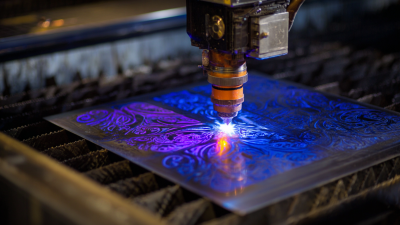
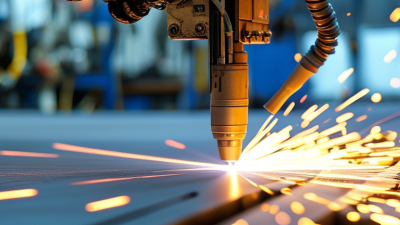
Plasma machines use an electrically energized gas stream to melt and remove conductive metal. The process creates a narrow, high-temperature arc. Compressed air, nitrogen, or other approved gases can carry the arc through a torch. A clean cut usually depends on stable pressure, correct amperage, and suitable consumables. Small errors leave visible dross along the lower edge.

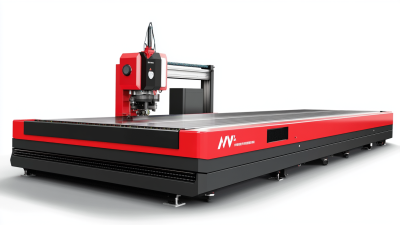
For global buyers, plasma machines are commonly classified by cutting capacity, power source, automation level, and intended material. Handheld models suit repair work, light fabrication, and occasional site cutting. CNC plasma tables offer repeatable shapes for workshops and production lines. High-definition systems provide tighter kerfs and smoother edges on thicker steel, stainless steel, and aluminum. Air plasma is practical for general work, while specialized gas systems may improve finish and productivity.

Classification is not always neat. A compact machine may deliver industrial accuracy, but only with careful setup and regular maintenance. Buyers should check duty cycle, maximum piercing thickness, torch design, voltage compatibility, spare-part access, and applicable safety requirements. I would also inspect sample cuts rather than trusting a specification sheet alone. Look closely at the corners. Are they square, or slightly rounded? Does the machine restart reliably after a pause? These small observations often reveal more than impressive power ratings. Safety remains essential: proper ventilation, eye protection, grounding, and trained operation reduce avoidable risks.

How the Top 10 Manufacturers Were Selected

The ten manufacturers were assessed against practical, verifiable criteria: cutting range, edge quality, duty cycle, power efficiency, consumable life, safety features, and access to parts and technical support. The World Steel Association’s October 2024 Short Range Outlook forecast global steel demand to grow 1.8% in 2024 and 1.7% in 2025. That steady demand makes dependable production capacity important, but a high cutting speed alone does not prove real-world performance.

Energy use also matters. The International Energy Agency’s Iron and Steel Technology Roadmap estimates that steel production accounts for about 7% of global energy-system CO2 emissions. We therefore considered published efficiency information alongside test data and whether specifications were clearly documented.

ISO 9013 provides useful quality classifications for thermal cutting, while IEC 60974-1 sets safety and performance requirements for arc-welding equipment. A scorecard still misses things: a polished brochure cannot reveal how quickly support responds when a torch fails during a shift.

Tips: Ask for a sample cut in your own material and thickness. Check the edge, bevel, and dross under good light. Then confirm local parts availability and service response times in writing.

Profiles of the Top 10 Plasma Machine Manufacturers

The ten manufacturer profiles show how plasma equipment differs across global markets. One specializes in compact machines for workshops with limited floor space. Another builds heavy-duty systems for thick steel and continuous production. A third focuses on CNC automation, combining precise motion control with programmable cutting paths. One supplier develops robotic plasma cells for complex components. Another supports portable units for field maintenance and repair work.

A further manufacturer emphasizes energy-efficient power sources and lower operating costs. One profile highlights custom engineering for unusual table sizes, materials, or factory layouts. Another stands out for retrofit packages that modernize older cutting systems. A ninth supplier provides integrated software, nesting tools, and production monitoring. The tenth profile centers on technical training, spare parts, and regional service teams. These differences matter more than impressive catalog photographs.

Reliable evaluation requires more than comparing maximum cutting thickness. I examine torch height control, duty cycle, consumable availability, and documented testing methods. Safety interlocks and electrical certifications deserve equal attention. Voltage compatibility can prevent expensive installation problems. Service response also matters when a cutting head stops during a night shift. Some published specifications need independent verification. No profile is flawless. Buyers should request sample cuts, maintenance schedules, warranty terms, and references from similar factories. A practical test on the buyer’s own material often reveals weaknesses hidden by polished demonstrations.

Comparing Technology, Performance, and Production Applications

Comparing plasma machines means looking beyond rated cutting speed. Arc stability, torch height control, motion accuracy, and consumable life shape real output. Ask how each system handles pierces, small holes, and edge starts on your usual plate thickness. These details matter more than a fast brochure number. Numbers can mislead.

Performance should be checked with test cuts using the materials and thicknesses your shop actually processes. Inspect edge squareness, dross, kerf width, and hole quality, then note how much cleanup each part needs. A compact table may suit varied repair work, while a larger CNC system may better serve repeat production. Duty cycle, extraction needs, and operator training also affect practical throughput. No single rating captures every shop condition, and comparisons can be imperfect when test materials differ.

Tips: Request a live cutting demonstration with sample files and familiar plate. Record cut time, consumable condition, and finishing effort. Leave room for judgment: one test may not reflect a full shift. Choose based on your workload, available floor space, and the level of automation your team can maintain.

Top 10 Plasma Machine Manufacturers for Global Buyers - Comparing Technology, Performance, and Production Applications

Anonymous comparison of ten common plasma-machine configurations available in the global market. The entries are illustrative equipment profiles, not a verified manufacturer ranking or product specifications attributed to individual suppliers.

No. Anonymous equipment profile Typical plasma current Indicative cutting capability* Technology and automation Typical production applications Key buying consideration
1 Portable manual air-plasma system Approximately 20–60 A Clean cuts commonly up to about 10–15 mm; separation cuts may be possible on thicker plate. Hand torch; compressed-air plasma; single-phase power is available on some units. Maintenance, repair, light fabrication, and on-site cutting of carbon steel, stainless steel, and aluminum. Check input-power requirements, consumable availability, and the rated duty cycle for the intended workload.
2 Heavy-duty manual air-plasma system Approximately 60–125 A Clean cuts commonly in the 15–30 mm range, depending on material and cutting conditions. Hand torch with higher output; air plasma; some configurations support machine-torch connection. General metal shops, equipment repair, demolition, and medium-gauge plate work. Compare sustained output and torch ergonomics, not just the maximum current rating.
3 Entry-level CNC plasma table Approximately 30–100 A Commonly suited to thin and medium plate, with clean-cut capacity often around 6–20 mm. CNC gantry, machine torch, air plasma, and basic CAD/CAM nesting support. Job shops, signage, brackets, panels, and short-run fabrication. Evaluate table rigidity, fume extraction, software workflow, and available operator training.
4 Production CNC air-plasma table Approximately 80–200 A Typical clean-cut capacity is roughly 15–40 mm; results vary by material, speed, and gas quality. CNC gantry with height control, machine torch, and air or oxygen-based process options. Structural components, agricultural equipment, general fabrication, and repeat production parts. Confirm cut quality at the material thicknesses most frequently used in production.
5 High-definition mechanized plasma system Approximately 30–400 A, depending on power-source configuration Often used for precision cutting of thin-to-medium plate; upper clean-cut capacity varies by system and process. Precision torch, CNC motion control, arc-voltage height control, and specialized gas control on many systems. Close-tolerance parts, automated fabrication, and production work where edge quality can reduce secondary machining. Compare consumable life, edge consistency, gas requirements, and total operating cost per cut length.
6 Heavy-plate mechanized plasma system Approximately 200–800 A, depending on configuration Designed for thick conductive plate; some systems can sever substantially thicker material than their clean-cut range. High-current power source, mechanized torch, and heavy-duty CNC table or gantry. Shipbuilding, heavy equipment, large structural parts, and thick-plate processing. Separate clean-cut ratings from maximum severance claims; check power supply, extraction, and facility capacity.
7 Plasma bevel-cutting system Typically approximately 100–400 A Commonly handles plate from thin sections to medium or heavy gauges; achievable bevel angles depend on torch and machine design. Bevel head or tilting torch, CNC path control, and height sensing. Weld-preparation edges, pipe and vessel fabrication, and structural assemblies. Request sample parts to assess bevel accuracy, corner handling, and compensation for kerf and torch angle.
8 Tube and profile plasma cutting system Approximately 30–200 A Capacity depends on torch rating and workpiece geometry; many systems process tube and profiles from small sections to large diameters. Rotary chuck or roller support, synchronized CNC axes, and optional bevel or hole-cutting functions. Frames, handrails, trusses, agricultural structures, and mechanical tubing. Check the usable diameter range, loading method, cut-end accuracy, and support for the required profile shapes.
9 Robotic plasma cutting cell Typically approximately 30–200 A Usually selected for thin-to-medium sections and complex paths; capacity is limited by the torch, robot reach, and fixture setup. Industrial robot, plasma power source, fixtures, safety enclosure, and offline or teach-pendant programming. Repeatable trimming, shaped components, complex contours, and automated cell production. Assess programming effort, cell safety, workpiece access, fixture design, and integration with upstream handling.
10 Multi-torch CNC gantry system Approximately 80–400 A per torch, depending on each power source Capacity is determined by the individual torch systems; multiple torches increase throughput rather than thickness capacity. Large CNC gantry with synchronized or independently controlled torches; often configured with nesting software. High-volume plate processing, shipyards, structural steel, and large fabrication facilities. Verify torch spacing, nesting efficiency, gas and power infrastructure, and whether all torches can run concurrently.

*Cutting figures are indicative market ranges, not guaranteed ratings. Actual clean-cut and severance performance depends on the power source, material type and thickness, gas or air supply, consumables, torch height, cutting speed, and required edge quality. Always compare published test conditions and confirm specifications directly with the equipment supplier.

How Global Buyers Can Evaluate Suppliers and Choose a Machine

Choosing a plasma machine supplier requires more than comparing catalog prices. Global buyers should match the machine with material thickness, cutting speed, table size, and expected workload. A unit for occasional steel projects may fail under continuous factory production.

Ask suppliers for cutting samples using your actual plate grades and thicknesses. Inspect edge smoothness, bevel angle, dross, pierce marks, and dimensional accuracy. Request a video of the machine running, but treat videos carefully. They rarely show maintenance problems.

Reliable suppliers provide clear technical drawings, component specifications, operating manuals, and documented quality checks. Verify electrical compatibility, safety features, installation support, training, warranty terms, and spare-part availability in your region. Independent certifications can support credibility, but certification alone does not prove good service.

Review the total ownership cost. Include power use, electrodes, nozzles, software, shipping, installation, and downtime. Speak with recent customers in similar industries, not only selected references. A factory visit can reveal assembly discipline, inventory control, and testing procedures.

Do not accept vague claims.

A practical supplier evaluation sheet helps. However, checklists can hide important details. A supplier may meet every written requirement yet provide weak communication after payment. Measure response time during negotiations and ask difficult questions about faults, repair delays, and operator mistakes. The best choice is usually the supplier that explains limitations honestly and supports a realistic production plan.