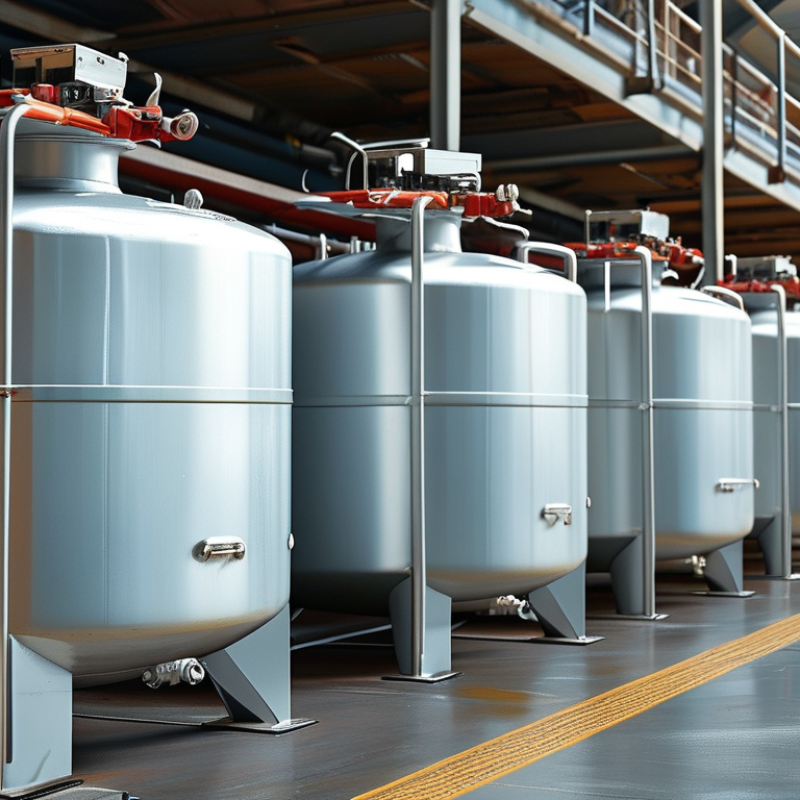
Top 10 Acid Tanks for Global Buyers to Consider?
In the world of industrial storage solutions, Acid Tanks play a crucial role. They are essential for safely containing various acids used in manufacturing and chemical processes. Choosing the right tank is vital for ensuring safety and compliance. The global market offers diverse options, making it challenging for buyers.
When selecting Acid Tanks, factors such as material, capacity, and durability are essential. Quality construction minimizes risks associated with leaks and environmental hazards. Buyers need to analyze suppliers’ reputations and product specifications. The wrong choice can lead to serious consequences.
This article will explore the top 10 Acid Tanks global buyers should consider. Each option will be analyzed for its features and benefits. This guide aims to assist buyers in making informed decisions, ensuring that their investments are safe and effective.
Overview of Acid Tanks: Types and Uses
Acid tanks are essential for many industries. They store various corrosive substances safely. Common types include vertical and horizontal tanks. Each type serves different capacities and needs. Vertical tanks save space; they can be taller and narrower. Horizontal tanks are often easier to transport and install.
When choosing an acid tank, consider the material. This choice affects durability and resistance to corrosion. Common materials include fiberglass, polyethylene, and metal alloys. Each has advantages. Fiberglass is lightweight and resistant to many acids. Polyethylene is often used due to its versatility. Metal alloys can handle extreme conditions but require careful maintenance.
Tips: Always check the tank's specifications. Ensure it meets industry standards. Regular inspections can prevent leaks. Additionally, consider secondary containment to enhance safety. This can protect against accidental spills, minimizing environmental impact. Being proactive in maintenance is crucial for reliability in operations.
Key Factors to Consider When Selecting Acid Tanks
Choosing the right acid tank is crucial for different industrial applications. It’s essential to assess materials, capacity, and safety features. The tank's material must be compatible with the acid it will store. Therefore, options like fiberglass and polyethylene are popular choices. Each material has unique benefits, but it’s important to understand their limitations.
Consider the tank's capacity based on your needs. Too large can lead to inefficiencies; too small can require frequent refills. It's vital to find a balance that suits your operational demands.
**Tips:** Always verify the tank's compatibility with the acid for longevity. Regular inspections can prevent leaks. Ensure proper installation to maintain safety standards.
Safety features cannot be overlooked. Look for tanks with built-in spill containment or secondary containment systems. Reviewing regulatory standards can guide you in making informed decisions. Remember, the right tank not only supports your production processes but also protects your environment.
Top 10 Acid Tanks for Global Buyers to Consider
| Model | Capacity (Liters) | Material | Corrosion Resistance | Temperature Range (°C) | Weight (kg) | Price Range (USD) |
| A-1000 | 1000 | Polyethylene | Excellent | -20 to 60 | 50 | $500 - $800 |
| B-2000 | 2000 | Fiberglass | Very Good | -10 to 70 | 90 | $1200 - $1500 |
| C-3000 | 3000 | Stainless Steel | Excellent | -40 to 90 | 120 | $2000 - $2500 |
| D-1500 | 1500 | Carbon Steel | Good | -20 to 60 | 75 | $700 - $1000 |
| E-500 | 500 | Polypropylene | Very Good | -30 to 60 | 40 | $400 - $600 |
| F-4000 | 4000 | Teflon-Lined Steel | Excellent | -50 to 100 | 180 | $3000 - $3500 |
| G-3500 | 3500 | Reinforced PVC | Good | -25 to 65 | 160 | $900 - $1300 |
| H-2500 | 2500 | Aluminum | Good | -10 to 75 | 100 | $1500 - $2000 |
| I-2000 | 2000 | Borosilicate Glass | Excellent | -5 to 80 | 55 | $2500 - $3000 |
| J-6000 | 6000 | High-Density Polyethylene | Very Good | -15 to 70 | 150 | $450 - $800 |
Top 10 Acid Tank Manufacturers for Global Buyers
When selecting an acid tank manufacturer, buyers should focus on quality and reliability. Ideal manufacturers prioritize materials that withstand corrosion and deterioration over time. These tanks often use high-density polyethylene or specialized steel to provide enhanced safety.
Attention to design is crucial. Manufacturers who offer customizable features can better meet specific industrial needs. Buyers should look for options with advanced technology that ensures precision in acid handling. It is essential to assess the manufacturer's certifications and compliance with international safety standards. This aids in determining the credibility of the supplier.
Engaging with recent customer feedback can provide additional insights. Seeking reviews or case studies can reveal the true performance of the product. However, some buyers may overlook this important step, leading to less informed decisions. As the global market evolves, staying updated with trends and innovations is essential. Reliable manufacturers adapt swiftly to changes, offering improvements that reflect industry standards.
Comparative Analysis of Acid Tank Materials and Durability
When evaluating acid tanks for durability, material selection is crucial. Most commonly used materials include polyethylene, fiberglass, and stainless steel. Polyethylene tanks are lightweight and resistant to many acids, making them a favorable choice for easier handling. However, they can be prone to UV degradation and may not withstand extreme temperatures.
Fiberglass offers excellent corrosion resistance and can endure harsh chemicals. Its strength often comes at a higher initial cost. Users should be aware that fiberglass can flex under pressure, leading to potential leaks.
Stainless steel tanks provide durability and longevity, handling extreme conditions well. However, they may be vulnerable to certain corrosive environments over time.
While all these materials have their pros and cons, the choice ultimately hinges on the specific application and environmental factors. It's essential to weigh the long-term implications of each option. Insufficient research could lead to costly repairs or replacements down the line. Therefore, thorough analysis is essential for making an informed decision in acid tank selection.
Global Trends in Acid Tank Technology and Innovations
The landscape of acid tank technology is evolving rapidly. Innovations are emerging to meet safety and environmental concerns. Recent reports indicate that the global acid tank market is projected to grow by 5.2% annually. This growth is driven by the rising demand for safe storage solutions in various industries.
One significant trend is the development of corrosion-resistant materials. Harder, lightweight composites are minimizing deterioration risks. These materials reduce maintenance costs, enhancing the lifespan of tanks. Data from industry experts show that corrosion can increase operational costs by 30% if not properly addressed. As a result, companies are prioritizing durable designs.
Another critical advancement is the integration of smart monitoring systems. These systems utilize sensors to track the condition of the tank. They can detect leaks or changes in acidity levels in real-time. Reports suggest this technology can reduce the likelihood of environmental incidents by over 40%. However, the implementation of such systems can be complex, requiring careful planning and investment.
Top 10 Acid Tanks for Global Buyers to Consider
This chart illustrates the capacity of different acid tanks available in the global market. The data represents the volume (in liters) of various tank models, helping buyers to make informed decisions based on capacity preferences.