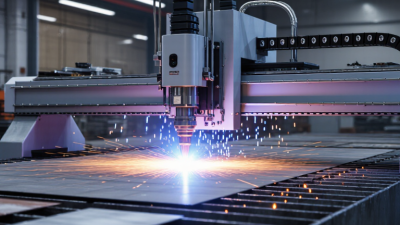
Top 10 Plasma Cutting Services for Global Buyers
Choosing a plasma cutting partner is not just a price comparison. It is a decision about cut quality, production reliability, and the details that shape delivery. A buyer may need clean edges on thick steel plates, repeatable holes in sheet metal, or parts packed securely for a long shipment. The right provider should explain its machine capacity, tolerances, inspection process, and realistic lead times. Clear answers matter.
Plasma-cutting specialist Jim Colt has long shared practical guidance on matching the process to the job. A concise paraphrase of that guidance is: “Match the settings and consumables to the material, thickness, and required cut quality.” This is a paraphrase, not a verbatim quotation. It points to a simple truth: a powerful machine alone does not guarantee a good part. Operator experience and process control count, too.
This guide introduces 10 Plasma Cutting Services for global buyers. It examines their capabilities, supported materials, customization options, quality practices, and communication with overseas customers. Buyers can use these points to compare suppliers against actual project needs, rather than polished claims alone. Some details may still be hard to verify before a first order. That deserves caution. A sample cut, drawing review, or small trial batch can reveal issues that a service page cannot. The comparison is a starting point, not a substitute for asking precise questions.
What Plasma Cutting Services Include and How They Work
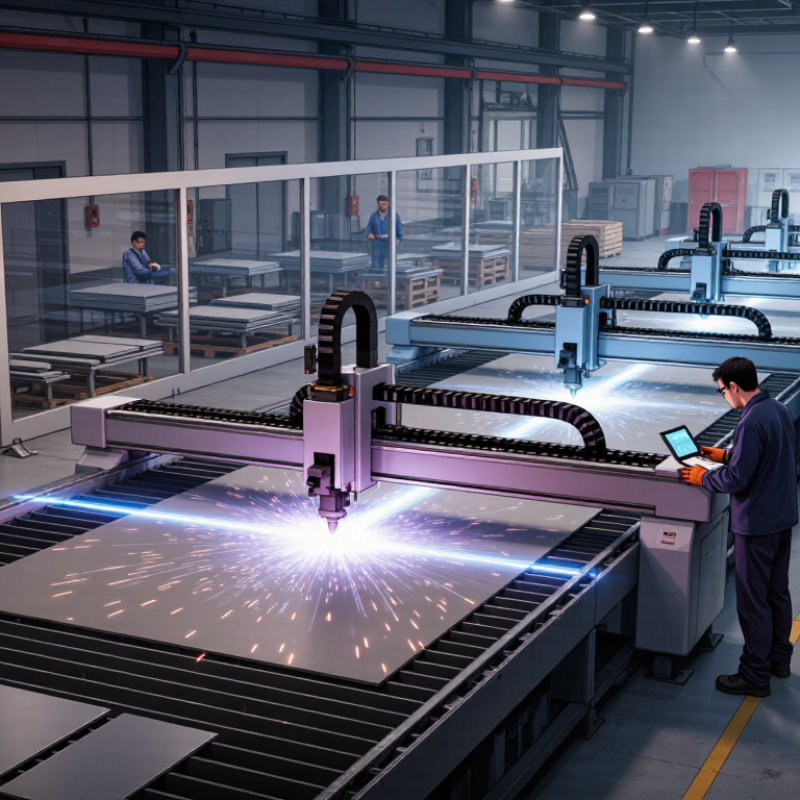
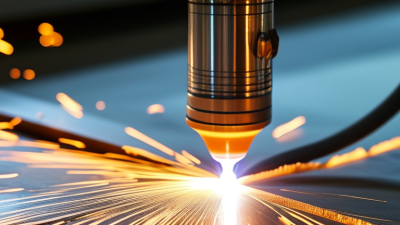
Plasma cutting services convert digital drawings or marked-up sketches into parts cut from electrically conductive metals. A typical job begins with material selection, thickness checks, and file review. The operator then sets torch height, cutting speed, and current to suit the plate. A CNC table follows programmed paths, while a skilled operator may guide a handheld torch for repairs or irregular cuts. The process creates a focused plasma arc that melts metal; compressed gas removes the molten material from the kerf.
Services may include CAD preparation, part nesting, cutting, edge cleanup, and basic inspection. Nesting arranges parts to reduce scrap, though tight layouts can leave little room for heat distortion. After cutting, workers may remove dross, smooth sharp edges, and check key dimensions with calipers. Results depend on material, thickness, machine condition, and setup. Plasma can leave a wider kerf or rougher edge than some other processes. That matters. A drawing alone may not reveal which edges need close tolerances, so buyers should specify them clearly.
Tips: Send a clean drawing with units, material grade, thickness, and required tolerances. Ask how the shop handles dross and edge finishing. For a sample part, inspect the cut face and measure critical features before approving a larger batch. Small details are easy to miss.
Top 10 Plasma Cutting Services for Global Buyers
What plasma cutting services include and how they work: a guide to representative equipment capabilities.
Maximum severance thickness is an indicative upper limit, not a guaranteed production-cut rating. Actual capacity and edge quality depend on the machine, material, amperage, and operating conditions.
How to Evaluate Plasma Cutting Providers for Global Buyers
Top 10 Plasma Cutting Services for Global Buyers
Global buyers should assess plasma cutting providers by more than hourly rates. Ask for documented tolerances, maximum plate thickness, and table dimensions suited to your parts. A 12 mm steel bracket and a 40 mm plate require different equipment and process control. Ask how dimensions are checked, consumables are managed, and inspection results are recorded. Good answers include measurable limits, not just “high precision.” Small details matter.
Request a sample cut using material similar to your production order. Check edge squareness, dross, kerf width, and hole quality under consistent lighting. Keep the sample as a reference. Ask whether secondary grinding is included and how the provider handles warped or heat-sensitive parts. Fast cutting can still create rework. Review a recent inspection report and confirm who approves parts before shipment. Records should identify material grade, thickness, revision, and quantity.
For cross-border orders, evaluate communication and shipping readiness alongside cutting skill. Confirm packaging protects sharp edges and finished surfaces, and request photos before dispatch. Clarify lead-time assumptions, change control, and how delays are reported across time zones. Compare quotes only after aligning scope, tolerances, material sourcing, and inspection levels. A low price may exclude useful checks. One successful sample does not prove consistent output; look for evidence across batches. The evaluation is not perfectly tidy, and it may take a few extra questions.
Top 10 Plasma Cutting Services and Their Core Capabilities
Top 10 plasma cutting services are best judged by what they can cut, how consistently they can cut it, and what finishing they provide. Core capabilities include CNC profile cutting, thin-sheet work, thick-plate cutting, bevel edges, hole cutting, tight nesting, multi-axis cutting, robotic cutting, stainless-steel cutting, and aluminum cutting. A useful supplier can explain its material and thickness limits, not just show a clean sample. Small holes matter.
Grand View Research estimated the global plasma cutting machine market at about US$1.2 billion in 2023. That figure describes equipment demand, not service quality, but it signals a substantial industrial market. For buyers, ask how a shop controls kerf width, dross, edge squareness, and heat distortion.
ISO 9013 provides a framework for assessing thermal-cut edge quality and tolerances. Specs still need context. Part geometry and material condition can affect results.
Tips: Send a dimensioned drawing and material grade with your inquiry. Ask for a cut sample on comparable thickness, plus details on secondary work such as deburring or bevel preparation. A low quote may exclude those steps. One overlooked detail can delay assembly.
Comparing Materials, Tolerances, Lead Times, and Certifications
When comparing ten plasma cutting services, start with the actual part, not a headline price. Share the alloy, thickness, sheet size, quantity, and drawing revision. Mild steel, stainless steel, and aluminum behave differently under heat. Edge condition and dross can vary with thickness and machine setup. Ask which materials the shop cuts routinely, and whether it can provide a sample edge or inspection report. Small holes and narrow slots deserve special attention. A tolerance quoted without part size or thickness is not very useful.
Compare lead times as separate steps: drawing review, production, finishing, and freight. A five-day cutting schedule may not include deburring or export packing. Ask whether dates are estimates or commitments, and how schedule changes are handled. Certifications matter only when they fit the work. Request current certificates, their scope, and material traceability records if your project requires them. Check how measurements are recorded, including the sampling plan. Ask for evidence. A polished brochure is not evidence. One awkward point: the lowest quote may be the clearest, while a detailed quote can still hide assumptions. Confirm kerf allowances, packaging, and acceptance criteria in writing before production starts.
How to Select and Source an International Plasma Cutting Partner
Selecting an international plasma cutting partner begins with a clear part specification. Share material grade, thickness, dimensions, quantity, and the intended finish. A drawing alone may leave room for costly assumptions. Ask how the shop controls kerf width, edge taper, and dross on your material range. Request sample cuts or inspection records for comparable work. Small details matter.
Check whether the supplier can review CAD files, flag design issues, and explain achievable tolerances before quoting. Ask about production capacity, inspection methods, and how changes are documented. Clear answers are more useful than broad promises. It is tempting to choose the lowest quote, but setup fees, rework, and freight can change the real cost. Compare quotations on the same scope and delivery terms.
For cross-border sourcing, confirm packaging, shipping responsibilities, lead times, and the documents provided with each shipment. Ask who will update you if material is delayed or a cut fails inspection. A short trial order can reveal communication gaps before larger volumes are committed. Even a careful checklist cannot prevent every delay. I would reassess the partner after the first shipment, too; a polished sales response does not always predict steady production.
Top 10 Plasma Cutting Services for Global Buyers - How to Select and Source an International Plasma Cutting Partner
| No. | Service Type | Typical Scope | What to Confirm Before Ordering | International Sourcing Considerations |
|---|---|---|---|---|
| 1 | CNC Plasma Plate Cutting | Programmed cutting of plate profiles, openings, and part shapes from customer drawings or approved CAD files. | Ask for the available working area, material and thickness range, achievable tolerances, and drawing-file requirements. Request a sample part or inspection report for critical features. | Specify units, drawing revision, material grade, thickness, and edge-quality expectations in the purchase order. Confirm who is responsible for converting or approving files. |
| 2 | High-Definition Plasma Cutting | Plasma cutting configured for finer detail and improved cut quality compared with conventional plasma, subject to the equipment, material, and process settings. | Review representative cut samples and confirm the supplier's stated tolerances and edge condition for your material and thickness. Do not assume the process replaces laser cutting for every thin-sheet application. | Agree on acceptance criteria using a drawing, sample, or documented inspection plan rather than relying on general descriptions such as “precision cut.” |
| 3 | Plasma Bevel Cutting | Angled edges prepared for applications such as weld preparation, where the machine and setup support the required bevel geometry. | Provide the bevel angle, face dimensions, direction, and applicable drawing details. Confirm whether the supplier can maintain the required geometry across the part and material thickness. | Use clearly dimensioned drawings and agree on how bevels will be measured. Check whether additional machining or fit-up work will be needed after delivery. |
| 4 | Hole and Slot Cutting | Cutting internal features such as holes, slots, and openings as part of a plate-cutting job. | Ask how the supplier handles small features relative to material thickness, and request feature-specific limits and inspection methods for critical holes or slots. | Mark critical dimensions and tolerances on the drawing. Confirm whether drilled, reamed, or machined finishing is required when plasma-cut features do not meet the fit or finish needs. |
| 5 | Nesting and Material Optimization | Arranging multiple parts on a plate to make effective use of material while respecting part orientation and process constraints. | Confirm whether the supplier provides nesting, how remnants are identified, and whether grain direction, heat-sensitive zones, or part-marking requirements are considered. | Agree on whether material yield, remnant ownership, and scrap handling affect the quotation. Request a cut plan when traceability or material allocation is important. |
| 6 | Material Procurement and Traceability | Sourcing plate or sheet to the buyer's specified material grade, thickness, and documentation needs. | Specify the material standard, grade, condition, thickness, and required mill documentation. Confirm how the supplier links material records to finished parts or production batches. | Check that documentation is suitable for the destination market and end use. Clarify substitutions, country of origin requirements, and approval procedures before production. |
| 7 | Deburring and Edge Finishing | Removing dross, sharp edges, or loose burrs after cutting; additional edge treatment may be available by agreement. | Define the required edge condition and whether finishing applies to all edges or only specified areas. Request photos or a sample if the finished edge affects assembly or handling. | State packaging and handling requirements for finished edges. Confirm whether coating, welding, or machining will follow and whether the edge preparation suits that next process. |
| 8 | Dimensional Inspection and Quality Records | Checking selected dimensions and documenting results against the approved drawing or inspection plan. | Identify critical-to-quality dimensions, sampling expectations, measurement methods, and required records. Ask for a sample inspection report before placing a production order. | Agree on document language, units, record format, and retention expectations. For regulated or safety-critical work, verify applicable requirements with your quality team. |
| 9 | Export Packaging and Freight Preparation | Preparing cut parts for transport, including part identification, bundling, protection, and shipping documentation as agreed. | Confirm packing method, maximum package dimensions and weights, corrosion protection if needed, and how parts will be labeled and separated. | Agree on the delivery term, named place, shipping responsibility, and required export documents. Check destination-country import rules and packaging requirements before dispatch. |
| 10 | Prototyping and Short-Run Production | Producing trial parts or small batches to validate drawings, fit, process capability, and finishing requirements before larger orders. | Confirm setup charges, prototype lead time, revision control, and how design changes will be approved. Use a first-article review for parts with important fit or function requirements. | Allow time for international sample shipping and feedback. Document approved samples and drawing revisions so repeat orders can be checked against the same requirements. |
Related Posts
-
What Are Plasma Cutting Services and How Do They Work?
-

How to Choose the Right Plasma Cutting Services for Your Project Needs
-
Top China Best CNC Plasma Table for Global Buyers?
-
Innovations in CNC Plasma Cutting: Transforming Industries in 2025 and Its Advantages
-
Ultimate Tips for Choosing the Best Laser Cutting Table?
-
How to Choose the Best Small Plasma Table for Your Business?