Top 10 Vision Inspection Systems to Enhance Quality Control?
In the realm of manufacturing, ensuring top quality is crucial. Vision Inspection Systems have become integral to quality control processes. John Smith, an industry expert with over 20 years of experience, notes, "A robust Vision Inspection System can drastically reduce defects." This statement underscores the importance of these systems in modern production environments.
Vision Inspection Systems utilize advanced imaging technologies. They help detect defects that the human eye might miss. By employing high-resolution cameras and sophisticated algorithms, these systems streamline quality assurance. However, not all solutions are equally effective. Some may require significant tuning to fit specific production lines. Achieving optimal calibration can be both challenging and time-consuming.
As manufacturers adopt new technologies, they often overlook critical aspects. Implementation of a Vision Inspection System is not simply plug-and-play. It demands thoughtful integration and continuous assessment. Companies must ensure that their selected system aligns with production goals and workflow efficiency. Balancing advanced technology with practical applications is key to realizing the full potential of Vision Inspection Systems.
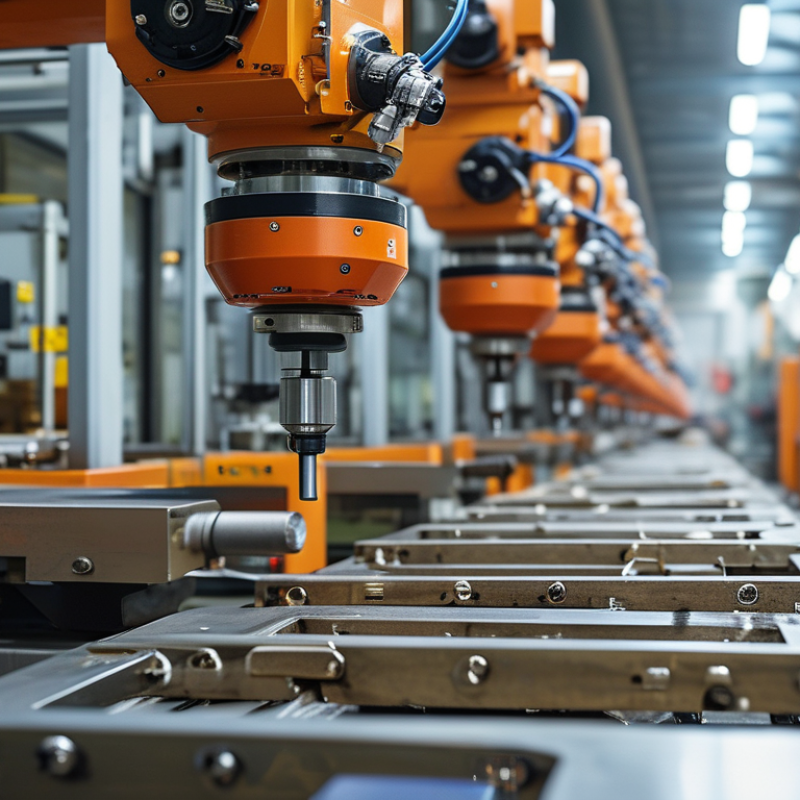
Overview of Vision Inspection Systems in Quality Control
Vision inspection systems play a crucial role in enhancing quality control across various industries. These systems leverage advanced imaging technologies to detect flaws that human eyes might miss. Reports indicate that about 20% of defects can go unnoticed in manual inspections. Automated vision systems can reduce this rate significantly. They ensure consistent quality by providing precise measurements and real-time defect detection.
Data from industry studies shows that integrating vision inspection systems can improve operational efficiency by up to 30%. In manufacturing, consistency is key. However, reliance solely on human inspection can introduce variability. Vision systems create a reliable benchmark for quality, establishing a standard that machines can uphold continuously.
It’s vital to address the potential challenges in implementing these systems. While they enhance accuracy, the initial setup can be complex. Furthermore, training staff to interpret results is essential. Misinterpretation can lead to misguided decisions. Companies must balance the benefits of these systems with the necessity for proficient operation and ongoing evaluation. Regular updates and adjustments to the systems are necessary to keep pace with evolving quality standards.
Key Features of Effective Vision Inspection Systems
Effective vision inspection systems are crucial for enhancing quality control in manufacturing and production. A report by MarketsandMarkets states that the vision inspection system market is projected to reach $2.3 billion by 2025. This growth highlights the increasing reliance on automated solutions for accurate defect detection. A robust system must include high-resolution cameras and advanced image processing capabilities. These features help identify defects that are otherwise invisible to the naked eye.
Additionally, versatility in operation is key. An effective system should adapt to various products and environments. A recent study from Automation.com noted that systems capable of handling different shapes and sizes increase productivity by 25%. Integration with existing production lines is vital for seamless transitions. Latency issues can lead to significant downtimes, impacting overall efficiency. Furthermore, user-friendly interfaces ensure that operators can quickly adapt with minimal training, enhancing workflow.
However, challenges persist. Many companies struggle with system calibration and lighting conditions, leading to inconsistent results. Reports suggest that about 15% of installations face frequent adjustments. Continuous training is essential to keep staff updated on best practices. Only with regular monitoring and evaluation can these systems achieve their potential. Establishing a feedback loop can foster ongoing improvements in accuracy and reliability.
Top 10 Vision Inspection Systems for Industrial Applications
In industrial applications, vision inspection systems are pivotal for maintaining quality control. A recent report highlights that over 70% of manufacturers in sectors like automotive and electronics are adopting these systems. These technologies enhance defect detection rates significantly, often exceeding 90%. This efficiency translates into reduced waste and improved product reliability.
However, not all systems perform equally well under various conditions. Some may struggle with lighting variations or complex backgrounds. A detailed analysis from industry experts reveals that 25% of inspection systems fail in challenging environments. Hence, understanding the specific needs of an operation is critical. Robust training for operators is equally vital, as human oversight can dramatically impact the system's effectiveness.
Moreover, the integration of AI into vision systems has started to shift paradigms. These smart systems learn from previous defects, improving over time. Yet, firms must weigh the costs against potential gains carefully. A significant investment may not yield immediate returns, so patience and continuous assessment are essential.
Comparative Analysis of Vision Inspection Technologies
In the world of manufacturing, vision inspection technologies are vital. They help to maintain high quality control standards. These systems use cameras and sensors to detect defects. They offer real-time feedback that can significantly reduce error rates. Each technology has its own strengths and weaknesses, making a comparative analysis essential.
For instance, 2D vision systems are common and cost-effective. They are great for identifying surface defects. However, they may struggle with complex geometries. On the other hand, 3D vision systems provide more detailed information. They can visualize the product's depth and contours. Yet, their complexity often leads to higher costs and longer setup times. Organizations must weigh these factors when choosing a system.
Issues arise even with advanced technologies. Calibration processes can be time-consuming and prone to human error. This leads to inconsistencies that affect inspection results. Regular maintenance is also necessary to keep the systems operating effectively. Therefore, understanding the limitations and potential challenges of each technology is crucial for making informed decisions. Organizations should reflect on their specific needs before implementation.
Future Trends in Vision Inspection Systems for Quality Control
Vision inspection systems are evolving rapidly. These systems are crucial for enhancing quality control across various industries. Advanced technologies are paving the way for smarter solutions. Artificial intelligence and machine learning are becoming central. They enable systems to learn and adapt. This results in higher accuracy and efficiency.
Future trends indicate a shift towards more integrated solutions. Systems will likely combine imaging with data analytics. This integration will allow for real-time adjustments and insights. Developers are focusing on user-friendly interfaces. Ease of use will attract more operators. However, reliance on technology raises concerns. Errors in AI decisions can occur. Continuous training and validation will be essential.
Environmental factors also play a role. Systems need to operate in diverse conditions. Lighting variations and surface textures can affect performance. Ensuring robustness in different environments presents a challenge. Stakeholders must remain aware of these limitations. The path to perfection is ongoing, requiring constant reflection and improvement.
Top 10 Vision Inspection Systems to Enhance Quality Control
This chart illustrates the accuracy percentages of the top 10 vision inspection systems, demonstrating their effectiveness in enhancing quality control processes. The data reflects recent trends and can serve as a guide for industries seeking to implement or upgrade their quality inspection technologies.