Why Choose Galvanized Coil for Your Construction Projects?
When considering materials for construction projects, the choice often falls on durability and cost-effectiveness. Galvanized Coil is a popular option for many builders. Its design offers a unique blend of resilience and affordability.
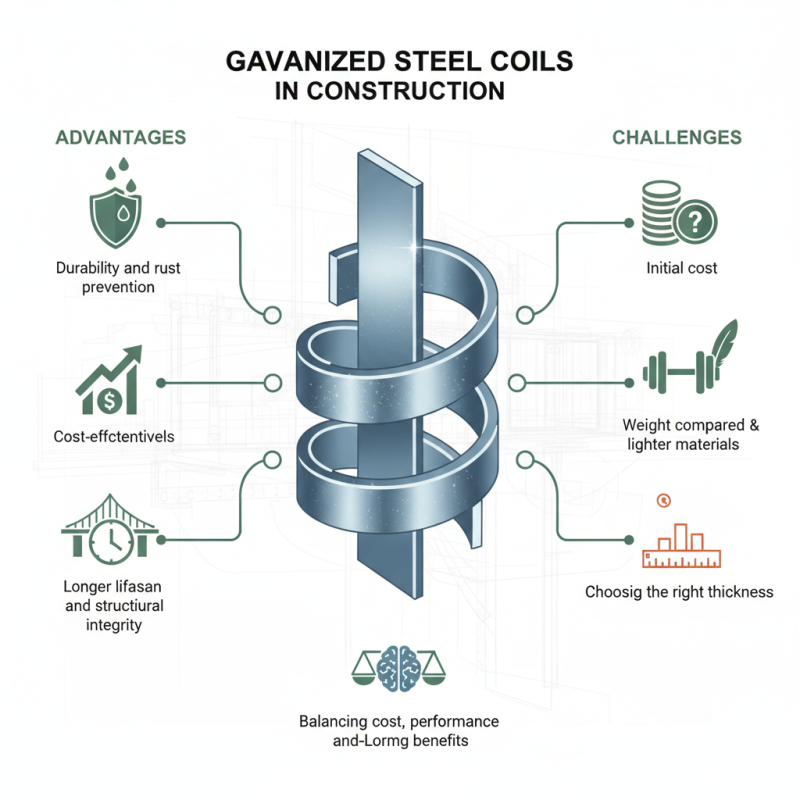
This steel, coated with zinc, prevents rust and corrosion. It lasts longer than non-galvanized alternatives, making it a smart investment. In various environments, especially those prone to moisture, Galvanized Coil shines bright. The protective layer enhances its lifespan, ensuring structural integrity.
However, a few challenges arise with Galvanized Coil. Some may struggle with the initial cost, while others might question its weight compared to lighter materials. Choosing the right thickness is essential too. These factors require builders to reflect and analyze their project needs carefully. The decision is not just technical; it's about balancing cost, performance, and long-term benefits.
Benefits of Using Galvanized Coil in Construction Projects
Galvanized coil has emerged as a popular choice in construction projects due to its durability and corrosion resistance. Reports indicate that structures constructed with galvanized materials can resist rust and other types of wear for more than 50 years. This longevity reduces maintenance costs significantly, presenting a compelling case for builders and contractors.
The use of galvanized coil is not just about longevity. Studies have shown that these materials can withstand harsh environmental conditions. For example, in coastal areas, galvanized steel can resist the salty air that typically accelerates corrosion. Additionally, the application of zinc coating doesn't just protect the steel. It also enhances the aesthetic appeal of buildings, offering a sleek look that can fit various architectural styles.
However, it's essential to reflect on the limitations. While galvanized materials are robust, they may not be suitable for every project. The initial cost can be higher than non-galvanized options, which can deter some budget-conscious builders. Understanding the balance between upfront investment and long-term benefits is crucial. Thus, careful consideration of project-specific needs remains vital when choosing galvanized coil.
Benefits of Using Galvanized Coil in Construction Projects
The bar chart above illustrates the key benefits of using galvanized coil in construction projects. Each benefit is rated on a scale of 1 to 10, highlighting the importance of corrosion resistance and durability, making galvanized coil a preferred choice in various applications.
Understanding the Galvanization Process and Its Advantages
Galvanization involves coating steel or iron with a layer of zinc. This process creates a protective barrier against rust and corrosion. By immersing the metal in molten zinc, it forms a strong bond. This bond is what gives galvanized steel its durability.
The advantages of using galvanized coil in construction are significant. It extends the lifespan of the materials, reducing long-term costs. Projects exposed to harsh weather or moisture benefit from this protection. The sheen of galvanized steel is also aesthetically pleasing. However, it’s worth noting that the appearance can dull over time. Regular maintenance may be needed to preserve its look.
Some challenges come with galvanized steel as well. Welding galvanized material requires extra care. Fumes from welding can be harmful, demanding proper ventilation. Additionally, the initial costs might be higher. Budget considerations are vital for project planning. It's essential to weigh the benefits against potential drawbacks for a successful outcome.
Key Applications of Galvanized Coil in Various Construction Sectors
Galvanized coil has become a popular choice in various construction sectors. Its corrosion-resistant properties make it an ideal material for structural applications. For example, in roofing, galvanized coils are used to create durable sheets that protect buildings from harsh weather. These sheets can last long, but sometimes they can rust if not properly maintained.
Another key application is in the production of fencing. Galvanized coils provide strength and durability to fences, ensuring security for residential and commercial properties. However, the coating can sometimes wear off, leaving areas vulnerable to rust. This highlights the importance of regular inspections and maintenance to ensure longevity.
Additionally, galvanized coils are vital in manufacturing components like brackets and fasteners. These parts withstand heavy loads, but the quality may vary based on the source. It’s essential to choose reliable suppliers to avoid potential failures in construction. Building projects can benefit from the efficiency and resilience of galvanized coil, but attention to detail is crucial for optimal performance.
Comparative Analysis: Galvanized Coil vs. Other Metal Options
When selecting materials for construction, galvanized coils stand out among options. Their unique coating provides excellent corrosion resistance. According to a report from the American Galvanizers Association, galvanized steel can last two to three times longer than bare steel in harsh environments. This durability translates to lower maintenance costs over time.
Comparing galvanized coil to aluminum shows stark differences. While aluminum does resist corrosion, it lacks the mechanical strength of galvanized steel. A study by the International Zinc Association highlights that galvanized steel maintains its integrity under heavy loads better than aluminum. Additionally, galvanized coils are more economical, making them a practical choice for budget-conscious projects.
On the downside, galvanized steel can be heavier and more difficult to work with. Some contractors may find its weight challenging during installation. Additionally, while the zinc coating is beneficial, it is not immune to scratching. Once scratched, the underlying steel can corrode. This potential for Achilles' heels should be considered when planning large-scale projects.
Cost-Effectiveness and Longevity of Galvanized Coil in Building Materials
When considering materials for construction, galvanized coil stands out. Its cost-effectiveness makes it a popular choice. This material is coated with zinc, giving it a protective layer. The process helps prevent rust and corrosion. As a result, structures remain intact for much longer. For many builders, this means fewer repairs and lower maintenance costs over time.
Longevity is key in today’s construction projects. Galvanized coil can last up to several decades. That’s impressive compared to other materials that may rust away after just a few years. However, it’s important to note that not all galvanized coils are created equal. Some may require additional coatings for maximum durability. It's worth conducting thorough research before making a decision.
Furthermore, while price is often a deciding factor, quality should not be overlooked. A cheaper option might save money initially but can lead to higher costs later. The choice of galvanized coil can pay off in the long run, but careful consideration is vital. Investing time in understanding the specifications and grades is essential. The right choice can lead to better outcomes for any construction project.