7 Tips for Choosing a Small Plasma Table
Choosing the right Small Plasma Table is less about buying the largest machine. It is about matching cutting capacity, accuracy, safety, and workflow. A compact table can turn a steel sheet into clean brackets, signs, panels, or repair parts within minutes. However, limited shop space does not mean limited technical requirements. The wrong torch height, weak extraction, or undersized power supply can quickly reduce cut quality.
Market demand also deserves attention. Grand View Research identifies automation and digitally controlled cutting as major factors supporting growth in the plasma cutting machine market. That trend affects small workshops, educational facilities, and custom fabricators. Buyers increasingly expect compact equipment to provide repeatable results, software compatibility, and manageable operating costs. Still, market forecasts do not choose a machine for you. Your material thickness, duty cycle, and available electrical service matter more.
Safety and quality standards should guide the decision. OSHA recommends controlling metal fumes and airborne contaminants through effective ventilation and work practices. ISO 9013 also provides quality classifications for thermal cutting surfaces. These references help convert vague claims into practical checks. Look for stable motion, reliable consumables, suitable grounding, and clear maintenance instructions. A low price may appear attractive. It may become expensive after frequent nozzle changes or rework. I have also seen specifications look impressive while hiding useful limits, such as reduced performance during long cuts. That detail is easy to miss. The seven tips below examine the machine from the workbench outward, helping you compare cutting performance, software, safety provisions, support, and total ownership cost with greater confidence.
Define Your Cutting Needs and Material Requirements
7 Tips for Choosing a Small Plasma Table
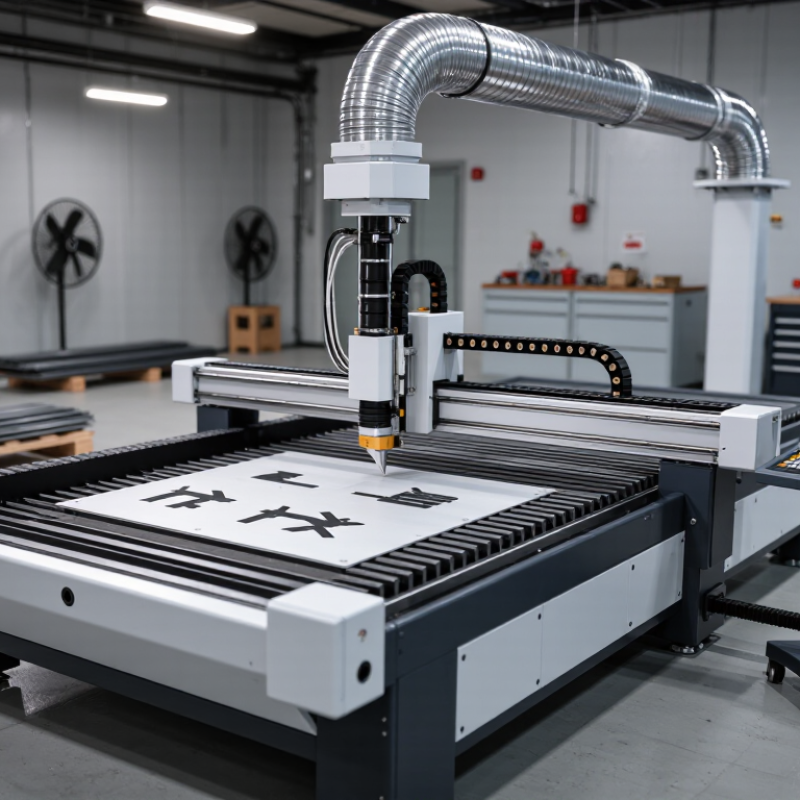
Define Your Cutting Needs and Material Requirements
A small plasma table should match your real work, not an imagined future shop. List the materials you cut most often, such as mild steel, stainless steel, or aluminum. Record their usual thicknesses and largest sheet dimensions. Thin decorative panels need different settings than 20 mm structural plates. Be specific.
Check seven practical points: material type, thickness, sheet size, cutting speed, accuracy, duty cycle, and available power. Confirm the table can handle your thickest routine material without constant strain. Ask whether its cutting area fits your storage space and loading method. A compact table still needs room for cables, ventilation, and safe operator movement.
Review the cutting system’s rated capacity carefully. Advertised maximum thickness may describe a slow separation cut, not a clean production edge. Request test results or run a sample using your own material. Inspect the edge for dross, beveling, and heat distortion. Small details matter. Also check software compatibility, torch height control, consumable costs, and replacement access. A useful cutting table should support your workflow, not create extra manual work.
Be honest about your power supply and extraction setup. An undersized circuit can interrupt jobs and damage confidence in your schedule. I would also leave room for mistakes in the plan. Material thickness varies, drawings change, and operators need practice. Choosing only by price often becomes expensive when accuracy, maintenance, or capacity falls short.
7 Tips for Choosing a Small Plasma Table — Define Your Cutting Needs and Material Requirements
Representative sheet and plate thicknesses commonly used for cutting-plan comparisons. Mild steel, stainless steel, and aluminum require different power levels, consumables, speeds, and air-quality settings, so select a table based on your thickest and most frequently processed material rather than occasional maximum capacity.
Evaluate Plasma Power, Precision, and Cutting Speed
7 Tips for Choosing a Small Plasma Table
Evaluate Plasma Power, Precision, and Cutting Speed
A small plasma table should match the material you cut most often. Check its rated amperage, recommended thickness, and duty cycle. Higher power is not always better. Excess power can increase heat, dross, and operating costs. Measure your usual steel, stainless steel, or aluminum before comparing machines.
Precision depends on more than the torch. Inspect the table’s frame, linear guides, height control, and motion accuracy. A rigid frame helps prevent vibration around corners. Automatic torch height control can maintain a steady gap over uneven sheets. Look for a narrow kerf and consistent hole quality. Ask for sample cuts at different speeds. Real evidence matters.
Cutting speed should fit your production rhythm. Review the rated speed for your actual material thickness, not only the maximum figure. Faster settings may reduce quality when corners become rounded. Slower settings can create extra dross. I once trusted a speed chart too much and ignored a warped sheet. The result was usable, but not clean. Leave room for testing. Compare cut edges, piercing time, noise, and consumable wear. Check whether the control system allows easy speed adjustments. A convenient interface reduces mistakes during busy work. Also consider workspace size, extraction, maintenance access, and electrical requirements. Small does not mean simple.
Check Software, Controls, Safety Features, and Ease of Use
7 Tips for Choosing a Small Plasma Table
Tip 1: Test the software before purchase. It should import common CAD files, create clean toolpaths, and show cutting order clearly. A trial file with holes, corners, and narrow slots reveals more than a sales demonstration.
Tip 2: Check nesting functions. Good nesting reduces sheet waste and limits unnecessary torch movement. The 2024 State of the Industry report from the Fabricators and Manufacturers Association identifies material efficiency as a continuing production priority.
Tip 3: Use physical controls, not software alone. Operators should pause, stop, and restart cutting without searching through menus.
Tip 4: Look for clear status lights and readable fault messages.
Tip 5: Inspect safety features closely. Emergency stops, torch-height protection, guarded moving parts, and reliable grounding deserve hands-on testing. OSHA reports that machine-related hazards continue to cause serious injuries, including amputations, across manufacturing workplaces. Small equipment is not automatically low-risk.
Tip 6: Check ventilation and fume-management options. Plasma cutting can produce smoke, noise, and fine airborne particles. NIOSH recommends controlling exposure at the source through effective local exhaust ventilation.
Tip 7: Judge daily usability. Can a new operator load a plate, set the material, and begin safely? Can experienced staff clean the slats quickly? A compact table may save floor space, yet cramped access can slow maintenance. I would not trust a polished interface immediately. Ask for a real cutting test, record setup time, and note every confusing step.
Assess Maintenance Needs, Expandability, and Overall Value
7 Tips for Choosing a Small Plasma Table
A small plasma table should fit your workspace, workflow, and maintenance habits. Measure the cutting area, control cabinet, and access space before buying. Leave room for cleaning and cable movement. I once underestimated this clearance, and daily servicing became awkward. Check how easily you can replace torch consumables, filters, bearings, and drive components. Simple access saves time.
Dust and metal particles reach almost every moving part. Look for sealed rails, removable trays, and practical access panels. A water table can reduce smoke, but it also needs regular cleaning and water management. Ask how often the manufacturer recommends inspecting belts, grounding points, and electrical connections. Keep service records. Small oversights become expensive later.
Expandability affects long-term value. Confirm whether the table can accept a better torch, additional software features, rotary equipment, or a larger cutting area. Compatibility matters more than impressive promises. Review the warranty, technical documentation, training resources, and replacement-part availability. Calculate consumables, electricity, maintenance labor, and downtime over several years. My first cost estimate ignored downtime, which changed the decision. The cheapest table may not be the best value. Sometimes, paying more for accessible components is the more practical choice.