What Are the Top 10 Types of CNC Plasma Tables?
Choosing the right Cnc Plasma Table can change how quickly, accurately, and safely a workshop completes metal projects. A small fabrication shop may need a compact table for brackets and signs. A production floor may require automated cutting, powerful software, and a larger working area. The best choice depends on material thickness, daily workload, available space, and operator experience.
This guide examines the top 10 types of CNC plasma tables, including entry-level, industrial, portable, water-based, and multi-process designs. Each type offers different strengths. Some deliver clean cuts on thin steel, while others handle thicker plate with greater stability. Practical details matter, such as torch height control, fume extraction, drive systems, software compatibility, and maintenance access. A reliable comparison should consider more than advertised cutting speed.
Real workshop experience often reveals small differences. A poorly positioned control panel can slow production. Weak cable management may create unnecessary repairs. Even an impressive machine can disappoint when technical support is limited. That deserves attention. We will compare these table types through performance, operating cost, safety features, flexibility, and long-term value. The discussion also recognizes that no single model suits every user. Cutting a 3-millimeter steel panel is very different from processing a heavy plate all day. Some recommendations may require a second look after installation, because real results depend on settings, consumables, material quality, and operator training.
Defining CNC Plasma Tables and Their Core Operating Principles
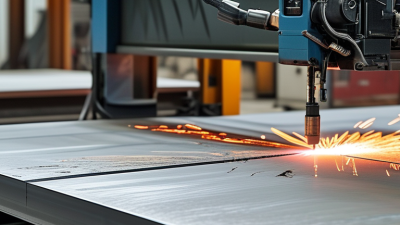
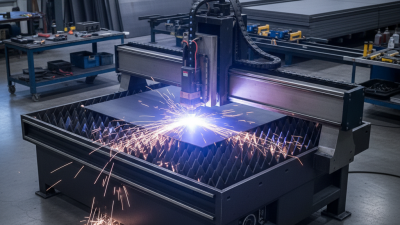
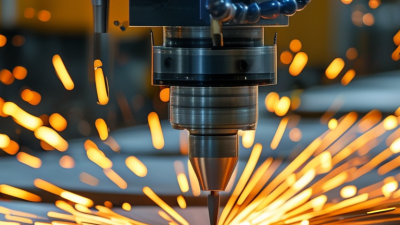
CNC plasma tables are computer-controlled cutting systems that move a plasma torch across a metal sheet. Their core principle is simple: compressed gas passes through a narrow nozzle, while an electric arc turns the gas into extremely hot plasma. The plasma melts conductive metal, and the gas stream removes the molten material. A motion controller follows digital toolpaths, while sensors help maintain torch height above the plate.
That distance matters. Too close can damage the nozzle; too far can weaken the cut.
The ten common types include
entry-level gantry tables, industrial gantry tables, portable tables, water tables, downdraft tables, enclosed tables, multi-torch tables, high-definition tables, rotary-axis tables, and robotic plasma systems.
These categories often overlap. A large gantry table may also use water or downdraft extraction. A rotary attachment can add pipe-cutting ability without changing the main frame.
The table type should match material thickness, workshop space, ventilation needs, and production volume.
In practical use, operators inspect consumables, level the bed, and verify the material profile before cutting. Small details create large errors. Warped plate can change the arc height. Incorrect amperage can leave heavy dross along the lower edge.
Software settings are helpful, but they are not perfect. Real cutting tests still matter, especially when working with unfamiliar steel thicknesses. Reliable results come from controlled air pressure, clean grounding, accurate calibration, and careful observation of the cut face.
Comparing the Top 10 CNC Plasma Table Types
Comparing the top 10 CNC plasma table types starts with the material, workspace, and cutting accuracy required.
Tabletop models suit small workshops and occasional projects. They use less floor space but limit sheet size. Gantry tables handle larger plates and repeated production more comfortably. Water tables reduce smoke, dust, and heat distortion. Their water requires cleaning, though. Downdraft tables capture fumes through a filtered airflow system. They need strong ventilation and regular filter maintenance.
Air plasma tables offer lower operating costs and simple setup. They work well for mild steel, aluminum, and stainless steel. High-definition plasma tables produce narrower kerfs and cleaner edges. They demand better power quality and careful torch-height control. Tube and pipe rotary tables add round-section cutting without manual repositioning. Bevel-capable tables create angled edges for welding preparation. Their software settings can feel difficult for new operators. Robotic plasma cells provide flexible movement around complex shapes. They usually require more programming skill and guarded working space.
Multi-process hybrid tables combine plasma with routing, marking, or drilling functions. They save floor space but may involve more downtime between tools. In practical use, water tables often leave cleaner surroundings than expected, but moisture can affect stored steel. Small tables are easier to learn on, yet buyers may outgrow them quickly. Cutting tests should include pierce quality, corner accuracy, slag, and consumable wear. A reliable comparison also checks service access, software support, electrical requirements, and operator training. Specifications alone can mislead. Real shop conditions matter.
Examining Each Table Type by Design, Function, and Cutting Capacity
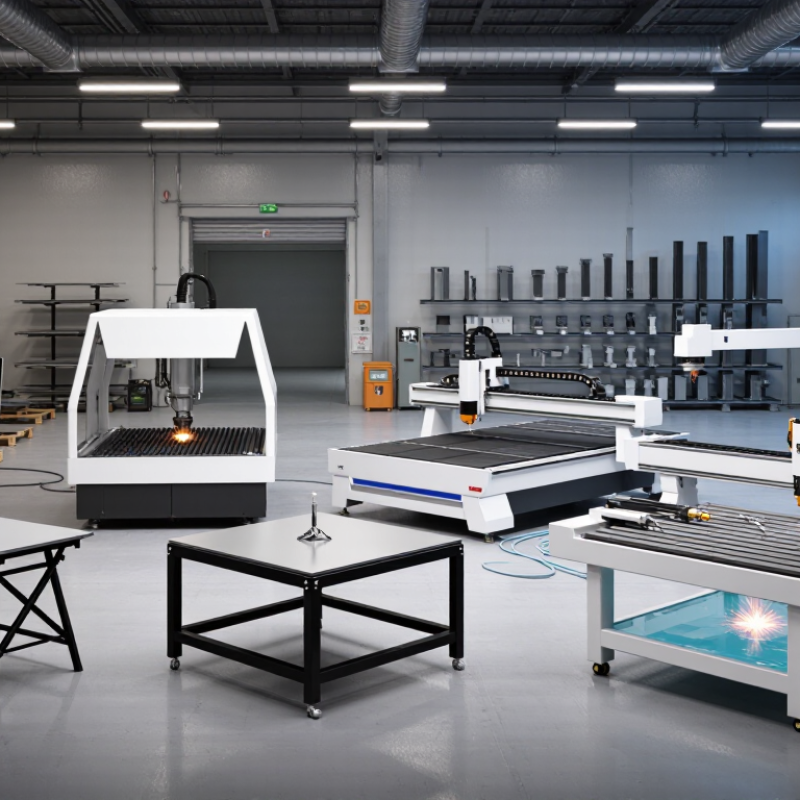
CNC plasma tables differ most in frame design, airflow, motion control, and cutting capacity. The ten practical types are portable gantry, compact benchtop, open gantry, enclosed industrial, downdraft, water-table, high-definition, oxy-fuel combination, bevel-cutting, and pipe-or-tube rotary tables. Portable models suit repair work and thin sheet. Benchtop tables save floor space but limit plate size. Open gantries offer easier loading. Enclosed systems improve fume control and operator protection. Downdraft tables pull smoke below the plate, while water tables cool edges and reduce airborne dust.
High-definition tables use tighter arc control for cleaner holes and smaller kerfs. Oxy-fuel combination tables extend capacity for thick steel, although plasma remains faster on many thinner sections. Bevel-capable designs tilt the torch for welded joints. Rotary systems handle round tube, pipe, and curved profiles.
Cutting capacity depends on more than advertised amperage. Material thickness, pierce height, duty cycle, air quality, and software settings all matter. A 4-by-8-foot table may physically hold a sheet, yet its usable cutting envelope can be smaller.
Market data helps explain this variety.
Grand View Research estimates the global CNC machine market will expand at about 9% annually through 2030, reflecting wider automation adoption. MarketsandMarkets also identifies rising demand for automated cutting and fabrication equipment. These reports describe market direction, not guaranteed shop performance. In practice, a water table may create maintenance work, and a high-definition system may be excessive for occasional mild-steel brackets. My own selection would begin with plate size, daily arc-on time, fume handling, and the smallest hole required. The “best” table is still a moving target.
Matching CNC Plasma Tables to Materials, Industries, and Workloads
Choosing among the top 10 types of CNC plasma tables depends on more than cutting speed. A portable gantry suits repair work and small workshops. An entry-level 2D table handles mild-steel signs and brackets. Industrial 2D systems fit daily plate production. High-definition tables improve edge quality on thinner sheet. Multi-torch tables increase output for repeated parts. Bevel-cutting tables serve structural steel and fabrication. Rotary-axis tables process pipes and square tubing. Robotic plasma cells support complex three-dimensional paths. Water-table designs reduce smoke and heat. Downdraft tables suit enclosed production areas.
Material thickness should guide the decision. Carbon steel, stainless steel, and aluminum react differently to heat, amperage, and cutting speed.
World Steel Association data recorded about 1.89 billion tonnes of crude steel production in 2023, showing the scale of steel processing worldwide.
Yet a small job shop does not need a heavy industrial table. That sounds obvious, but buyers often oversize equipment and lose valuable floor space.
Workload matters just as much. A water table may fit a school or maintenance department, while a downdraft system better supports continuous fabrication.
Deloitte’s 2023 Smart Manufacturing and Operations Survey found that 86% of manufacturers viewed smart manufacturing as important for competitiveness within five years.
CNC connectivity helps, but it cannot fix poor material handling.
I would also question advertised productivity figures. They may exclude piercing, loading, consumables, and operator adjustments.
Test actual parts before committing. Real production is rarely as clean as a brochure suggests.
Evaluating Automation, Precision, Maintenance, and Operating Costs
What Are the Top 10 Types of CNC Plasma Tables?
The ten common types include entry-level 2D tables, gantry tables, high-definition tables, oxy-plasma hybrids, bevel-cutting tables, robotic plasma cells, tube-cutting tables, water tables, downdraft tables, and multi-torch systems. Each design solves a different production problem. A water table can reduce airborne dust and heat distortion. A downdraft table may suit indoor shops with stronger extraction systems. Bevel-capable machines improve joint preparation, but they add setup time and maintenance points.
Automation affects labor more than cutting speed alone. The International Federation of Robotics reported 541,302 industrial robot installations worldwide in 2023. That figure does not measure plasma tables directly, but it shows the wider move toward automated production. Precision should be checked through repeatability tests, not marketing claims. ISO 230-2 provides a recognized method for evaluating machine-tool positioning accuracy. In practice, worn torch parts, unstable air pressure, and poor plate leveling can defeat expensive controls. I have seen simple tables outperform advanced systems when operators maintain them carefully. That is not always expected.
Tips:
Compare consumable usage, extraction power, pierce time, and operator training. The U.S. Department of Energy notes that compressed-air leaks can waste 20–30% of compressor output. Check air lines weekly. Calculate downtime, not only purchase price. A lower-cost table may become expensive after repeated alignment problems. My own assessment would remain cautious without cut samples, maintenance records, and measured operating costs.