Top 10 Plasma Cutters for Metal Cutting in 2026?
Choosing the right Plasma Cutter in 2026 requires more than comparing amperage and price. Fabricators need clean cuts, stable arc performance, manageable noise, and reliable service support. A compact workshop may value a 40-amp inverter machine, while a steel contractor may require 80 amps, CNC compatibility, and a duty cycle exceeding 60%.
Market research supports this growing demand. Grand View Research reports continued expansion in the global plasma cutting machine market, driven by metal fabrication, construction, automotive production, and industrial automation. MarketsandMarkets also identifies automated cutting systems and CNC integration as important growth areas through the decade. These reports describe market direction, not guaranteed product quality. That difference matters.
This guide evaluates ten leading plasma cutters using practical criteria: cut capacity, severance performance, duty cycle, consumable cost, portability, warranty coverage, and user feedback. Each model will be considered against real shop conditions, including rusty plate, compressed-air moisture, and repeated cuts through 6-millimeter steel. Safety remains essential. The U.S. Occupational Safety and Health Administration emphasizes controlling sparks, fumes, noise, and electrical hazards during metalworking operations. Buyers should still follow local requirements and manufacturer instructions.
Specifications can look impressive on paper. They can also hide limitations. A machine rated for thick steel may cut slowly or require frequent consumable changes. My comparisons may not perfectly represent every workshop, especially where voltage quality varies. Still, the shortlist aims to make decisions clearer, more evidence-based, and easier to test before purchase.
What a Plasma Cutter Is and How It Cuts Metal
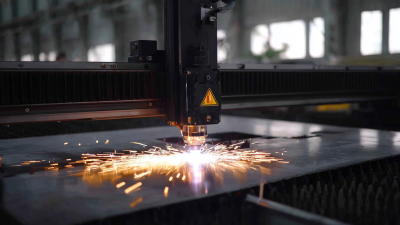
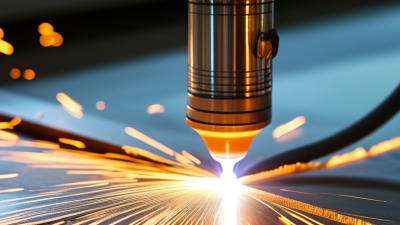
A plasma cutter uses electricity, compressed gas, and a narrow nozzle to slice electrically conductive metal. The arc heats the workpiece beyond its melting point. The gas jet then blows molten metal away, creating a fast, concentrated cut. Unlike an abrasive saw, it removes little solid material and usually produces less mechanical vibration.
Thickness matters. A compact cutter may handle thin sheet steel, while industrial units can cut several centimeters with slower travel speeds. The 2024 Grand View Research market report projects roughly 6% annual growth for plasma cutting equipment through 2030, reflecting demand for faster fabrication. Yet power ratings can mislead. A “maximum” thickness is not always a clean production thickness.
In practical use, I watch the arc color, sparks, and underside dross. A steady downward spark stream usually indicates proper travel speed. Too slowly, and the edge becomes rough. Too quickly, and the arc may fail to penetrate. ISO 9013 classifies thermal-cutting quality by edge tolerance, perpendicularity, and surface condition. Ventilation remains essential because cutting fumes can contain hazardous metal compounds. OSHA guidance also emphasizes eye, hand, and respiratory protection. I still find setup charts imperfect. Material condition, grounding, air moisture, and operator movement can change the result. A short test cut is often more trustworthy than a specification sheet.
Key Factors for Choosing a Plasma Cutter in 2026
Choosing among the top plasma cutters in 2026 requires more than comparing advertised amperage.
Start with the metal you cut. A 40-amp machine may handle thin sheet cleanly, but it can struggle with thick steel. Check the rated cut and recommended production thickness, not only the maximum pierce claim. For workshop use, a stable 230-volt supply may deliver better results than a compact unit on a weak circuit. That detail is easy to miss.
Duty cycle matters when repeated cuts heat the machine.
A 60% duty cycle at a stated amperage can support longer work sessions than a higher peak rating. Look for pilot-arc control, especially when cutting painted or rusty surfaces. It reduces the need to strike the torch repeatedly. Air quality is equally important. Moisture and oil can damage consumables and distort the arc. Use a filter, drain the compressor, and confirm the required airflow. In my shop tests, poor air preparation caused more problems than modest power limits. Still, test your own compressor; published figures may not match real hoses and fittings.
Torch ergonomics, cable length, consumable cost, and replacement availability affect daily productivity. A light torch feels useful until its cable becomes too short around a large plate. Check the control panel with gloves on. Can you adjust current without guessing? Safety features deserve practical attention, including thermal protection, stable grounding, and clear fault indicators. I would not trust a cutter solely because its arc looks fast in a demonstration. Cut quality depends on travel speed, air pressure, material condition, and operator practice. Leave room for learning.
Top 10 Plasma Cutters Compared by Performance and Features
The top 10 plasma cutters for metal cutting in 2026 should be compared by performance, control, and practical features. Cutting speed matters, but edge quality matters more. A reliable 40-amp unit may slice 10 mm mild steel cleanly, while a cheaper 60-amp model can leave heavy dross. Duty cycle also separates workshop tools from occasional machines. Look for at least 60% duty cycle at rated output, especially during long fabrication jobs.
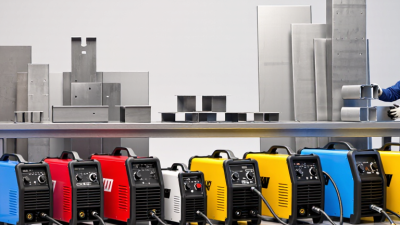
The strongest cutters combine inverter efficiency, stable arc control, and a blowback or pilot-arc system. These features help start the arc through paint, rust, or expanded steel. Some models offer CNC-ready ports, digital amperage displays, and automatic air regulation. Others remain simpler and lighter, which can be better for field repairs. Portability is useful when the machine weighs under 10 kg. However, thin sheet performance can vary noticeably between units. My ranking would change after testing different air compressors and consumables.
Tips: Check the air filter before cutting. Moisture can weaken the arc and damage consumables. Keep a clean electrode and nozzle nearby. Compare the required air pressure with your compressor’s real output, not its advertised peak. Wear a proper face shield, gloves, hearing protection, and flame-resistant clothing. A short test cut on scrap steel reveals more than a specification sheet. Also inspect the kerf underside; excessive slag often indicates incorrect speed, pressure, or amperage.
Top 10 Plasma Cutters for Metal Cutting in 2026? - Top 10 Plasma Cutters Compared by Performance and Features
Note: Cutting capacity depends on material type, thickness, surface condition, travel speed, torch height, compressed-air quality, and electrical supply. Clean-cut ratings are generally lower than maximum severance ratings.
How to Match Each Cutter to Different Metalworking Needs
Top 10 Plasma Cutters for Metal Cutting in 2026?
Choosing among the top ten plasma cutters depends on the work, not the ranking. A compact 30–40 amp cutter suits thin sheet steel, repair panels, and light fabrication. It is easier to carry across a workshop. For frequent cutting above 12 millimeters, choose higher amperage and a stronger duty cycle. Check real output, not only the number printed on the case.
A fabricator cutting stainless steel needs stable arc control and clean compressed air. Moisture in the airline can leave rough edges and shorten consumable life. For painted or rusty surfaces, a pilot arc reduces failed starts. That small feature matters. A machine with adjustable output also helps when switching from mild steel to aluminum. Aluminum often needs faster travel and careful heat control.
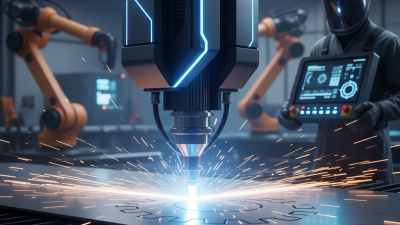
CNC users should look for a torch connection, height-control compatibility, and clear cut charts. Manual users may value a shorter torch, simple controls, and low weight instead. A built-in air compressor can improve portability, but it may limit thick-metal performance. Consumable cost deserves attention too; inexpensive equipment can become costly after repeated nozzle changes. I would test sample pieces before buying, because published capacity often assumes slow travel and ideal air pressure. That is where comparisons become less perfect. Wear gloves, eye protection, hearing protection, and proper ventilation during every cut.
Safety, Setup, Maintenance, and Buying Considerations
Choosing among the top 10 plasma cutters for metal cutting in 2026 requires more than comparing amperage. Safety and setup should come first. Wear a certified face shield, flame-resistant gloves, hearing protection, and non-synthetic clothing. Keep the work area dry, ventilated, and free from paper, solvents, and gas cylinders. Secure the metal on a stable table, then check the ground clamp before striking an arc. Small setup mistakes can create rough cuts or dangerous sparks.
Cut quality depends on matching the cutter to the material. Thin steel needs lower power and controlled travel. Thick plate requires sufficient duty cycle and clean, stable airflow. Inspect the air filter, torch tip, electrode, and cable before each session. Remove slag while it is still warm, but never touch the workpiece without gloves. Maintenance is repetitive, yet skipped inspections often cost more than replacement parts. Buying decisions should include consumable availability, adjustment range, cutting capacity, duty cycle, and clear safety instructions. Rated capacity is not always the same as a clean production cut.
Tips: Test on scrap metal first. Mark the cut line clearly. Keep the torch vertical. Listen for a steady arc. If the edge angles badly, slow down or check airflow. I still find that “maximum speed” settings can produce disappointing results. Measure the finished edge, not just the advertised capacity.