
Top 10 Plasma Table Manufacturers for Global Buyers?
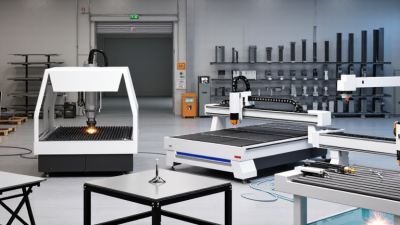
A Plasma Table can look simple on a product page: a steel bed, a torch, and a controller. In a working shop, the details decide whether it earns its floor space. A 4-by-8-foot sheet, for example, tests cutting capacity, material handling, and the machine’s ability to keep a steady path. Torch-height control, motion accuracy, software, and local service can matter just as much as advertised speed. Small differences add up.
Plasma-cutting specialist Jim Colt’s published technical guidance can be paraphrased as a practical rule: choose the system around the work, not the brochure. That is not a universal formula. A job shop cutting thin brackets has different needs from a fabricator processing thick plate every day. Buyers should compare the manufacturers’ stated specifications, warranty terms, support access, and demonstrated results on similar materials. Ask for a sample cut. Look closely at the edge, dross, and hole quality. Details matter.
This guide to the Top 10 Plasma Table Manufacturers for Global Buyers is intended as a starting point, not a final verdict. “Top” depends on workload, budget, region, and service expectations. A low purchase price may leave important costs unclear; a premium machine may be more than a small shop needs. I would also question any list that ranks brands without explaining its criteria. The comparisons ahead focus on practical buying factors, while recognizing that specifications and support can vary by model and location. A careful shortlist beats a rushed purchase.
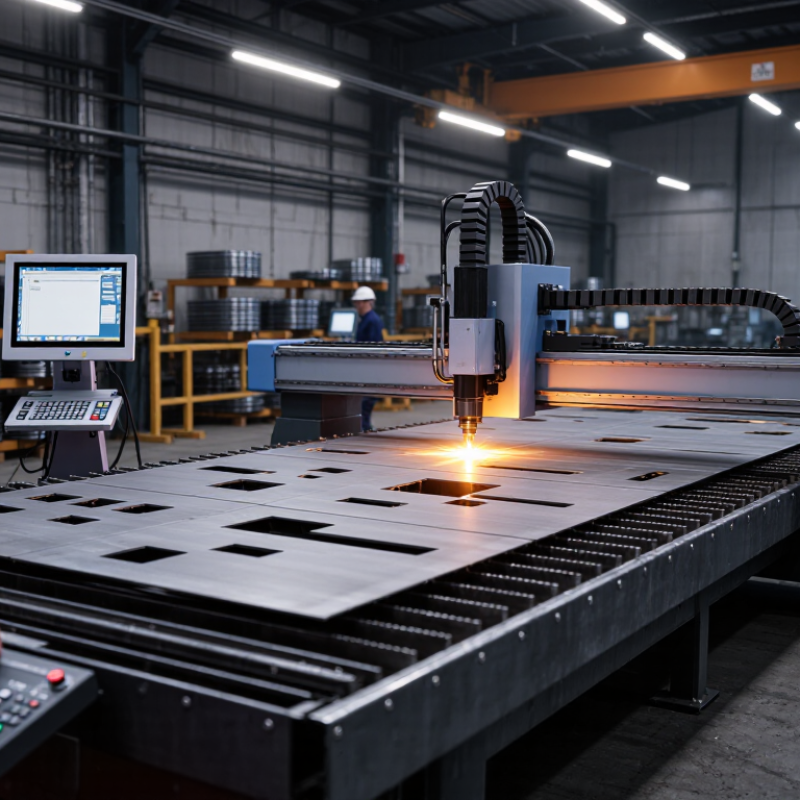
Plasma Table Fundamentals: Arc Temperatures Can Reach About 20,000°C
A plasma arc can reach about 20,000°C, but that figure describes an intensely hot, concentrated arc—not the temperature of the whole workpiece. Actual cutting results depend on current, plasma gas, material type, thickness, and torch movement. The metal beneath the torch heats rapidly, melts, and is expelled by the gas jet. Nearby areas receive less heat, though they may still show discoloration or a hardened edge. That is extremely hot.
For global buyers comparing plasma tables, arc temperature alone tells little about cut quality. Ask for test cuts on your own material and thickness, and review edge squareness, dross, and repeatability. Torch height control matters: too much distance can weaken the cut, while too little risks contact. Cutting speed and consumable condition matter, too. A useful supplier should explain these limits and provide practical setup guidance, not just quote a maximum amperage. Check whether the machine records settings consistently and whether replacement consumables are easy to source. Even a controlled test can be imperfect; record the settings and inspect several cuts before drawing conclusions.
Top 10 Plasma Table Manufacturers for Global Buyers? - Plasma Table Fundamentals: Arc Temperatures Can Reach About 20,000°C
Global buyer evaluation checklist: This table compares practical factors to verify when assessing plasma table manufacturers. Plasma arc temperatures can reach about 20,000°C, but actual operating conditions vary with the process and equipment.
| No. | Evaluation Dimension | What to Verify | Why It Matters |
|---|---|---|---|
| 1 | Cutting Area | Confirm the usable table width and length, and whether the machine can accommodate the buyer’s typical sheet sizes. | Adequate working area supports the intended parts and sheet layout while reducing unnecessary repositioning. |
| 2 | Power Source and Torch | Check the supported plasma power source, torch compatibility, rated output, and recommended consumables. | Cutting capability depends on the matched power source, torch, material, thickness, and operating settings—not on arc temperature alone. |
| 3 | Material and Thickness Range | Request cutting charts for the specific materials and thicknesses required, including recommended cut speeds and edge-quality conditions. | Published performance should be checked against the buyer’s production requirements; maximum severance and recommended production capacity are not the same. |
| 4 | Motion System | Review the drive system, rails, gantry construction, motion specifications, and maintenance requirements. | Stable, well-maintained motion helps the torch follow programmed paths consistently. |
| 5 | CNC and File Support | Confirm the control interface, supported job-file formats, nesting workflow, and operator training options. | Compatible software and controls can simplify job preparation and reduce setup friction. |
| 6 | Torch Height Control | Ask whether automatic torch height control is included and how the system handles initial height sensing and arc-voltage control. | Maintaining suitable torch-to-work distance helps support consistent cutting and consumable life. |
| 7 | Fume and Dust Management | Determine whether the table uses water, downdraft extraction, or another fume-control arrangement, and what site equipment is required. | Plasma cutting creates fumes and particulates; an appropriate control system and safe work practices are important. |
| 8 | Electrical and Air Requirements | Obtain the required supply voltage, phase, current, compressed-air quality and pressure, and any facility preparation details. | Confirming utilities before purchase helps avoid installation delays and supports reliable operation. |
| 9 | Safety Features | Review guarding, emergency stops, electrical protections, operator instructions, and applicable local safety requirements. | The plasma arc, hot workpieces, fumes, electrical equipment, and intense light require appropriate safeguards. |
| 10 | Service and Ownership Support | Clarify warranty terms, spare-parts availability, technical support hours, training, maintenance guidance, and delivery responsibilities. | Support and parts access affect uptime, especially for buyers operating far from the equipment supplier. |
Related Posts
-
China Top 10 Plasma Table Manufacturers for Global Buyers
-

How to Choose the Right Plasma Table for Your Business Needs
-
What Is the Best Plasma Cutting Table in 2026?
-

Understanding the Advantages of the Best CNC Plasma Table for Your Manufacturing Needs
-
How to Choose the Best CNC Plasma Cutting Table for Your Needs?
-
What Are the Top 10 Types of CNC Plasma Tables?